Most UK homeowners assume that electricity supplied to their home is clean and stable. While the grid delivers high-quality power, the increasing number of electronic appliances inside homes is quietly degrading power quality through a phenomenon known as harmonic distortion.
This issue is rarely discussed but has real consequences for wiring, appliances, and electrical safety.
What Is Harmonic Distortion?
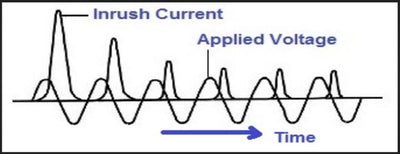
In an ideal electrical system, current flows in a smooth sine wave. Harmonic distortion occurs when appliances draw current in irregular pulses rather than smoothly. These pulses create additional frequencies, known as harmonics, which distort the electrical waveform.
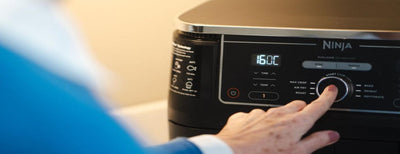
Modern appliances commonly responsible include:
- LED lighting drivers
- Phone and laptop chargers
- TVs and entertainment systems
- Washing machines with inverter motors
- Induction-based electronics
Why Harmonics Are Increasing in UK Homes
Older appliances with resistive loads drew power evenly. Modern appliances use electronic power supplies that rapidly switch current on and off. While efficient, these devices introduce harmonics into the electrical system.
UK homes today may contain dozens of such devices operating simultaneously.
Effects on Domestic Wiring
Harmonic distortion increases current flow in neutral conductors. In some cases, the neutral current can exceed the current in live conductors, causing:
- Overheating of cables
- Premature insulation degradation
- Increased fire risk
This is especially concerning in older UK homes where wiring was not designed for such conditions.
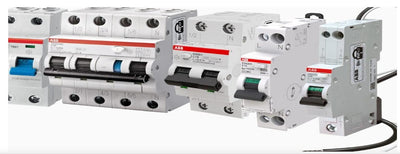
Impact on Consumer Units and Protection Devices
Harmonics can cause:
- Nuisance tripping of RCDs
- Overheating of MCBs
- Reduced lifespan of protective devices
Sensitive electronic components inside modern consumer units are particularly affected by distorted waveforms.
Appliance Performance and Reliability
Harmonic distortion can also impact appliance performance by:
- Causing overheating in motors
- Interfering with electronic control boards
- Reducing efficiency of power supplies
Over time, this leads to higher maintenance costs and earlier appliance failure.
Identifying Harmonic Problems
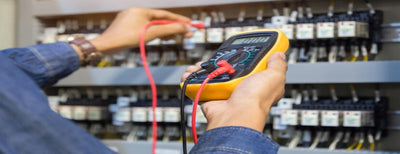
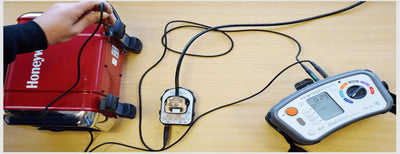
Qualified electricians use power quality analysers to measure harmonic levels. Signs of harmonic issues in UK homes include:
- Warm consumer units
- Frequent breaker tripping
- Flickering LED lights
- Buzzing noises from electrical panels
These symptoms should never be ignored.
Reducing Harmonic Distortion
Mitigation methods include:
- Using high-quality appliances with power factor correction
- Upgrading consumer units
- Proper circuit balancing
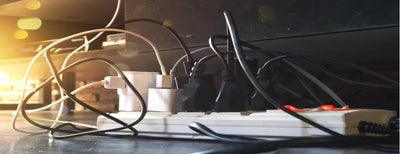
- Avoiding overloaded extension leads
In severe cases, harmonic filters may be recommended.
Future Implications for UK Homes
As UK homes move toward all-electric living, harmonic distortion will become more significant. Awareness and proper electrical design will be essential to maintain safety and reliability.
Conclusion
Harmonic distortion is an invisible but growing issue in UK homes. Understanding how modern appliances affect power quality allows homeowners and electricians to take preventive steps, ensuring safer and more reliable electrical systems.