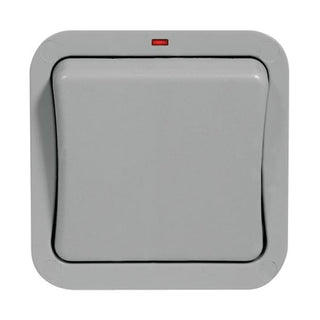
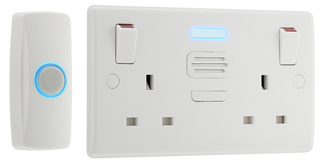
Ingress Protection (IP) ratings are an important consideration when selecting socket outlets for different environments in the UK. Not all sockets are suitable for all locations, especially where moisture, dust, or external conditions are present.
IP rating requirements are defined under electrical standards issued by BSI.
What Is an IP Rating?
An IP rating indicates the level of protection a device provides against:
- Solid objects (such as dust)
- Liquids (such as water)
The rating is shown as two digits, for example IP44 or IP66.
- The first digit represents protection against solids
- The second digit represents protection against liquids
Higher numbers indicate greater protection.
Common IP Ratings for Socket Outlets
Different environments require different levels of protection.
IP20
Standard indoor sockets used in dry environments such as living rooms and bedrooms.
IP44
Protected against splashing water. Suitable for bathrooms and sheltered outdoor areas.
IP55
Offers better protection against water jets and dust. Used in garages and workshops.
IP66
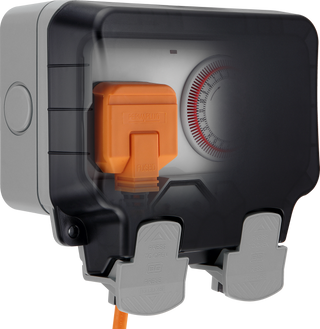
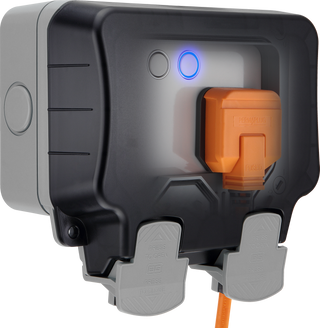
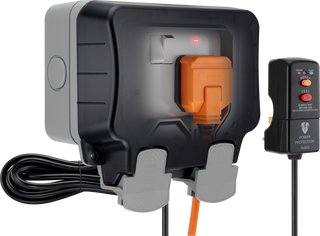
Provides high-level protection against dust and strong water exposure. Suitable for outdoor and industrial environments.
Applications in UK Installations
Choosing the correct IP rating is essential for safety.
Bathrooms
Sockets must be installed outside restricted zones or use appropriate IP-rated designs to prevent water exposure.
Outdoor Areas
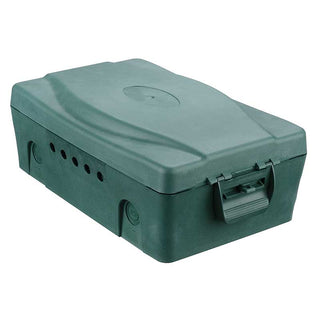
Garden sockets, outdoor lighting connections, and power outlets require IP-rated enclosures to prevent water ingress.
Industrial and Commercial Areas
Workshops and factories may require higher IP ratings due to dust and harsh conditions.
Risks of Incorrect IP Selection
Using a standard indoor socket in a damp or outdoor environment can lead to:
- Water entering the socket
- Short circuits
- Electric shock hazards
- Damage to connected appliances
Proper IP-rated sockets prevent these risks by sealing internal components.
Installation Considerations
When installing IP-rated outlets, electricians must ensure:
- Proper sealing of cable entry points
- Correct mounting of protective covers
- Secure fixing to prevent movement
- Compatibility with the environment
Even a high IP-rated socket can fail if not installed correctly.
Maintenance and Inspection
Over time, seals and covers may wear out. Regular inspection is necessary to ensure that:
- Covers close properly
- Seals are intact
- No cracks are present
Damaged enclosures should be replaced immediately.
Conclusion
IP ratings play a vital role in selecting the right socket outlet for different environments in the UK. By choosing the correct level of protection and ensuring proper installation, electricians can maintain safety and durability in electrical systems.
Understanding IP ratings helps prevent electrical hazards and ensures reliable operation of sockets in both indoor and outdoor settings.