The consumer unit, often referred to as the fuse box, is one of the most important components of a UK home’s electrical system. Although it is rarely noticed in daily life, it plays a central role in ensuring safety and proper power distribution.
What Is a Consumer Unit?
A consumer unit distributes electricity from the main supply to different circuits in the home. Each circuit powers specific areas or appliances, such as lighting, kitchen sockets, or heating systems.
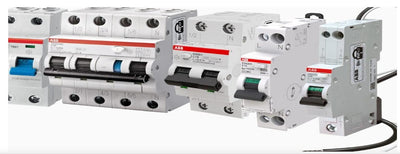
Modern consumer units include protective devices such as circuit breakers and RCDs, which automatically cut power if a fault is detected.
Difference Between Old and Modern Units
Older fuse boxes relied on traditional fuse wires that needed replacement after a fault. Modern consumer units use Miniature Circuit Breakers (MCBs), which can simply be reset after tripping.
Newer units also include RCD protection for improved safety, reducing the risk of electric shock and fire hazards.
Why Upgrading May Be Necessary
Homes built decades ago may still use outdated fuse boxes. Upgrading to a modern consumer unit improves safety and ensures compliance with current UK electrical regulations.
Signs that an upgrade may be needed include:
- Frequent tripping
- Burning smells near the unit
- No RCD protection
- Old-style rewireable fuses
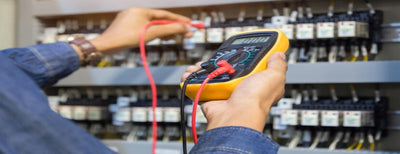
A qualified electrician should always handle inspection and replacement.
Importance for Appliance Safety
All electrical appliances rely on the consumer unit for safe operation. If the system is outdated or overloaded, even high-quality appliances can become unsafe.
A properly functioning consumer unit ensures stable power distribution and protection against electrical faults.
Conclusion
The consumer unit is the central control point of a UK home’s electrical system. Regular inspection and upgrading when necessary provide better safety, improved reliability, and peace of mind for homeowners.