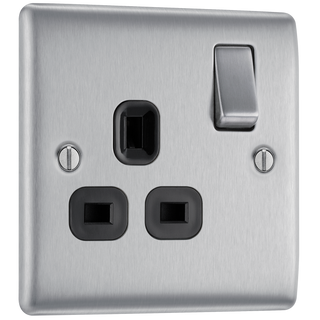
Smart Electrical Outlets in UK Homes: Technology, Energy Control and Installation Considerations

Smart electrical outlets are becoming a popular addition to modern UK homes. These outlets allow users to control connected appliances remotely using smartphones, voice assistants, or home automation systems. As smart home technology continues to expand, smart sockets are playing an important role in improving convenience and energy efficiency.

Like standard outlets, smart sockets must comply with UK electrical standards established by BSI.

What Are Smart Electrical Outlets?

A smart electrical outlet is a socket that includes built-in communication technology. This allows the outlet to connect to a home Wi-Fi network or smart home hub.

Once connected, users can control the outlet through a mobile application or voice commands. The outlet can switch power on or off automatically based on schedules or remote instructions.

Key Features of Smart Outlets

Modern smart outlets offer several advanced features:

  • Remote control using smartphone apps
  • Scheduled power on/off times
  • Energy monitoring and usage tracking
  • Voice assistant integration
  • Automation with other smart devices

These features allow homeowners to manage appliances more efficiently.

Energy Management Benefits

One of the biggest advantages of smart outlets is improved energy control. Many appliances consume electricity even when not actively in use. This is known as standby power consumption.

Smart outlets allow users to completely switch off appliances when they are not needed. For example, televisions, chargers, and entertainment systems can be turned off remotely.

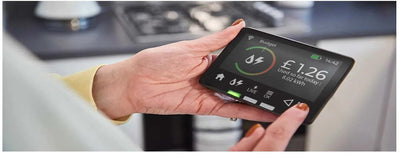
Some smart outlets also provide real-time energy monitoring, helping homeowners understand how much electricity specific appliances consume.

Installation Requirements

Smart outlets are installed similarly to standard wall sockets but include additional electronic components. Electricians must ensure that:

  • The back box has enough depth for the smart outlet module
  • The circuit is properly earthed
  • The socket is compatible with the home's wireless network

Some smart sockets also require configuration through a mobile app during setup.

Applications in Modern Homes

Smart outlets are commonly used in areas such as:

  • Living rooms for entertainment systems
  • Bedrooms for bedside lamp control
  • Home offices for computer equipment
  • Kitchens for timed appliance operation

They are particularly useful for automation routines, such as turning lights or appliances on and off at specific times.

Safety Considerations

Although smart outlets provide additional convenience, they must still meet electrical safety standards. Users should choose certified products designed specifically for UK sockets.

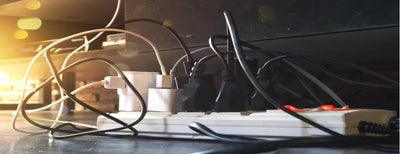
Overloading should also be avoided, as smart outlets still follow the same current limits as standard outlets.

Conclusion

Smart electrical outlets combine traditional socket functionality with modern digital control. They allow homeowners to manage appliances remotely, reduce energy waste, and integrate electrical systems into smart home environments.

As home automation continues to grow, smart outlets are likely to become a standard feature in many UK residential electrical installations.
Previous articleUSB Electrical Outlets in UK Homes: Design, Load Considerations and Installation All articles Next articleFloor Socket Outlets in the UK: Applications, Installation and Safety Considerations

RELATED ARTICLES

BG 3-pole fan isolator switch
Do you need a fan isolator switch? 3-pole isolators explained

Why timer and overrun extractor fans need a 3-pole fan isolator switch, where to fit it, and how to choose one.

BG 45A cooker switch
Which cooker switch do I need? 45A cooker switches explained (UK)

45A vs 32A, single vs double pole, with or without a socket, and where a UK cooker switch should go under BS 7671.

Power Factor in Household Appliances
Power Factor in Household Appliances: Why It Matters in UK Electrical Systems

Most discussions around electrical appliances focus on power consumption in watts, but another important factor often ignored in domestic settings is power factor. While...

Voltage Drop in UK Electrical Circuits
Voltage Drop in UK Electrical Circuits: Impact on Appliances and How to Manage It

Voltage drop is an important factor in electrical installations, especially in UK homes where multiple appliances operate across different circuits. If not properly managed,...

What Are the Types of USB Socket
What Are the Types of USB Socket? A Complete Guide for UK Homes

USB charging has become a standard part of everyday life. From smartphones and tablets to smart devices, most modern electronics rely on USB power....

IP Ratings for Socket Outlets in the UK
IP Ratings for Socket Outlets in the UK: Understanding Protection Levels and Applications

Ingress Protection (IP) ratings are an important consideration when selecting socket outlets for different environments in the UK. Not all sockets are suitable for...

Socket Outlet Polarity in the UK
Socket Outlet Polarity in the UK: Importance, Testing and Fault Risks

Correct polarity is a fundamental requirement in UK electrical installations, especially for socket outlets. Even if a socket appears to function normally, incorrect polarity...

Socket Outlet Back Boxes in the UK
Socket Outlet Back Boxes in the UK: Types, Depth Requirements and Installation Standards

Quick answer: The back box depth you need depends on the accessory: 25mm suits most flush light switches and single sockets, 35mm gives extra...

Floor Socket Outlets in the UK
Floor Socket Outlets in the UK: Applications, Installation and Safety Considerations

Floor socket outlets are a specialised type of electrical outlet installed directly into the floor rather than on walls. They are increasingly used in...

USB Electrical Outlets in UK Homes
USB Electrical Outlets in UK Homes: Design, Load Considerations and Installation

As modern homes rely more on mobile devices, USB socket outlets have become increasingly popular in the UK. These outlets combine traditional plug sockets...

Residual Current Devices in UK Appliances Circuits
Residual Current Devices (RCDs) in UK Appliances Circuits: Why They Are Essential for Electrical Safety

Electrical safety is a major concern in modern UK homes and workplaces. With the increasing use of electric appliances such as washing machines, kettles,...

Portable Appliance Testing (PAT) in the UK
Portable Appliance Testing (PAT) in the UK: Technical Procedure and Compliance Requirements

Portable Appliance Testing (PAT) is a critical safety process for electrical appliances used in workplaces, rental properties, schools and construction sites across the UK....

Inrush Current in UK Electric Appliances and Power Tools
Inrush Current in UK Electric Appliances and Power Tools: Circuit Design and Protection Essentials

Inrush current is an important but often overlooked factor in UK electrical installations. Many electric appliances and professional power tools draw a short but...
Earthing System Types in the UK
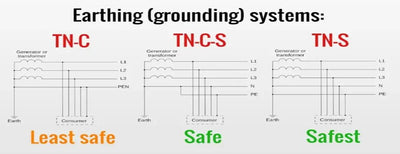
Earthing System Types in the UK: TN-S, TN-C-S and TT System Design Considerations

Understanding earthing arrangements is critical for safe and compliant installations. In the UK, the primary earthing systems are TN-S, TN-C-S (PME), and TT systems....

Smart Meters in UK Homes
Smart Meters in UK Homes: How They Help You Monitor Electricity Usage

Smart meters have become increasingly common across the UK. Many energy suppliers now install them as standard, helping households better understand how much electricity...

Understanding Consumer Units in UK Homes
Understanding Consumer Units in UK Homes: The Heart of Your Electrical System

The consumer unit, often referred to as the fuse box, is one of the most important components of a UK home’s electrical system. Although...

Shop products from this guide