Portable Appliance Testing (PAT) is a critical safety process for electrical appliances used in workplaces, rental properties, schools and construction sites across the UK. While often viewed as routine, PAT testing involves technical understanding of appliance classes, insulation systems and earth continuity requirements.
Although PAT itself is not a law, compliance falls under the Electricity at Work Regulations 1989. Testing procedures are guided by IET recommendations under standards published by BSI.
What Is a Portable Appliance?
A portable appliance is any electrical device that can be moved and connected to the supply via a plug and flexible cable. Examples include:
- Kettles and microwaves
- Desktop computers
- Extension leads
- Power drills and grinders
- Vacuum cleaners
These appliances are more vulnerable to damage due to movement and handling.
Appliance Classes and Protection Types
Understanding appliance classification is essential before testing.
Class I Appliances
These rely on basic insulation plus an earth connection. The earth conductor ensures that exposed metal parts remain safe under fault conditions.
Examples include washing machines, refrigerators and metal-cased tools.
Class II Appliances
These use double or reinforced insulation and do not require an earth connection. They are usually marked with a double square symbol.
Examples include many power tools and phone chargers.
Core PAT Test Procedures
PAT testing includes both visual inspection and electrical testing.
1. Visual Inspection
This is the most important stage. Electricians check for:
- Damaged cables
- Cracked plugs
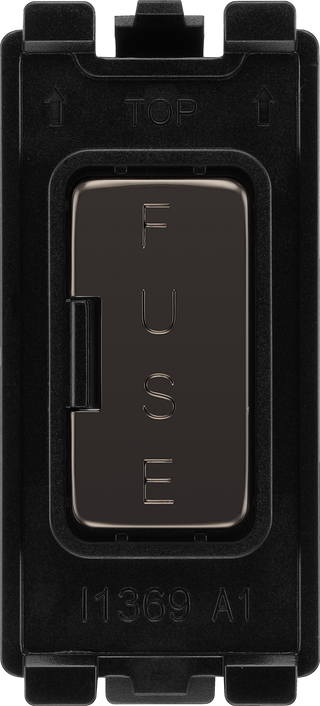
- Incorrect fuse ratings
- Signs of overheating
Many faults are identified during visual checks alone.
2. Earth Continuity Test (Class I Only)
Ensures the earth conductor has low resistance between the plug earth pin and exposed metal parts.
3. Insulation Resistance Test
Measures insulation quality between live conductors and earth. Low resistance indicates potential insulation breakdown.
4. Polarity Check
Verifies correct wiring of live, neutral and earth within the plug.
Testing Frequency
Testing intervals depend on environment and usage:
- Construction sites: More frequent testing
- Offices: Lower frequency
- Rental properties: Based on risk assessment
There is no fixed legal timeframe. Risk-based assessment is key.
Documentation and Labelling
Each appliance should have:
- Test result record
- Pass or fail label
- Next inspection date
Accurate documentation supports compliance and liability protection.
Common Issues Found During PAT
- Incorrect fuse size in UK plugs
- Broken earth conductors
- Flex damage near strain relief
- Internal loose connections in tools
These faults can lead to electric shock or fire if not detected.
Conclusion
PAT testing is more than attaching a sticker. It requires technical knowledge of appliance construction, insulation systems and protective measures. When performed correctly, it significantly reduces electrical risk in workplaces and commercial settings.