Understanding earthing arrangements is critical for safe and compliant installations. In the UK, the primary earthing systems are TN-S, TN-C-S (PME), and TT systems. Each has distinct characteristics affecting fault protection and design strategy.
These systems are defined under BS 7671 standards governed by BSI.
TN-S System
In a TN-S system:
- The supply neutral and protective conductor are separate throughout
- The earth is typically provided via the cable sheath
Advantages include stable earth paths and low impedance fault loops.
However, older TN-S systems may suffer from corrosion of the earth sheath, increasing impedance and affecting fault clearance times.
TN-C-S (PME) System
TN-C-S, commonly known as Protective Multiple Earthing (PME), is widely used in modern UK installations.
Key features:
- Combined neutral and earth (PEN conductor) in part of the supply
- Separated into neutral and earth at the service head
TN-C-S systems usually provide low earth loop impedance, ensuring rapid disconnection during faults.
However, special consideration is required for:
- Outdoor installations
- EV charging points
- Caravan supplies
Loss of the PEN conductor can create dangerous touch voltages, so additional protective measures may be required.
TT System
In a TT system:
- The installation has its own earth electrode
- The supply provides only line and neutral
Earth fault loop impedance is typically higher in TT systems. Therefore, RCD protection is essential to achieve required disconnection times.
TT systems are common in rural or agricultural areas where PME is not available.
Design Implications
Each system affects:
- Zs calculations
- RCD selection
- Protective device coordination
- Electrode resistance requirements
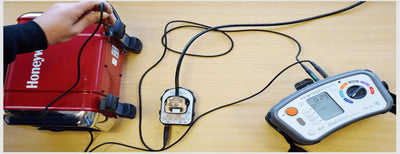
For TT systems, electrode resistance must be low enough to allow effective RCD operation, typically verified using earth resistance testing.
Special Installations
Particular care is required in locations such as:
- Agricultural buildings
- Construction sites
- Marina installations
Environmental factors can significantly influence earthing effectiveness and safety.
Conclusion
Selecting and understanding the earthing system is fundamental to electrical design in the UK. Each arrangement has specific protective requirements and limitations. Proper testing, calculation, and regulatory compliance ensure safe and reliable installations.