Electrical safety is a major concern in modern UK homes and workplaces. With the increasing use of electric appliances such as washing machines, kettles, power tools, and smart devices, the risk of electric shock or electrical faults can increase if proper protection is not installed. One of the most important protective devices used in UK electrical installations is the Residual Current Device (RCD).
RCDs are designed to quickly disconnect the power supply if a fault occurs that could lead to electric shock or fire. They play a key role in protecting circuits that supply everyday appliances.
What Is an RCD?
A Residual Current Device constantly monitors the current flowing through the live and neutral conductors. Under normal conditions, the current entering the circuit through the live wire should be equal to the current returning through the neutral wire.
If a fault occurs, such as current leaking through a person or damaged insulation, the balance between live and neutral changes. The RCD detects this imbalance and immediately disconnects the power supply.
In most domestic installations, an RCD will trip when it detects a leakage current of around 30 milliamps, which is enough to prevent serious electric shock.
RCD requirements in the UK are defined under electrical regulations published by BSI.
Where RCDs Are Used in UK Homes
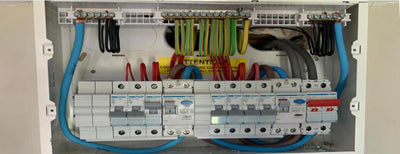
RCD protection is commonly found in modern consumer units. Circuits supplying appliances in certain locations must have RCD protection, especially where there is a higher risk of electric shock.
Common examples include:
- Kitchen appliance circuits
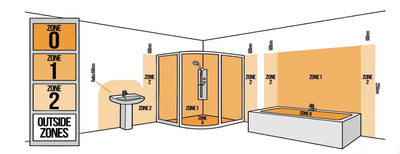
- Bathroom circuits
- Outdoor sockets
- Garden power tools
- Washing machines and dishwashers
These areas are more likely to involve moisture, which increases electrical risk.
Types of RCDs
Different types of RCDs are used depending on the equipment connected to the circuit.
Type AC RCD
This type detects alternating current leakage and is used for basic household appliances.
Type A RCD
This type detects both alternating current and pulsating DC leakage. It is commonly used for modern appliances such as washing machines and induction hobs.
RCBO
An RCBO combines the functions of an RCD and an MCB. It protects against both earth leakage and overload.
Many modern UK consumer units now use RCBOs for better circuit protection.
Importance for Electric Appliances
Modern appliances contain electronic control boards, heating elements, and motors. If insulation breaks down or moisture enters the system, leakage current may occur.
Without RCD protection, such faults could result in electric shock or overheating.
For example:
- A damaged kettle cable may leak current through water.
- A washing machine heater element may develop insulation failure.
- Outdoor power tools may experience moisture-related faults.
In each of these cases, an RCD disconnects the supply quickly to reduce risk.
Testing and Maintenance
RCDs include a test button that should be pressed regularly to ensure proper operation. This simulates a fault and confirms the device can trip correctly.
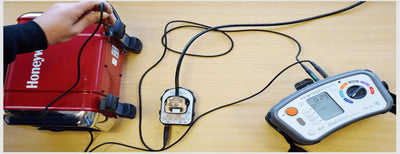
Electricians also verify RCD trip time and sensitivity during electrical inspection and testing.
Conclusion
Residual Current Devices are one of the most important safety features in UK electrical installations. They provide rapid protection against electric shock and help prevent electrical fires caused by appliance faults.
As modern homes rely on more electric appliances, RCD protection has become essential for maintaining safe and reliable electrical systems.