Shop 25mm, 35mm & 47mm back boxes →
The back box (or pattress) is the housing that sits behind a switch or socket and holds the wiring. Getting the right type and depth makes the install neat, safe and compliant with BS 7671.
Standard back box depths
| Depth | Best for |
|---|---|
| 25mm | Most flush light switches and single sockets |
| 35mm | Double sockets, dimmers and anything with more wiring |
| 47mm | Deep accessories, multiple cables, or where space is tight |
If in doubt, go deeper: a 35mm box rarely causes problems, whereas a 25mm box can be a squeeze for a double socket with thick cables.
Metal vs dry-lining boxes
Use a metal (steel) back box when chasing into masonry or brick, fixed with screws and plugs. Use a dry-lining box (with spring or fixed lugs) for plasterboard and stud walls, where it grips the board itself. Surface-mounted pattress boxes sit on the wall face where you cannot recess one.
Single vs double, and mounting
Back boxes come in 1-gang and 2-gang to match the accessory, plus surface pattresses to add depth to an existing plate. Make sure the box is square and flush with the finished wall so the faceplate sits flat.
Installation notes
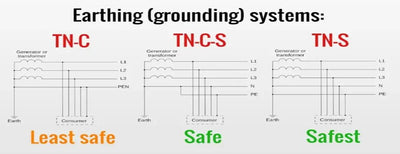
Knock out only the cable entries you need and fit grommets to protect the cable. A metal box must be earthed via the earth terminal in the box. This is fixed wiring, so for anything beyond a like-for-like change use a qualified electrician under Part P.
FAQs
What depth back box for a double socket? 35mm is the safe choice; 25mm can work but is tight with thick cables.
What back box for plasterboard? A dry-lining box that grips the board, not a metal masonry box.
Can I use a deeper box than needed? Yes, a deeper box gives more wiring room and is rarely a problem.
Do metal back boxes need earthing? Yes, a metal box must be connected to earth via its earth terminal.
Shop the range at Kent Traders
Fitting or replacing sockets and switches? Get the right back boxes and accessories. Browse our UK range:
Shop back boxes