Correct polarity is a fundamental requirement in UK electrical installations, especially for socket outlets. Even if a socket appears to function normally, incorrect polarity can create serious safety risks. For electricians, ensuring correct wiring of live, neutral, and earth conductors is essential during installation and testing.
Polarity requirements are defined under BS 7671 standards issued by BSI.
What Is Polarity in Socket Outlets?
Polarity refers to the correct connection of conductors within a circuit:
- Live (Line) carries voltage from the supply
- Neutral completes the circuit
- Earth provides a safety path in case of faults
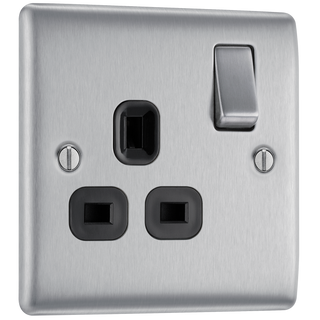
In UK socket outlets (BS 1363), each pin has a fixed position. Correct polarity ensures that switches and protective devices operate on the live conductor.
Why Correct Polarity Matters
If polarity is reversed, the appliance may still work, but safety is compromised.
For example:
- The appliance switch may disconnect the neutral instead of the live
- Internal components may remain live even when switched off
- Increased risk of electric shock during maintenance or fault conditions
This is particularly dangerous for appliances with exposed metal parts or internal heating elements.
Common Causes of Polarity Faults
Polarity issues usually occur due to wiring errors during installation or maintenance. Common causes include:
- Incorrect termination at the socket
- Faulty extension leads
- Incorrect wiring in plugs
- DIY electrical work without proper testing
Such faults may go unnoticed without proper inspection.
Testing for Correct Polarity
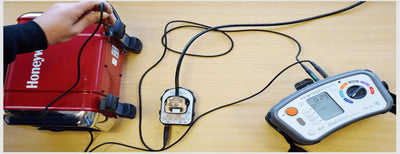
Electricians use several methods to verify polarity:
Socket Testers
Simple plug-in devices that indicate correct wiring or faults.
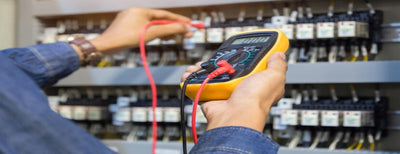
Multifunction Testers
Used during formal inspection to verify polarity along with other parameters.
Continuity Testing
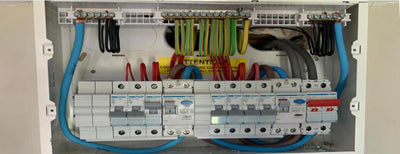
Ensures that conductors are correctly connected from the consumer unit to the outlet.
Testing is essential after installation, modification, or repair work.
Polarity in Appliance Safety
Many appliances rely on correct polarity for safe operation. For example:
- Boilers and heating systems
- Power tools
- Kitchen appliances
Incorrect polarity can lead to internal parts remaining energised, increasing the risk of shock.
Compliance and Best Practice
UK wiring regulations require that polarity is always maintained throughout the installation. Electricians must:
- Clearly identify conductors
- Follow colour coding standards
- Test all circuits before energising
Failure to ensure correct polarity can result in unsafe installations and non-compliance.
Conclusion
Correct polarity is a basic but critical aspect of socket outlet safety in the UK. Even though appliances may appear to work normally, reversed polarity can create hidden dangers.
For electricians, proper installation, testing, and verification are essential to ensure safe and compliant electrical systems.