Choosing the right electrical tools is not just about performance or price. In the UK, safety standards play a critical role in ensuring tools are reliable, compliant, and safe for both professionals and homeowners. Using non-compliant tools can lead to electrical faults, injuries, failed inspections, and even legal issues. This guide explains how to choose electrical tools that meet UK safety standards and what to look for before making a purchase.
Understand UK Electrical Safety Standards
The first step is understanding the regulations that govern electrical tools in the UK. Most electrical tools must comply with:
- BS (British Standards) issued by BSI
- EN or IEC standards, which are recognised across Europe and the UK
- UKCA marking (which replaced CE marking post-Brexit, though CE is still accepted in many cases)
These standards ensure tools have been tested for electrical safety, insulation, durability, and performance. Always check the product documentation or packaging for relevant standard numbers such as BS EN 61010 for testing equipment.
Look for UKCA or CE Marking
A compliant electrical tool should clearly display a UKCA or CE mark. This indicates the manufacturer has assessed the product against essential safety requirements.
Be cautious of tools with:
- No visible marking
- Poor-quality labels
- No manufacturer or importer details
These are often signs of non-compliant or counterfeit products, especially with low-cost imports.
Check Tool Voltage and UK Compatibility
Electrical tools sold in the UK must be compatible with 230V / 50Hz power supply. Imported tools designed for other regions may not meet UK voltage requirements, increasing the risk of overheating or failure.
For plug-in tools, ensure they:
- Have a UK 3-pin plug
- Include a correctly rated fuse
- Comply with BS 1363
Avoid tools that require adapters, as they can compromise safety.
Insulation and Protection Class
Electrical tools are classified based on their insulation and protection method:
- Class I tools require earthing
- Class II (double insulated) tools do not require an earth connection
For many hand-held tools, Class II is preferred as it provides extra protection against electric shock. The double square symbol on the tool indicates double insulation.
Choose Tools Tested for UK Working Conditions
UK environments often involve moisture, dust, and temperature variation. Tools used outdoors or on construction sites should have an appropriate IP rating.
For example:
- IP44 for splash resistance
- IP65 for dust and water protection
This is especially important for extension reels, site lights, and outdoor testing equipment.
Buy from Reputable Suppliers
Purchasing from established UK suppliers or manufacturers reduces the risk of non-compliance. Trusted sellers usually provide:
- Declaration of conformity
- Calibration certificates (for test equipment)
- Clear warranty and return policies
Avoid unverified marketplaces where documentation is missing or unclear.
Calibration and Accuracy for Testing Tools
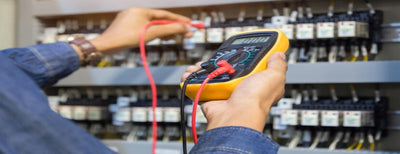
If you are buying electrical testing tools such as multimeters or insulation testers, accuracy is critical. Ensure the tool:
- Meets BS EN testing standards
- Can be calibrated
- Comes with calibration documentation
Uncalibrated tools can give false readings, leading to unsafe installations or failed inspections.
Final Thoughts
Choosing electrical tools that meet UK safety standards is about more than compliance. It ensures personal safety, professional credibility, and long-term reliability. By checking certifications, voltage compatibility, insulation class, and supplier credibility, you can confidently invest in tools that are safe, legal, and fit for UK use.