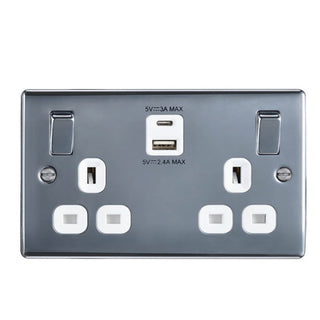
USB charging has become a standard part of everyday life. From smartphones and tablets to smart devices, most modern electronics rely on USB power. To make charging easier, many UK homes are now using built-in USB sockets instead of traditional plug-in adapters.
If you are planning to upgrade your electrical setup, understanding the different types of USB socket options available can help you make the right choice. In the UK, installation and safety of these sockets must follow standards set by BSI.
What Is a USB Socket?
A USB socket is a wall outlet that includes built-in USB ports along with standard power outlets. Instead of using a charger plug, you can directly connect your device using a USB cable.
Most modern designs combine both features, often referred to as a usb and power socket, allowing you to charge devices and run appliances at the same time.
Main Types of USB Socket
There are several types of USB sockets available in the UK, each designed for different needs and usage environments.
1. USB-A Socket
This is the most common and widely used type.
USB-A ports are compatible with most standard charging cables used for smartphones, headphones, and small devices. These sockets are simple, reliable, and suitable for general household use.
A standard usb socket with USB-A ports is ideal for:
- Bedrooms
- Living rooms
- Office desks
They usually provide 5V output and moderate charging speed.
2. USB-C Socket
USB-C is the newer and more advanced type of USB connection.
These sockets support faster charging and are commonly used for modern smartphones, tablets, and even laptops. USB-C sockets can deliver higher power levels, making them more efficient.
A usb to power socket with USB-C support is ideal if you want faster and more future-ready charging in your home.
3. Dual USB Socket (USB-A + USB-A)
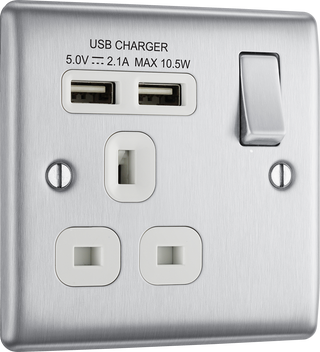
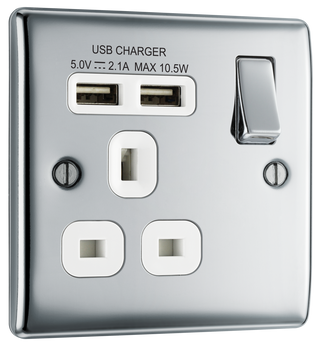
This type includes two USB-A ports in a single outlet.
It allows users to charge multiple devices at the same time without needing extra adapters. This is one of the most popular options in UK homes.
A dual usb socket is commonly installed in:
- Bedrooms for charging phones overnight
- Living rooms for family use
- Study areas
4. USB-A + USB-C Combination Socket
This is a modern and flexible option.
It includes both USB-A and USB-C ports, allowing compatibility with both older and newer devices. This type of usb and power socket is becoming increasingly popular in new installations.
It is ideal for homes where different devices require different charging cables.
5. USB Socket with Standard Power Outlet
This is the most practical and widely used design in the UK.
It combines traditional plug sockets with USB ports in one unit. This type of usb and power socket allows you to:
- Plug in appliances like lamps or TVs
- Charge phones and devices at the same time
It reduces the need for bulky adapters and helps keep spaces organised.
6. Fast-Charging USB Sockets
Some advanced USB sockets support fast-charging technologies.
These sockets can automatically adjust power output based on the connected device. They are ideal for users who want quick charging without using separate adapters.
A high-quality usb to power socket with fast charging is useful for:
- Busy households
- Office environments
- Frequent device users
Things to Consider Before Installing
Before choosing a USB socket, consider the following:
- Power output – Higher output means faster charging
- Compatibility – Choose USB-A, USB-C, or both
- Back box depth – USB sockets need more space than standard sockets
- Quality and certification – Always use UK-compliant products
Installation should always be done properly to ensure safety and long-term performance.
Conclusion
USB sockets are a practical upgrade for modern UK homes. From basic USB-A ports to advanced USB-C and fast-charging options, there are multiple types available to suit different needs.
A well-chosen usb and power socket not only improves convenience but also reduces clutter and enhances everyday usability. Whether you choose a simple usb socket or a more advanced usb to power socket, upgrading your outlets is a smart step towards a more efficient and modern electrical setup.