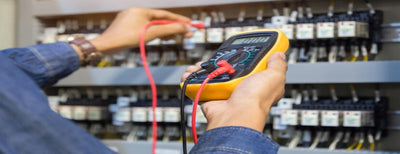
Electrical testing tools play a major role in keeping UK homes safe. Before any electrical installation or repair is signed off, testing is required to ensure everything works correctly and meets regulations. These tools help detect hidden faults that are not visible to the eye.
Continuity Tester
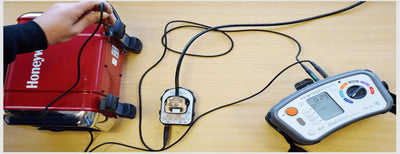
A continuity tester checks whether an electrical circuit is complete. Electricians use it to confirm that cables, switches, and earth connections are properly connected. In UK homes, continuity testing is essential before energising a circuit.
Insulation Resistance Tester
This tool checks the condition of electrical insulation. Over time, insulation can break down due to heat, moisture, or age. An insulation resistance tester helps identify potential leakage that could cause electric shocks or fires. This test is a key part of electrical safety certificates in the UK.
RCD Tester
Residual Current Devices are required in most UK domestic installations. An RCD tester checks whether the device trips within the required time. If an RCD fails, it can put people at serious risk. Electricians use this tool during inspections and when installing new consumer units.
Earth Loop Impedance Tester
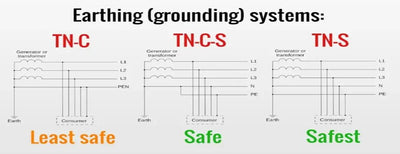
This tester measures how quickly electricity can flow to earth during a fault. A low earth loop impedance ensures that protective devices like MCBs and RCDs operate correctly. This test is critical for UK electrical compliance and overall system safety.
Clamp Meter
A clamp meter measures current without disconnecting cables. This makes it safer and faster to test live circuits. UK electricians often use clamp meters when checking load balance and identifying overloaded circuits.
Why Testing Tools Are Mandatory in the UK
UK electrical regulations require proper testing before any work is considered complete. These tools help prevent electric shocks, fires, and equipment damage. They also ensure compliance with legal requirements for landlords and homeowners.
Final Thoughts
Testing tools are not optional extras. They are essential for safe electrical installations in UK homes. If electrical work is not properly tested, it can lead to serious safety risks. Always rely on qualified electricians who use certified testing equipment and follow UK regulations.