Rising electricity costs in the UK have made energy efficiency a top priority for households. Kitchens, in particular, consume a significant share of household electricity due to constant use of appliances like ovens, refrigerators, dishwashers, and microwaves. Choosing energy-efficient kitchen appliances is no longer just about sustainability. It is about saving money while maintaining everyday convenience.
Why Energy Efficiency Matters in UK Kitchens
UK households use kitchen appliances multiple times a day. Older appliances often consume more power than necessary because they lack modern efficiency technology. Energy-efficient appliances are designed to perform the same tasks while using less electricity, helping households reduce monthly energy bills and carbon emissions.
The UK energy label system, ranging from A+++ to G, helps consumers understand how efficiently an appliance operates. Appliances rated A or above generally offer the best balance between performance and power consumption.
Energy-Efficient Refrigerators and Freezers
Refrigerators run continuously, making them one of the highest energy-consuming appliances in any home. Modern energy-efficient fridge freezers use advanced insulation, inverter compressors, and improved airflow systems to maintain stable temperatures with minimal power use.
For UK homes, choosing the right size is essential. Oversized refrigerators consume more energy even if they are efficient. A correctly sized appliance suited to household needs can significantly reduce electricity usage over time.
Low-Energy Cooking Appliances
Electric ovens, induction hobs, and microwaves have improved greatly in terms of efficiency. Induction hobs, in particular, are one of the most energy-efficient cooking options available in the UK. They heat cookware directly instead of warming the surrounding surface, reducing wasted energy.
Fan-assisted ovens also use less power because they cook food faster and at lower temperatures. Microwaves remain the most energy-efficient option for reheating and cooking small portions.
Dishwashers That Save Power and Water
Modern dishwashers are designed to use less electricity and water than hand washing. Eco modes, energy-efficient heating elements, and smart sensors help optimise each wash cycle. Many UK households hesitate to use dishwashers daily, but efficient models can actually reduce overall utility costs.
Smart Features and Timers
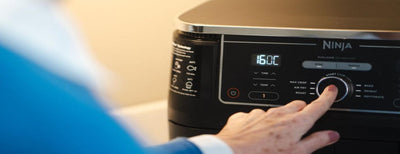
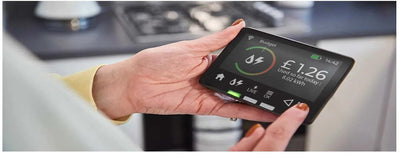
Many energy-efficient kitchen appliances now come with smart features such as timers, load sensors, and energy monitoring. These features allow users to run appliances during off-peak hours, further lowering electricity costs.
Conclusion
Energy-efficient kitchen appliances are a smart investment for UK households. They reduce electricity bills, improve performance, and support environmentally responsible living. By choosing the right appliances and using them efficiently, households can enjoy modern convenience without unnecessary energy waste.