Dehumidifiers have become an essential appliance in many UK households, especially due to the country’s damp climate and limited natural ventilation during colder months. While they are often seen as simple plug-and-play devices, dehumidifiers involve continuous electrical operation and should be understood from both an energy and safety perspective.
Why Dehumidifiers Are Common in the UK
UK homes frequently suffer from:
- High indoor humidity
- Condensation on windows
- Damp walls and mould growth
Modern energy-efficient homes are well sealed, which helps retain heat but also traps moisture. Dehumidifiers remove excess moisture from the air, improving indoor air quality and reducing damage to walls, furniture, and electrical fittings.
Electrical Working Principle
Most domestic dehumidifiers operate using one of two technologies:
-
Refrigerant (Compressor-Based) Dehumidifiers
These work like small refrigerators. Moist air is drawn over cold coils, causing moisture to condense into water, which is collected in a tank or drained away. -
Desiccant Dehumidifiers
These use a moisture-absorbing material and are more effective at lower temperatures, making them suitable for UK garages and unheated rooms.
Both types rely on continuous electrical power to operate fans, compressors, heaters, and control boards.
Power Consumption and Electrical Load
Typical UK domestic dehumidifiers consume between 200 W and 700 W, depending on:
- Size and extraction capacity
- Operating mode
- Ambient temperature and humidity
While this is lower than appliances like ovens or kettles, dehumidifiers often run for long hours. This makes them a notable contributor to overall electricity usage.
Energy-efficient models use:
- Humidity sensors to stop automatically
- Variable fan speeds
- Optimised compressors
These features help reduce unnecessary power consumption.
Socket and Circuit Considerations
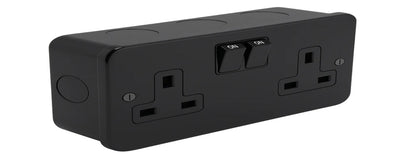
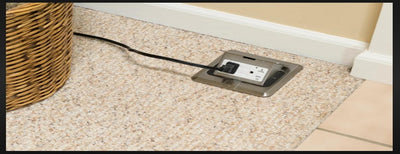
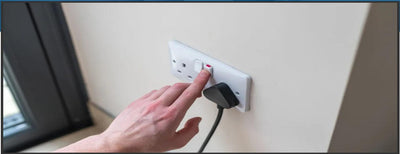
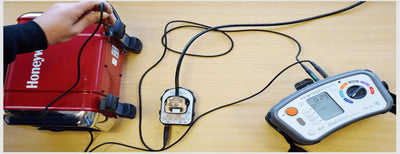
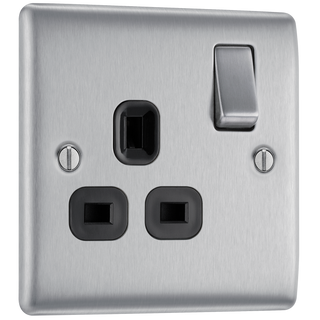
Dehumidifiers are usually plugged into standard UK sockets, but safety precautions include:
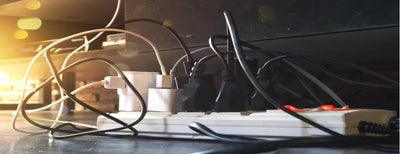
- Avoiding extension leads
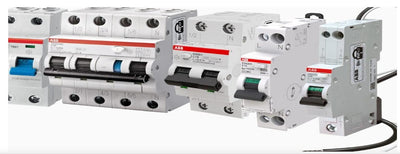
- Ensuring sockets are RCD protected
- Keeping units away from water sources
Because the appliance may run overnight or unattended, proper electrical installation is important to prevent overheating or faults.
Impact on Other Electrical Appliances
By reducing humidity, dehumidifiers indirectly protect other electrical systems. Lower moisture levels reduce:
- Corrosion of wiring and terminals
- Risk of condensation inside appliances
- Electrical leakage in poorly ventilated spaces
This makes dehumidifiers a supportive appliance rather than just a comfort device.
Energy Efficiency and Smart Control
Newer models integrate:
- Digital humidity displays
- Smart timers
- Auto shut-off functions
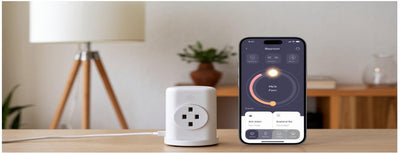
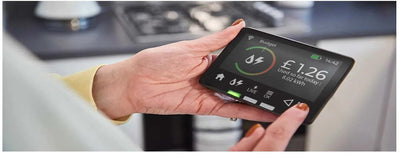
Some can even connect to smart plugs or home energy systems, allowing users to run them during off-peak electricity hours.
Conclusion
Dehumidifiers are a practical solution for UK homes facing moisture issues. When chosen correctly and used efficiently, they provide long-term benefits with manageable electrical demand. Understanding their power usage and installation requirements ensures safe and economical operation.