Microwave ovens are among the most commonly used electrical appliances in UK households. Despite their everyday use, few people understand how microwaves actually consume electricity or how modern technology has improved their efficiency and performance. Recent advances, especially inverter technology, have changed how microwave ovens interact with the electrical supply.
Basic Electrical Operation of a Microwave Oven
A microwave oven generates electromagnetic waves using a component called a magnetron. These waves excite water molecules in food, producing heat internally rather than from the outside in.
Traditional microwaves operate in a simple way:
- Full power on
- Full power off
When a lower power setting is selected, the microwave switches the magnetron on and off repeatedly. This results in uneven heating and inefficient energy use.
What Is Inverter Microwave Technology?
Inverter microwaves use advanced electronic power control instead of simple on-off cycling. The inverter regulates voltage and current supplied to the magnetron, allowing it to run continuously at lower power levels.
This provides:
- More even cooking
- Better temperature control
- Reduced energy waste
- Less electrical stress on components
In UK homes, inverter microwaves are becoming more common due to improved efficiency and cooking quality.
Electrical Load and Power Consumption
Most UK microwave ovens are rated between 800 W and 1,200 W output power, with actual electrical input often higher due to conversion losses.
Inverter models typically:
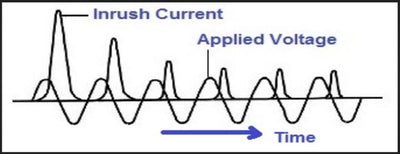
- Reduce peak current draw
- Improve power factor
- Lower stress on sockets and internal wiring
This makes them more suitable for modern kitchens with multiple appliances operating simultaneously.
Installation and Electrical Safety
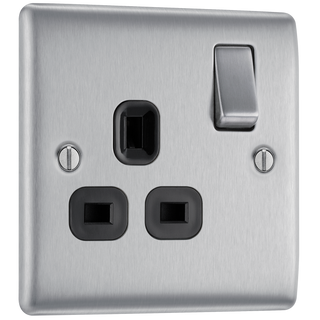
Microwave ovens are usually plugged into standard kitchen sockets, but safety considerations include:
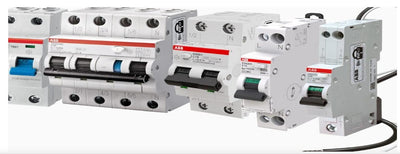
- RCD-protected circuits
- Adequate ventilation to prevent overheating
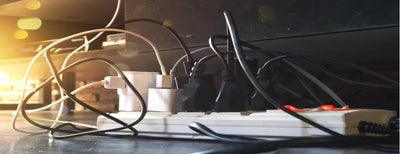
- Avoiding shared extension leads
Built-in microwaves should always be installed according to manufacturer instructions to ensure proper airflow and electrical safety.
Energy Efficiency and Real-World Usage
Short cooking times mean microwaves are generally energy-efficient compared to ovens. Using appropriate cookware and avoiding unnecessary reheating cycles further improves efficiency.
In UK households using smart meters, microwaves contribute minimal peak load when used correctly.
Future Developments
Future microwave designs are expected to integrate better sensors, adaptive power control, and connectivity with smart home energy systems, further improving efficiency and electrical performance