Appliances Used the Most Electricity in UK 2025

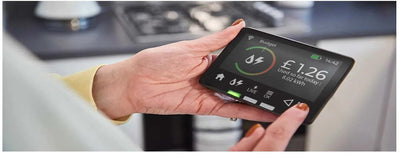
Ever opened your electricity bill and thought, “Wait… how did it get this high?” You’re not the only one. With energy prices always changing and more gadgets filling our homes, it's easy to lose track of what's actually using up the most power.

Let’s take a look at the main culprits in UK households—and how you can cut down on costs without giving up your everyday comforts.

1. Heating & Hot Water – The Biggest Energy User

No surprises here—heating and hot water take up the biggest chunk of your energy bill. Whether you use electric or gas heating, it can easily eat up 50% to 60% of your total energy use. If you're using an electric boiler or immersion heater, it can cost even more.

Simple ways to save:

Get a smart thermostat to manage temperatures more efficiently.

Lower your thermostat by just 1°C—this can save up to 10% a year!

Insulate your home better—think loft, walls, and sealing up draughty spots.

2. Washing Machines & Tumble Dryers

We all love fresh, clean clothes—but running the washing machine and especially the tumble dryer adds up. A single dryer cycle can use around 2.5 to 4.5 kWh of electricity.

What helps:

Wash clothes at 30°C—it’s just as effective and uses a lot less energy.

Dry clothes naturally when you can. It’s free and gentler on your fabrics.

3. Fridge Freezers – Always On

Your fridge freezer runs all day, every day—so even if it doesn’t feel like it uses much, it adds up over time. Older models are even less efficient and can cost between £50–£100 a year to run.

Energy-saving tips:

Don’t overstuff your fridge—but don’t leave it too empty either.

Clean the dust off the coils at the back every so often to help it run better. 

4. Electric Showers – Quick But Power-Hungry

A warm shower is one of life’s little joys, but electric showers use a lot of electricity—typically between 7.5 and 10 kW. Just 10 minutes a day can really add up on your bill.

Easy switches:

Keep showers short—every extra minute counts.

If you can, switch to a mixer shower that uses hot water from a gas boiler.

5. Ovens & Electric Hobs

Using the oven or electric hob for cooking can take around 2–2.5 kWh per hour. While it’s not something you use all day, it can still be a noticeable cost if you cook often.

Smarter cooking tips:

Batch cook meals to get more from each oven use.

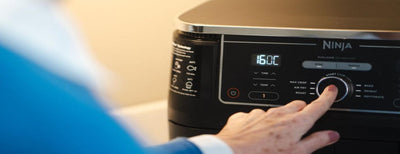
Use energy-saving appliances like air fryers, microwaves, or slow cookers when possible.

6. Dishwashers

Dishwashers aren't the worst offenders, but they’re still worth mentioning. A typical cycle uses about 1.5 to 2 kWh, especially if you run it every day.

To cut down:

Wait until it's full before running a cycle.

Use the eco mode—it takes longer but uses less energy and water.

7. TVs, Laptops & Tech Gadgets

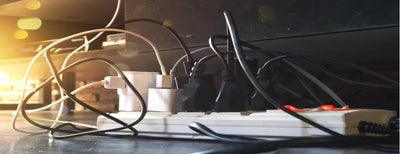
Each device may not use much power on its own, but when you’ve got a TV in every room, laptops, consoles, smart speakers, and phones charging all the time—it adds up. And yes, standby mode still uses energy.

Little changes, big impact:

Switch devices off at the plug when not in use.

Use smart power strips or timers for convenience.

Turn on power-saving mode where available.

Understanding which appliances use the most electricity can really help you take back control of your energy usage. You don’t need to go off-grid or give up modern comforts—just being a little more mindful can make a real difference.

Start small. Maybe turn the heating down a notch, air-dry your laundry, or upgrade that old fridge. Over time, these simple habits can lead to lower bills and a more energy-efficient home.
Previous articleWhy It’s Smart to Get an EICR Certificate Before Selling Your Home All articles Next articleWhy Early Electrical Repairs Save More Than Just Money!

RELATED ARTICLES

BG 3-pole fan isolator switch
Do you need a fan isolator switch? 3-pole isolators explained

Why timer and overrun extractor fans need a 3-pole fan isolator switch, where to fit it, and how to choose one.

BG 45A cooker switch
Which cooker switch do I need? 45A cooker switches explained (UK)

45A vs 32A, single vs double pole, with or without a socket, and where a UK cooker switch should go under BS 7671.

Power Factor in Household Appliances
Power Factor in Household Appliances: Why It Matters in UK Electrical Systems

Most discussions around electrical appliances focus on power consumption in watts, but another important factor often ignored in domestic settings is power factor. While...

Voltage Drop in UK Electrical Circuits
Voltage Drop in UK Electrical Circuits: Impact on Appliances and How to Manage It

Voltage drop is an important factor in electrical installations, especially in UK homes where multiple appliances operate across different circuits. If not properly managed,...

What Are the Types of USB Socket
What Are the Types of USB Socket? A Complete Guide for UK Homes

USB charging has become a standard part of everyday life. From smartphones and tablets to smart devices, most modern electronics rely on USB power....

IP Ratings for Socket Outlets in the UK
IP Ratings for Socket Outlets in the UK: Understanding Protection Levels and Applications

Ingress Protection (IP) ratings are an important consideration when selecting socket outlets for different environments in the UK. Not all sockets are suitable for...

Socket Outlet Polarity in the UK
Socket Outlet Polarity in the UK: Importance, Testing and Fault Risks

Correct polarity is a fundamental requirement in UK electrical installations, especially for socket outlets. Even if a socket appears to function normally, incorrect polarity...

Socket Outlet Back Boxes in the UK
Socket Outlet Back Boxes in the UK: Types, Depth Requirements and Installation Standards

Quick answer: The back box depth you need depends on the accessory: 25mm suits most flush light switches and single sockets, 35mm gives extra...

Floor Socket Outlets in the UK
Floor Socket Outlets in the UK: Applications, Installation and Safety Considerations

Floor socket outlets are a specialised type of electrical outlet installed directly into the floor rather than on walls. They are increasingly used in...

Smart Electrical Outlets in UK Homes
Smart Electrical Outlets in UK Homes: Technology, Energy Control and Installation Considerations

Smart electrical outlets are becoming a popular addition to modern UK homes. These outlets allow users to control connected appliances remotely using smartphones, voice...

USB Electrical Outlets in UK Homes
USB Electrical Outlets in UK Homes: Design, Load Considerations and Installation

As modern homes rely more on mobile devices, USB socket outlets have become increasingly popular in the UK. These outlets combine traditional plug sockets...

Residual Current Devices in UK Appliances Circuits
Residual Current Devices (RCDs) in UK Appliances Circuits: Why They Are Essential for Electrical Safety

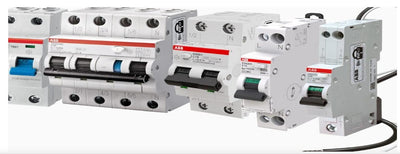
Electrical safety is a major concern in modern UK homes and workplaces. With the increasing use of electric appliances such as washing machines, kettles,...

Portable Appliance Testing (PAT) in the UK
Portable Appliance Testing (PAT) in the UK: Technical Procedure and Compliance Requirements

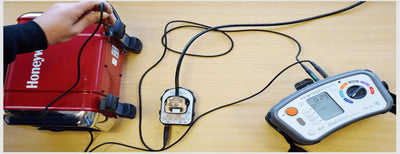
Portable Appliance Testing (PAT) is a critical safety process for electrical appliances used in workplaces, rental properties, schools and construction sites across the UK....

Inrush Current in UK Electric Appliances and Power Tools
Inrush Current in UK Electric Appliances and Power Tools: Circuit Design and Protection Essentials

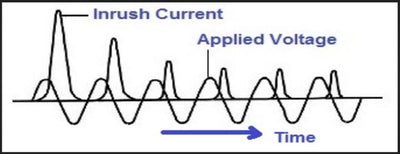
Inrush current is an important but often overlooked factor in UK electrical installations. Many electric appliances and professional power tools draw a short but...

Earthing System Types in the UK
Earthing System Types in the UK: TN-S, TN-C-S and TT System Design Considerations

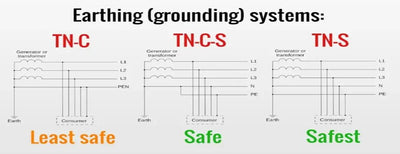
Understanding earthing arrangements is critical for safe and compliant installations. In the UK, the primary earthing systems are TN-S, TN-C-S (PME), and TT systems....

Smart Meters in UK Homes
Smart Meters in UK Homes: How They Help You Monitor Electricity Usage

Smart meters have become increasingly common across the UK. Many energy suppliers now install them as standard, helping households better understand how much electricity...

Shop products from this guide