When it comes to our homes, we often delay small repairs thinking, “It can wait.” Electrical issues are no exception. A flickering light, a buzzing outlet, or a frequently tripping breaker may seem harmless at first. However, putting off electrical repairs can cost you more than just money — it can affect your safety, peace of mind, and even the value of your property.
Let’s dive into why taking care of electrical problems early is one of the smartest choices you can make.
1. Safety First: Protecting Lives
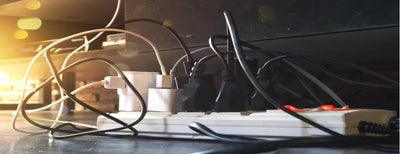
Electrical systems are powerful and, when not functioning properly, they can become extremely dangerous. Faulty wiring, overloaded circuits, or damaged outlets can cause shocks, fires, and other serious accidents.
According to fire safety reports, electrical faults are one of the leading causes of house fires worldwide. What starts as a minor wiring issue could escalate into a devastating fire that endangers the lives of everyone in your home.
By addressing electrical problems early, you're not just saving on repair costs — you're protecting your family, your pets, and yourself from serious harm. Safety should always be the number one priority.
2. Saving Money in the Long Run
While it might seem like you’re saving money by postponing repairs, the opposite is true. Minor electrical problems often worsen over time. What could have been a simple and inexpensive fix might turn into a costly emergency repair or complete system overhaul.
For instance, a loose connection that costs $50 to fix today might damage your electrical panel later, leading to repairs that run into the hundreds or even thousands of dollars. Early action prevents these larger expenses and keeps your overall maintenance budget manageable.
3. Preventing Energy Waste
Electrical faults don’t just pose safety risks — they also lead to energy inefficiency. Damaged wiring, poor connections, and malfunctioning appliances can all consume more electricity than they should. This results in higher energy bills every month without you realizing it.
By repairing electrical problems early, you ensure that your system operates efficiently. This helps reduce your carbon footprint and saves you money on energy costs — a win-win for you and the environment.
4. Maintaining the Value of Your Property
Your home is one of your biggest investments. Keeping its electrical system in good shape is essential for maintaining — and even increasing — its value.
When the time comes to sell your property, potential buyers will most likely hire inspectors to check for issues, including electrical ones. A home with a history of prompt repairs and a well-maintained electrical system can demand a higher price and sell faster.
On the other hand, visible electrical issues can be red flags, causing buyers to hesitate or negotiate for a lower price. Early repairs help keep your property market-ready at all times.
5. Reducing Stress and Anxiety
Living with ongoing electrical issues can be stressful. Maybe it’s the uncertainty about whether that buzzing sound is dangerous, or the frustration of dealing with constantly tripping breakers. Ignoring these problems can create a constant background worry that takes a toll on your peace of mind.
Early electrical repairs offer you the comfort of knowing that your home is safe and functioning smoothly. Instead of worrying about what might happen, you can relax and enjoy your living space.
6. Extending the Life of Appliances
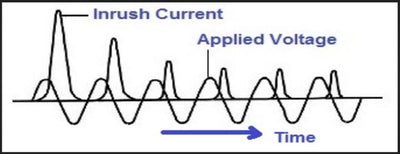
Faulty wiring or unstable electrical currents can damage your appliances over time. Sensitive equipment like computers, televisions, and even refrigerators can suffer from inconsistent power flow, reducing their lifespan.
By ensuring your electrical system is healthy, you also protect your expensive appliances and devices from premature failure. This saves you the cost and inconvenience of frequent replacements.
7. Professional Repairs Provide Expert Insight
When you call a qualified electrician to fix a small issue, you also gain the benefit of their trained eye. They can often spot other potential problems before they become serious.
Early repairs often turn into a mini health check for your home's electrical system, allowing you to stay ahead of future issues. This proactive approach can save you major headaches down the road.
Delaying electrical repairs might seem harmless at first, but it can lead to serious consequences — not just financially, but emotionally and physically as well. Early repairs protect your loved ones, save you money, preserve your home’s value, and give you much-needed peace of mind.
Think of it this way: just like you wouldn’t ignore a health issue hoping it will magically disappear, your home deserves the same prompt attention. At the end of the day, early action is always cheaper, safer, and smarter.
So the next time you notice a flickering light or a strange buzzing noise, don’t put it off. Call a trusted electrician, and take a small step today that could prevent a giant problem tomorrow!