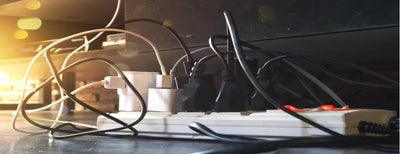
Preventing Electrical Fires: Why Home Safety Inspections Matter in the UK When we think about safety at home, we often check the locks, install smoke alarms, or make sure our windows close properly. But one area many homeowners overlook is the electrical system. Every year, electrical fires cause serious damage, injuries, and even deaths across the UK. Many of these incidents could be prevented with regular home safety inspections. In this blog, we’ll explore why electrical safety inspections are so important, how they work, and what steps you can take to protect your home and family. The Hidden Danger of Electrical Fires Electrical fires aren’t always caused by dramatic sparks or visible damage. Often, the problems start small: a loose wire, an overloaded socket, or old, deteriorating cables behind your walls. Over time, these issues can build up heat, leading to a fire.
Many of these are linked to faulty wiring, outdated fuse boxes, or unsafe appliances. Unlike other types of fires, electrical fires are harder to detect early because the warning signs aren’t always visible. That’s why a professional inspection can be a lifesaver it spots the risks before they turn dangerous.
What Is a Home Electrical Safety Inspection?
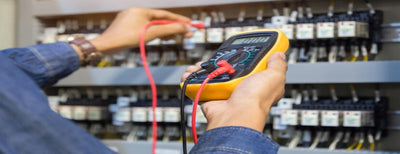
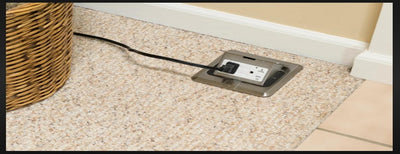
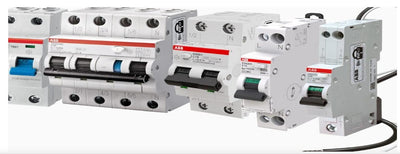
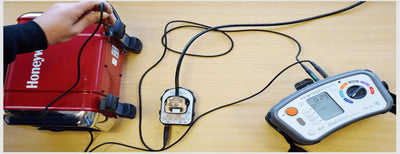
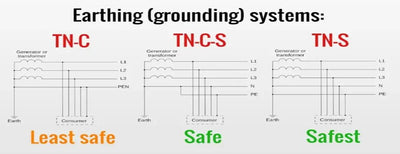
During the inspection, they’ll assess: The condition of your wiring The fuse box (consumer unit) Sockets, switches, and light fittings Earthing and bonding (to prevent shocks) Any visible signs of wear or overheating Safety features like residual current devices (RCDs) At the end of the inspection, you’ll receive a report that tells you if your home meets current safety standards or if any repairs or upgrades are needed. This isn’t just for older homesmany newer homes can still develop issues, especially if DIY electrical work has been carried out without professional guidance. Why Are Electrical Safety Inspections Important? There are several reasons why these inspections matter, especially in the UK:
1. Preventing Fires Before They Start The main goal is to catch problems before they become serious. Faulty wiring or overloaded circuits can cause sparks or overheating, which are major fire risks. An inspection identifies these issues early, reducing the chance of a fire starting.
2. Knowing that your electrical system is safe allows you to relax and enjoy your home without worrying about hidden dangers. If you have young children or elderly family members, it’s especially important to ensure their environment is safe.
3. Complying with Legal Requirements If you’re a landlord in the UK, you’re legally required to have an Electrical Installation Condition Report (EICR) every five years (or at the start of a new tenancy). Even if you’re a homeowner, it’s strongly recommended to get inspections done regularly.
4. Protecting Your Property Value If you plan to sell your home, having an up-to-date electrical inspection report can boost buyer confidence. Buyers are more likely to trust a property with documented safety measures in place. How Often Should You Get an Electrical Inspection? The general recommendation in the UK is: Every 10 years for owner-occupied homes Every 5 years for rented properties When buying a new home, especially an older one
It’s always better to be safe than sorry. Even if you’ve never had problems, electrical systems age over time, and hidden faults can develop.
Common Issues Found During Inspections
During an inspection, electricians often discover issues like:
Outdated fuse boxes that don’t meet current standards
Lack of RCD protection (a key safety feature)
Damaged or frayed wiring
Loose connections in sockets or switches
Overloaded circuits, especially in kitchens or living rooms
DIY electrical work that isn’t compliant with regulations
Many of these issues are fixable, but only if they’re identified early. Ignoring them increases the risk of fire or electric shock.
What Happens If Problems Are Found?
If your inspection report finds problems, the electrician will recommend repairs or upgrades. In some cases, it might be simple replacing a faulty socket or installing an RCD. In others, it could involve rewiring parts of your home.
While some homeowners worry about the cost, it’s important to see this as an investment in safety. An electrical fire can cause thousands of pounds in damage not to mention the emotional toll of losing your home or belongings.
Who Can Carry Out an Electrical Safety Inspection?
It’s important to hire a qualified and registered electrician. In the UK, look for electricians who are part of schemes like NICEIC, NAPIT, or ELECSA. These professionals have been assessed for competence and work to high safety standards.
Avoid hiring unregistered or unqualified individuals poor-quality inspections or repairs could leave you at risk.
Electrical fires don’t always give warnings. By the time you notice a burning smell or flickering lights, the issue may already be dangerous. That’s why proactive inspections are key.
Whether you’re a homeowner, a landlord, or buying a new property, getting an electrical safety inspection isn’t just a box to tick it’s a vital step in protecting your home, family, and peace of mind.
If it’s been a while since your last inspection or if you’ve never had one now is the perfect time to schedule it. After all, your home should be a place of safety, not hidden risks.