Why It’s Smart to Get an EICR Certificate Before Selling Your Home

Selling your home is no small feat — it’s emotional, exciting, and yes, a bit overwhelming. Between sprucing up the place and juggling viewings, there’s a lot on your plate. But here’s one thing many sellers forget — and it can make a big difference: getting an EICR certificate.

Never heard of it? Don’t worry — you’re not alone. Let’s walk through what it is and why it’s totally worth ticking off your to-do list before that “For Sale” sign goes up.

What Exactly Is an EICR?

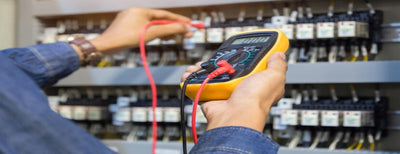
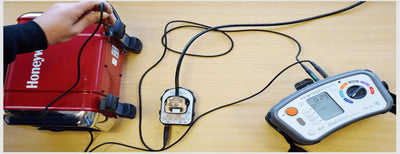
An EICR — short for Electrical Installation Condition Report — is a formal checkup for your home’s electrics. A qualified electrician comes in, inspects your wiring, sockets, fuse board, lights, and other key parts of your electrical system, and gives you a report on whether everything’s safe and up to modern standards.

Think of it as an MOT for your house's electrical setup.

Do You Have to Get One?

If you're a landlord, yes — it’s the law. But if you're selling your own home, it's not a legal must. That said, skipping it can leave you at a disadvantage.

Imagine you’re buying a used car. Wouldn’t you want to see the service history? An EICR offers that same reassurance to buyers — “Hey, this house is safe and well looked after.”

5 Solid Reasons to Get an EICR Before You Sell

1. It Gives Buyers Confidence

Today’s buyers are more cautious — and rightly so. Alongside structural surveys and damp checks, they'll also be thinking, "Is the wiring safe?"
Having an EICR ready shows that you've taken care of the property — and that kind of transparency can go a long way in building trust.

2. You Can Fix Problems Early

You don't want nasty surprises popping up when the buyer brings in their own inspector. An early EICR means you can catch any issues ahead of time — and fix them before they cause delays or cost you the sale.

3. It Can Speed Things Up

When you’ve already got your electrical safety certificate in hand, you're showing buyers (and solicitors) that you're serious and prepared. Less waiting, less back-and-forth — potentially a much smoother path to completion.

4. Avoid Awkward Price Haggling

If a buyer discovers electrical issues during their checks, you can bet they'll want to renegotiate. Sorting it beforehand means fewer surprises — and fewer chances for someone to knock thousands off your asking price.

5. It’s a Smart Backup Plan

Even if the sale drags on (or you end up renting the place instead), having a valid EICR means you're covered. It’s valid for five years — so no effort goes to waste.

How Much Does It Cost?

Costs vary depending on the size and complexity of your home, but here's a ballpark:

  • 1-bed flat: £125–£150
  • 3-bed house: £200–£250
  • Larger homes: £300+

Yes, it’s an added cost — but one that can easily pay for itself by helping your sale go smoothly (and confidently).

Getting an EICR certificate before selling your home might not be mandatory — but it’s a move that shows care, foresight, and professionalism. It helps protect your sale, builds buyer trust, and ensures there are no last-minute hiccups with the electrics.

Bottom line? It’s one of those behind-the-scenes things that can make a world of difference. Safe home, happy buyer, smoother sale — that’s a win-win.
Previous articleElectrics in a Garden Building All articles Next articleAppliances Used the Most Electricity in UK 2025

RELATED ARTICLES

BG 3-pole fan isolator switch
Do you need a fan isolator switch? 3-pole isolators explained

Why timer and overrun extractor fans need a 3-pole fan isolator switch, where to fit it, and how to choose one.

BG 45A cooker switch
Which cooker switch do I need? 45A cooker switches explained (UK)

45A vs 32A, single vs double pole, with or without a socket, and where a UK cooker switch should go under BS 7671.

Power Factor in Household Appliances
Power Factor in Household Appliances: Why It Matters in UK Electrical Systems

Most discussions around electrical appliances focus on power consumption in watts, but another important factor often ignored in domestic settings is power factor. While...

Voltage Drop in UK Electrical Circuits
Voltage Drop in UK Electrical Circuits: Impact on Appliances and How to Manage It

Voltage drop is an important factor in electrical installations, especially in UK homes where multiple appliances operate across different circuits. If not properly managed,...

What Are the Types of USB Socket
What Are the Types of USB Socket? A Complete Guide for UK Homes

USB charging has become a standard part of everyday life. From smartphones and tablets to smart devices, most modern electronics rely on USB power....

IP Ratings for Socket Outlets in the UK
IP Ratings for Socket Outlets in the UK: Understanding Protection Levels and Applications

Ingress Protection (IP) ratings are an important consideration when selecting socket outlets for different environments in the UK. Not all sockets are suitable for...

Socket Outlet Polarity in the UK
Socket Outlet Polarity in the UK: Importance, Testing and Fault Risks

Correct polarity is a fundamental requirement in UK electrical installations, especially for socket outlets. Even if a socket appears to function normally, incorrect polarity...

Socket Outlet Back Boxes in the UK
Socket Outlet Back Boxes in the UK: Types, Depth Requirements and Installation Standards

Quick answer: The back box depth you need depends on the accessory: 25mm suits most flush light switches and single sockets, 35mm gives extra...

Floor Socket Outlets in the UK
Floor Socket Outlets in the UK: Applications, Installation and Safety Considerations

Floor socket outlets are a specialised type of electrical outlet installed directly into the floor rather than on walls. They are increasingly used in...

Smart Electrical Outlets in UK Homes
Smart Electrical Outlets in UK Homes: Technology, Energy Control and Installation Considerations

Smart electrical outlets are becoming a popular addition to modern UK homes. These outlets allow users to control connected appliances remotely using smartphones, voice...

USB Electrical Outlets in UK Homes
USB Electrical Outlets in UK Homes: Design, Load Considerations and Installation

As modern homes rely more on mobile devices, USB socket outlets have become increasingly popular in the UK. These outlets combine traditional plug sockets...

Residual Current Devices in UK Appliances Circuits
Residual Current Devices (RCDs) in UK Appliances Circuits: Why They Are Essential for Electrical Safety

Electrical safety is a major concern in modern UK homes and workplaces. With the increasing use of electric appliances such as washing machines, kettles,...

Portable Appliance Testing (PAT) in the UK
Portable Appliance Testing (PAT) in the UK: Technical Procedure and Compliance Requirements

Portable Appliance Testing (PAT) is a critical safety process for electrical appliances used in workplaces, rental properties, schools and construction sites across the UK....

Inrush Current in UK Electric Appliances and Power Tools
Inrush Current in UK Electric Appliances and Power Tools: Circuit Design and Protection Essentials

Inrush current is an important but often overlooked factor in UK electrical installations. Many electric appliances and professional power tools draw a short but...

Earthing System Types in the UK
Earthing System Types in the UK: TN-S, TN-C-S and TT System Design Considerations

Understanding earthing arrangements is critical for safe and compliant installations. In the UK, the primary earthing systems are TN-S, TN-C-S (PME), and TT systems....

Smart Meters in UK Homes
Smart Meters in UK Homes: How They Help You Monitor Electricity Usage

Smart meters have become increasingly common across the UK. Many energy suppliers now install them as standard, helping households better understand how much electricity...

Shop products from this guide