Power surges can happen suddenly and damage your electrical appliances beyond repair. In the UK, surges are often caused by lightning strikes, faulty wiring, or when power is restored after an outage. Understanding how to protect your devices can save you from costly replacements.
What is a Power Surge?
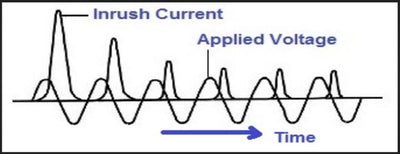
A power surge is a sudden, short-term increase in voltage. UK homes typically use 230V electricity, and a surge can push this higher, potentially burning internal components of appliances.
Common Causes in the UK
- Lightning strikes during storms.
- Faulty appliances or damaged wiring.
- Restoration of electricity after a blackout.
- Large appliances switching on/off, like fridges or boilers.
How to Protect Your Appliances
- Use Surge Protection Devices (SPDs): These plug-in or built-in devices absorb excess voltage before it reaches your appliances.
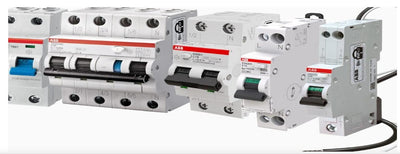
- Install Whole-House Surge Protectors: Fitted in your consumer unit, these protect your entire property.
- Unplug During Storms: Disconnect valuable electronics during severe weather.
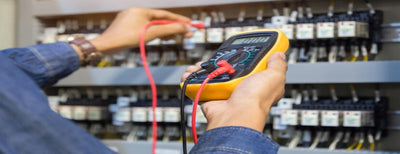
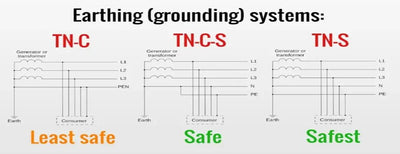
- Maintain Good Wiring: Faulty wiring can increase surge risk—get regular checks from a qualified electrician.
- Use UPS (Uninterruptible Power Supply): Especially useful for computers, they keep devices running temporarily during outages.
Why It’s Important
Replacing appliances can be expensive, and some damage is not covered by standard insurance policies. Preventive measures are a small investment compared to the cost of repairs or replacements.
Taking proactive steps now can help ensure your electronics and appliances remain safe, even during unexpected voltage spikes.