When it comes to electrical work in your home, safety is not just important — it’s a legal requirement. In the UK, Part P of the Building Regulations ensures that all household electrical work is carried out to a safe standard. If you own a property, planning to renovate, or thinking about DIY electrical projects, understanding Part P is essential.
What is Part P of the Building Regulations?
Part P is a section of the UK Building Regulations that covers electrical safety in dwellings. It applies to all fixed electrical installations in homes and certain outbuildings, such as sheds, garages, and conservatories.
It was introduced in 2005 to reduce the risk of electrical fires, shocks, and accidents caused by unsafe electrical work.
Why Does Part P Matter to Homeowners?
If electrical work in your home doesn’t meet Part P standards, you could face several issues:
- Safety risks – Poor wiring can cause fires or electric shocks.
- Legal consequences – Non-compliance is a criminal offence in England and Wales.
- Property value – When selling, you may be asked for certificates proving that electrical work meets regulations.
- Insurance problems – Claims for electrical fires may be refused if the work wasn’t compliant.
What Type of Work Does Part P Cover?
Part P applies to most electrical work in your home, including:
- Installing new circuits
- Replacing a consumer unit (fuse box)
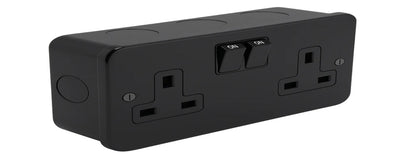
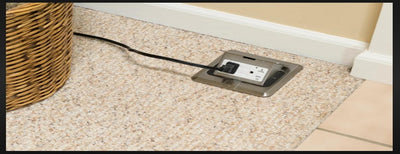
- Adding sockets or lights in certain locations
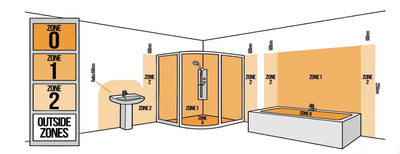
- Electrical work in kitchens, bathrooms, and outdoors
Some minor work (like replacing a light fitting) may not need Building Control approval, but it must still be carried out safely.
Who Can Do Electrical Work Under Part P?
You have two options:
- Hire a Part P-registered electrician – They can self-certify their work, meaning you don’t have to involve your local authority.
- DIY or hire a non-registered electrician – You must notify Building Control before starting, and the work will be inspected.
Hiring a registered electrician is usually the quickest and safest route, as they know the regulations and handle the paperwork.
How to Prove Compliance
When electrical work is completed, you should receive:
- Electrical Installation Certificate (EIC) – Confirms the work meets BS 7671 wiring regulations.
- Building Regulations Compliance Certificate – Shows the work meets Part P requirements.
Keep these documents safe, as they will be needed when selling your home or for insurance purposes.
What Happens If You Ignore Part P?
Failing to follow Part P can lead to:
- A fine or legal action
- Being forced to redo the work at your expense
- Difficulty selling your property
- Safety hazards for your household
Part P in Scotland and Northern Ireland
Part P applies in England and Wales. Scotland and Northern Ireland have their own building standards, but the principles of electrical safety are similar.
Key Takeaways for Homeowners
- Check your electrician is registered with a Part P-approved scheme (like NICEIC, NAPIT, or ELECSA).
- Always get certificates after electrical work.
- Don’t cut corners with DIY electrical projects — safety comes first.
Final Word
Part P of the Building Regulations is there to protect lives and property. Whether you’re upgrading your kitchen lighting or rewiring your home, following Part P ensures the work is safe, legal, and future-proof. As a homeowner, being aware of these rules not only keeps your home safe but also protects your investment.