Heated Towel Rails vs Electric Radiators: Which Is Better for UK Bathrooms?

Heating a bathroom in the UK can be tricky. It’s usually one of the coldest rooms in the house, and it also needs to stay dry and free from damp. Two common heating options used in UK bathrooms are heated towel rails and electric radiators. While both can warm the room, they serve slightly different purposes — and choosing the right one depends on your needs, space, and usage.

In this blog, we’ll compare heated towel rails and electric radiators in a simple way to help you decide which is better for your bathroom.

What Is a Heated Towel Rail?

A heated towel rail is a wall-mounted unit designed to dry and warm your towels while also giving off a small amount of heat to warm the bathroom. In the UK, they are very common in both small and large bathrooms.

There are three main types:

  • Electric towel rails (plugged into the mains)
  • Plumbed towel rails (connected to your central heating system)
  • Dual fuel towel rails (can run on both central heating and electricity)

What Is an Electric Radiator?

An electric radiator is a standalone heater powered by electricity. It works independently from your central heating and is designed to warm the air in the room, not just the towels. Many modern electric radiators are slim, efficient, and wall-mounted.

Heating Power and Room Warmth

Electric Radiators:

  • Provide more heat output compared to towel rails
  • Better at warming larger bathrooms or rooms without other heating
  • Ideal if your bathroom gets very cold in winter

Heated Towel Rails:

  • Primarily designed to dry and warm towels
  • Offer limited room heating, better for smaller or well-insulated bathrooms
  • May not be enough in winter if used as the only heat source

Verdict: If you want a warmer bathroom, go for an electric radiator. If you just want warm towels and mild heating, a towel rail will work fine.

Energy Efficiency

Both options can be energy-efficient when used correctly.

Electric Radiators:

  • Often come with digital thermostats and timers
  • Allow you to heat the room only when needed
  • Some models use smart tech to optimise energy use

Heated Towel Rails:

  • Consume less power overall
  • Efficient for short-term use
  • Some models include timers for energy control

Tip: Look for models with thermostatic control to avoid overheating and reduce electricity waste.

Installation and Cost

Heated Towel Rails:

  • Usually easier and cheaper to install
  • Wall-mounted, ideal for compact spaces
  • Cost-effective upfront

Electric Radiators:

  • Slightly more complex to install due to wiring needs
  • Often more expensive to buy
  • May require professional fitting for safety (especially in bathrooms)

Verdict: If you're renovating on a budget, towel rails are simpler. If you want full-room comfort, the extra cost of a radiator might be worth it.

Design and Space Considerations

Towel Rails:

  • Sleek and space-saving
  • Available in a variety of sizes and finishes (chrome, black, matte white)
  • Can act as both a towel storage and drying solution

Electric Radiators:

  • Bulkier than towel rails
  • Some modern styles are slim and stylish
  • Take up more wall space, so may not be ideal in small bathrooms

Tip: Measure your bathroom carefully before choosing. Towel rails often work better in compact UK bathrooms.

Usage Flexibility

Electric Radiators:

  • Better for year-round use
  • Can be used even when central heating is off
  • Perfect for homes without a full heating system in the bathroom

Towel Rails:

  • Best for drying towels in winter
  • Can feel limited if you rely on them for total room warmth
  • Some models may take longer to heat up

Safety and Regulations in UK Bathrooms

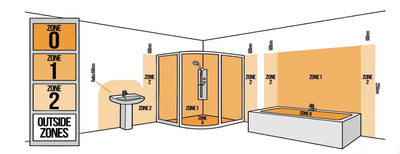
Any electrical appliance used in a UK bathroom must meet IP rating requirements (Ingress Protection) to prevent water damage or shock.

  • Look for IP24 or above for bathroom zones
  • Always hire a qualified electrician for installation
  • Wall-mounted models are generally safer than portable ones

So, Which Should You Choose?

Feature

Heated Towel Rail

Electric Radiator

Best For

Warm towels + mild heating

Full room heating

Energy Use

Lower

Higher but controlled

Space

Compact

Needs more wall space

Price

Cheaper upfront

Higher initial cost

Installation

Easier

May need professional

Flexibility

Limited

More control + settings


Final Thoughts

For small bathrooms where towel drying is your main concern, a heated towel rail is a practical and stylish choice. But if you need to properly heat the bathroom — especially in colder parts of the UK — an electric radiator offers better warmth and flexibility.

In some cases, people choose to install both — using the towel rail for convenience and the radiator for full heating.

Think about how cold your bathroom gets, your budget, and how often you use the space before making a final decision.
Previous articleImportance of Earth Bonding in UK Electrical Systems All articles Next articleAppliance Installation Rules in the UK: What You Can (and Can’t) Do Yourself

RELATED ARTICLES

BG 3-pole fan isolator switch
Do you need a fan isolator switch? 3-pole isolators explained

Why timer and overrun extractor fans need a 3-pole fan isolator switch, where to fit it, and how to choose one.

BG 45A cooker switch
Which cooker switch do I need? 45A cooker switches explained (UK)

45A vs 32A, single vs double pole, with or without a socket, and where a UK cooker switch should go under BS 7671.

Power Factor in Household Appliances
Power Factor in Household Appliances: Why It Matters in UK Electrical Systems

Most discussions around electrical appliances focus on power consumption in watts, but another important factor often ignored in domestic settings is power factor. While...

Voltage Drop in UK Electrical Circuits
Voltage Drop in UK Electrical Circuits: Impact on Appliances and How to Manage It

Voltage drop is an important factor in electrical installations, especially in UK homes where multiple appliances operate across different circuits. If not properly managed,...

What Are the Types of USB Socket
What Are the Types of USB Socket? A Complete Guide for UK Homes

USB charging has become a standard part of everyday life. From smartphones and tablets to smart devices, most modern electronics rely on USB power....

IP Ratings for Socket Outlets in the UK
IP Ratings for Socket Outlets in the UK: Understanding Protection Levels and Applications

Ingress Protection (IP) ratings are an important consideration when selecting socket outlets for different environments in the UK. Not all sockets are suitable for...

Socket Outlet Polarity in the UK
Socket Outlet Polarity in the UK: Importance, Testing and Fault Risks

Correct polarity is a fundamental requirement in UK electrical installations, especially for socket outlets. Even if a socket appears to function normally, incorrect polarity...

Socket Outlet Back Boxes in the UK
Socket Outlet Back Boxes in the UK: Types, Depth Requirements and Installation Standards

Quick answer: The back box depth you need depends on the accessory: 25mm suits most flush light switches and single sockets, 35mm gives extra...

Floor Socket Outlets in the UK
Floor Socket Outlets in the UK: Applications, Installation and Safety Considerations

Floor socket outlets are a specialised type of electrical outlet installed directly into the floor rather than on walls. They are increasingly used in...

Smart Electrical Outlets in UK Homes
Smart Electrical Outlets in UK Homes: Technology, Energy Control and Installation Considerations

Smart electrical outlets are becoming a popular addition to modern UK homes. These outlets allow users to control connected appliances remotely using smartphones, voice...

USB Electrical Outlets in UK Homes
USB Electrical Outlets in UK Homes: Design, Load Considerations and Installation

As modern homes rely more on mobile devices, USB socket outlets have become increasingly popular in the UK. These outlets combine traditional plug sockets...

Residual Current Devices in UK Appliances Circuits
Residual Current Devices (RCDs) in UK Appliances Circuits: Why They Are Essential for Electrical Safety

Electrical safety is a major concern in modern UK homes and workplaces. With the increasing use of electric appliances such as washing machines, kettles,...

Portable Appliance Testing (PAT) in the UK
Portable Appliance Testing (PAT) in the UK: Technical Procedure and Compliance Requirements

Portable Appliance Testing (PAT) is a critical safety process for electrical appliances used in workplaces, rental properties, schools and construction sites across the UK....

Inrush Current in UK Electric Appliances and Power Tools
Inrush Current in UK Electric Appliances and Power Tools: Circuit Design and Protection Essentials

Inrush current is an important but often overlooked factor in UK electrical installations. Many electric appliances and professional power tools draw a short but...

Earthing System Types in the UK
Earthing System Types in the UK: TN-S, TN-C-S and TT System Design Considerations

Understanding earthing arrangements is critical for safe and compliant installations. In the UK, the primary earthing systems are TN-S, TN-C-S (PME), and TT systems....

Smart Meters in UK Homes
Smart Meters in UK Homes: How They Help You Monitor Electricity Usage

Smart meters have become increasingly common across the UK. Many energy suppliers now install them as standard, helping households better understand how much electricity...

Shop products from this guide