When it comes to electrical safety in UK homes, one term that often comes up is earth bonding. But what exactly is it, and why is it so important?
In this blog, we will explain what earth bonding means, where it’s used in your home, and why every UK household should understand it — especially for safety.
What is Earth Bonding?
Earth bonding is a safety feature in an electrical system. It connects metal parts that don’t carry electricity (like pipes, radiators, and water tanks) to the earth wire in your home.
The idea is simple: if a fault occurs and an electric current touches a metal part, the electricity will flow safely to the ground (earth) rather than through you. This helps prevent electric shocks and fires.
Two Main Types of Bonding in UK Homes
- Main Bonding
- This connects metal water, gas, and oil pipes to the main earth terminal.
- Usually found near the electric meter or consumer unit.
- Supplementary Bonding
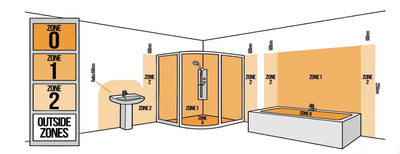
- This connects metal items within a room, like bathroom pipes, radiators, or towel rails, to each other.
- Helps reduce the risk of shock in wet areas.
Note: In newer UK homes, supplementary bonding in bathrooms may not be required if all circuits have RCD protection and meet certain standards.
Why is Earth Bonding So Important?
1. Protects from Electric Shock
If a fault causes a metal pipe to become live, bonding ensures the electricity has a safe path to travel. This helps protect you and your family.
2. Meets UK Wiring Regulations (BS 7671)
The IET Wiring Regulations require earth bonding in all homes and buildings. If your home doesn't meet these standards, it's considered unsafe.
3. Keeps Appliances and Plumbing Safe
Bonding ensures that all metal parts in your home are at the same electrical potential. This reduces the chance of electric current jumping between them.
4. Needed for Electrical Certificates
If you're selling or renting out a property in the UK, you must provide a valid electrical safety certificate. Missing bonding can fail the inspection.
Where Should Bonding Be Installed?
- Near the main water stopcock
- At the gas meter
- On any metal pipes entering the building
- In older homes: around bathroom fixtures
- Around central heating systems, boilers, and metal tanks
The bonding cables are usually green and yellow in colour and must be the correct thickness as per UK standards.
Who Should Install Earth Bonding?
Always hire a qualified electrician. DIY electrical work is not advised, especially when it involves safety systems. An electrician will ensure:
- Proper size of bonding cables
- Correct connection to main earth terminal
- Compliance with UK wiring regulations
How to Know if Your Home Has Proper Bonding
If you live in an older property, it’s worth getting an Electrical Installation Condition Report (EICR). This will tell you whether bonding is up to standard.
Signs your bonding might be outdated:
- No green/yellow cables at pipework
- Electric shocks from taps or radiators
- Lack of metal clamps with bonding labels
Is Earth Bonding the Same as Earthing?
No, they are related but not the same:
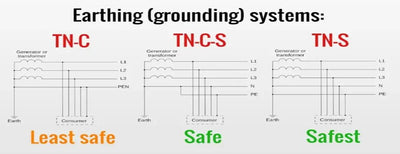
- Earthing connects electrical devices to the ground.
- Bonding connects metal parts to the earthing system.
Both, work together to ensure your home is electrically safe.
Final Thoughts
Earth bonding may be hidden behind walls and pipes, but it plays a very visible role in safety. In the UK, it's not just good practice — it's a legal requirement.
If you're upgrading your electrical system or buying a new property, always check the bonding. It's a small detail that can prevent big accidents.