Installing new electrical appliances at home can feel like a cost-saving DIY job, but in the UK, there are strict safety rules you must follow — especially when electricity is involved. Whether you're replacing a cooker, fitting a new electric shower, or adding a plug socket, it's important to understand what you can legally do yourself and when you need a qualified electrician.
This blog breaks down UK appliance installation rules in simple terms so you stay safe and compliant with the law.
Why Are Installation Rules So Strict in the UK?
Electricity can be dangerous if not handled correctly. In the UK, building regulations are designed to ensure all electrical work is safe, properly tested, and carried out by someone competent.
One important regulation is Part P of the Building Regulations, which applies to domestic electrical installations in England and Wales. It requires certain types of work to be notified to your local building control authority — usually via a certified electrician.
Appliances You Can Usually Install Yourself
There are some low-risk installations that you can legally and safely do yourself, especially if you follow the instructions carefully.
Here’s what’s usually allowed:
- Plug-in appliances: Like kettles, toasters, microwave ovens, or washing machines (if no wiring is needed).
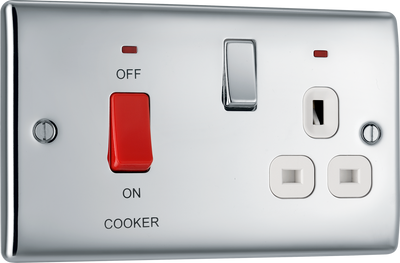
- Freestanding electric cookers: If there is already a cooker connection unit in place.
- Replacing like-for-like appliances: Such as swapping a dishwasher with the same type in the same position.
Important: Even if it’s legal, you should only carry out DIY installation if you feel confident and understand the appliance’s safety requirements.
What You Should Not Install Yourself
There are several types of installations that must be done by a qualified electrician or at least be signed off by one. These include:
- New wiring or extension of circuits
- Installing electric showers
- Fitting a new oven or hob that needs hardwiring
- Any work in bathrooms or kitchens (due to added water risk)
- Outdoor sockets and lighting
- Electric underfloor heating
Work in “special locations” such as bathrooms or outdoors is more heavily regulated because water and electricity are a dangerous mix.
What Is ‘Notifiable Work’?
Under Part P, certain electrical jobs are classed as notifiable work, meaning you must notify your local authority building control before starting (unless using a registered electrician who handles this for you).
Examples include:
- Installing a new circuit
- Replacing a consumer unit (fuse box)
- Adding lighting or sockets in bathrooms
- Any work outdoors
Failing to notify this work can result in a fine and problems when selling your home.
Who Can Do Electrical Work in the UK?
Only competent persons are allowed to carry out electrical installations. This includes:
- Qualified electricians registered with a recognised scheme such as NICEIC, ELECSA, or NAPIT.
- DIYers with good knowledge — but only for small, safe jobs (and not notifiable work).
Registered electricians can certify their own work and deal with the paperwork for you.
Common DIY Mistakes to Avoid
Even with small tasks, DIY electrical work can go wrong. Common mistakes include:
- Using the wrong size cable or fuse
- Loose connections that cause overheating
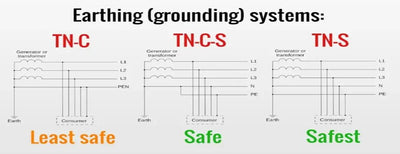
- No proper earthing or bonding
- Installing appliances too close to water sources
- Not using an RCD (Residual Current Device) for added safety
These may not only cause damage but can put your family at risk.
Electrical Appliance Installation in Bathrooms
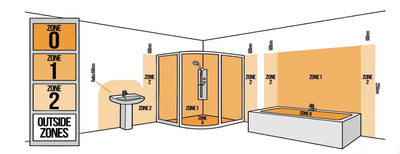
Bathrooms are considered high-risk areas, so special care is needed. The UK wiring regulations split the bathroom into zones (0, 1, 2) based on how close the installation is to water.
Only certain types of appliances and fittings can be used in these zones — and they must meet minimum IP ratings (Ingress Protection).
Unless you're very experienced, always use a qualified electrician for any bathroom installations.
Certificates You May Need
When electrical work is done by a qualified electrician, you should receive:
- Electrical Installation Certificate (EIC) or
- Minor Electrical Installation Works Certificate (MEIWC)
These documents prove the work meets UK safety standards. Keep them safe — you may need them if you sell your home or make an insurance claim.
When in Doubt, Always Ask
If you're ever unsure whether a job can be done yourself or needs to be notified, contact:
- Your local council's building control team
- Or consult a registered electrician for advice
The small cost of expert advice is worth the peace of mind.
Final Thoughts
DIY appliance installation in the UK can save time and money, but there are limits to what you can safely and legally do. Anything involving new wiring, high-powered devices, bathrooms, or outdoor spaces usually needs a qualified professional.
When safety, regulations, and long-term reliability are involved, it’s better not to take chances. Always follow the rules — and if in doubt, let an expert handle the work.
Shop the range at Kent Traders
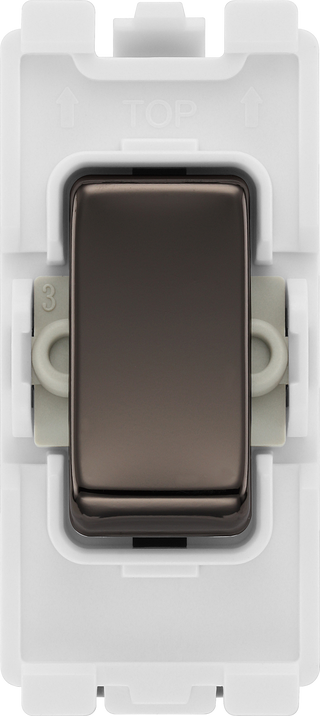
Fitting a cooker, hob or appliance circuit? Get the right switchgear at trade prices. Browse our UK trade range:
Shop cooker switches