Electric and mixer (sometimes called "manual" or "thermostatic") showers are the two main types in UK bathrooms. They work in completely different ways, so the right choice depends on your plumbing, your hot-water supply and how the bathroom is used.
How each type works
An electric shower takes only a cold mains feed and heats the water itself, on demand, with a built-in element — like a kettle in the wall. A mixer shower has no heater; it blends your existing stored hot and cold water to the temperature you set, so it relies entirely on your boiler or cylinder for hot water.
Electric showers: pros and cons
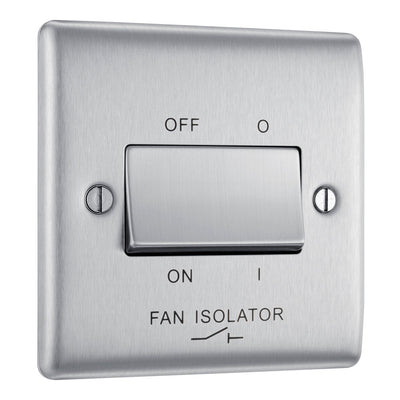
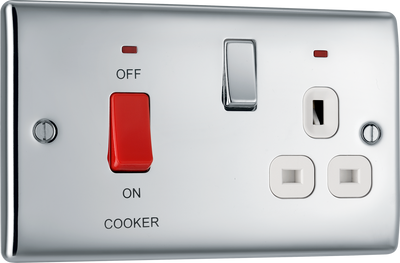
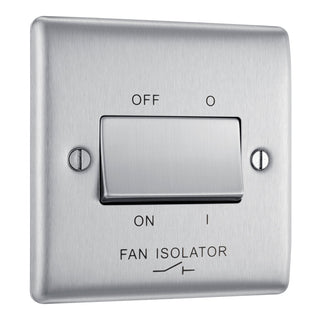
Because they make their own hot water, electric showers keep working if the boiler breaks down or the cylinder runs cold, and they only heat what you use, which can be efficient for occasional or single-person use. Output is rated in kilowatts (commonly 8.5kW, 9.5kW or 10.8kW): the higher the rating, the warmer the flow, especially in winter when the incoming mains is cold. They need a dedicated, correctly rated circuit and a 45A double-pole pull-cord isolator, and higher-output units (10.5kW and above) often need a 50A supply.
Mixer showers: pros and cons
Mixer showers generally give a more powerful, consistent shower and a better experience, particularly thermostatic models that hold temperature if someone runs a tap elsewhere. They need a good hot-water supply: a combi boiler with decent flow, or a vented cylinder often with a shower pump to boost pressure. They use more stored hot water, so they are less suited to homes where hot water is limited.
Which is best for your home?
| Factor | Electric shower | Mixer shower |
|---|---|---|
| Hot water source | Heats its own cold feed | Uses your stored hot water |
| Works if boiler is off | Yes | No |
| Flow and power | Moderate, drops in winter | Strong (best with good pressure/pump) |
| Best for | En-suites, second bathrooms, backup, single users | Main bathrooms with strong hot-water supply |
| Install | Plumber + electrician (dedicated circuit) | Plumber (plus pump if needed) |
Installation and regulations
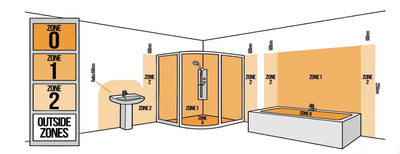
Both types must be installed to BS 7671 and sited outside the bathroom shower zones unless suitably rated. An electric shower is fixed electrical work: it needs its own circuit from the consumer unit and a 45A or 50A double-pole isolator, and the work is notifiable under Part P, so use a qualified electrician.
FAQs
Is an electric or mixer shower cheaper to run? Electric showers only heat what you use, which suits occasional use; mixer showers can be cheaper per shower if you already heat water efficiently with a combi or solar/heat-pump cylinder.
Do electric showers work with low water pressure? They work at lower pressure than mixers but still need a minimum flow; check the unit's required pressure before buying.
What kW electric shower should I choose? 8.5kW is entry level, 9.5kW is a good all-round choice, and 10.5 to 10.8kW gives the warmest winter flow but needs a larger supply.
Does a mixer shower need a pump? Often yes on a gravity-fed cylinder system, to get good pressure. Combi boilers usually do not need one.
Can I fit a shower myself? The plumbing may be DIY-able, but the electrical side of an electric shower is notifiable work for a qualified electrician.
Shop the range at Kent Traders
Upgrading a shower? We stock electric showers, complete mixer showers, valves and the 45A isolators they need. Browse our UK range:
Shop showers