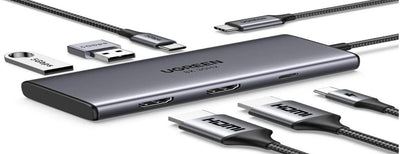
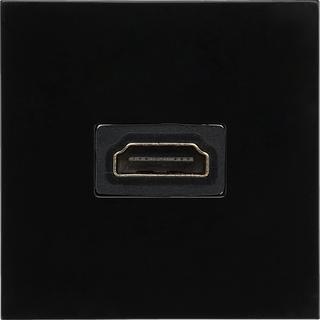
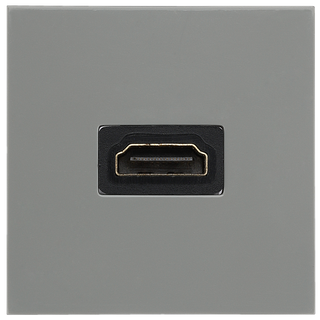
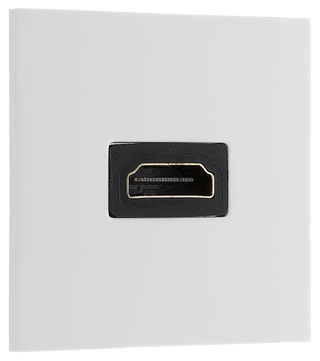
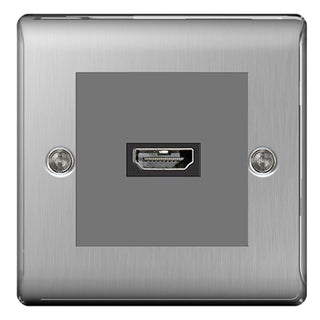
High-Definition Multimedia Interface, better known as HDMI, has become the universal standard for transmitting high-quality video and audio through a single cable. Whether you're connecting a gaming console, Blu-ray player, TV, monitor, or soundbar, an HDMI cable is essential for a seamless digital experience.
In this blog, we’ll break down everything you need to know about HDMI cables – from types and features to compatibility and performance. If you’re shopping for a new HDMI cable or just want to understand what all the fuss is about, this guide is for you.
What is an HDMI Cable?
An HDMI cable is a proprietary audio/video interface used to transmit uncompressed video data and compressed or uncompressed digital audio data. It's designed to simplify cabling by combining audio and video in one single connection. The technology was developed in the early 2000s and has since evolved into a must-have standard for most home entertainment and computing systems.
Types of HDMI Cables
There are several types of HDMI cables, each designed for different levels of performance:
- Standard HDMI Cable – Supports resolutions up to 1080i or 720p. Ideal for older HDTVs or non-4K devices.
- High-Speed HDMI Cable – Supports resolutions up to 4K at 30Hz. Also supports 3D, Deep Color, and higher refresh rates.
- Premium High-Speed HDMI Cable – Designed for 4K video at 60Hz with HDR. Recommended for Ultra HD and HDR-compatible devices.
- Ultra High-Speed HDMI Cable – Supports 4K at 120Hz and 8K at 60Hz. Features low EMI (electromagnetic interference) and eARC support.
Always choose the cable that suits your device’s resolution and refresh rate needs.
HDMI Cable Versions Explained
HDMI cables are also classified by versions, which represent the features and bandwidth supported:
- HDMI 1.4 – Introduced support for 3D, 4K at 30Hz, and Ethernet.
- HDMI 2.0 – Supports 4K at 60Hz, up to 32 audio channels, and dual video streams.
- HDMI 2.1 – Offers support for 8K at 60Hz, 4K at 120Hz, Dynamic HDR, and eARC.
For gaming consoles like the PS5 or Xbox Series X, HDMI 2.1 is the gold standard.
What to Look for When Buying an HDMI Cable
When shopping for an HDMI cable, consider the following:
- Length – Shorter cables are less prone to signal degradation.
- Build Quality – Look for braided designs, gold-plated connectors, and shielding to prevent interference.
- Compatibility – Ensure the cable supports the latest HDMI version of your devices.
- Certification – Certified cables (especially Premium or Ultra High-Speed) ensure performance standards are met.
HDMI vs. Other Video Cables
You might wonder how HDMI compares to older or alternative cables like VGA, DVI, or DisplayPort.
- HDMI vs. VGA: HDMI transmits both audio and video digitally. VGA only supports analog video.
- HDMI vs. DVI: DVI supports digital video but lacks audio.
- HDMI vs. DisplayPort: DisplayPort is often used in computing environments, offering higher bandwidth and daisy-chaining. However, HDMI remains the standard in consumer electronics.
In most home settings, HDMI is the most practical and widely supported option.
Common HDMI Cable Uses
HDMI cables are incredibly versatile and commonly used for:
- Connecting TVs to set-top boxes, game consoles, or media players
- Hooking up laptops to external monitors or projectors
- Linking AV receivers to home theatre systems
- Connecting soundbars to smart TVs via ARC or eARC
FAQs About HDMI Cables
Q1: Do expensive HDMI cables perform better?
Not necessarily. As long as a cable meets the right HDMI standard and is well-built, it will perform just as well as a pricier one.
Q2: Can HDMI cables go bad?
Yes. Over time, wear and tear can affect performance. If you notice signal dropouts, it might be time to replace the cable.
Q3: Is HDMI backward compatible?
Absolutely. Newer HDMI versions are generally backward compatible with older ports, though some features may be limited.
SEO Keywords to Target:
- HDMI cable types
- What is HDMI
- Best HDMI cable for 4K
- HDMI 2.1 vs 2.0
- HDMI cable compatibility
- Buy HDMI cable online
- HDMI cable for gaming
- Ultra High-Speed HDMI
Final Thoughts
Understanding HDMI cables is essential in today’s digital world. Whether you’re setting up a simple TV or a full-fledged home theatre, the right HDMI cable ensures top-notch video and audio performance. Investing in the correct type and version not only guarantees compatibility but also unlocks the full potential of your devices. And remember—fancy branding doesn't always mean better performance; specs and certification matter more.
Need help choosing the right HDMI cable? Drop your questions in the comments or explore our curated collection of certified high-speed HDMI cables for every need.