The Power of Wall Mirrors in Interior Design

Wall mirrors are more than simple home accessories—they’re a clever and stylish way to upgrade your interiors. These versatile decor pieces can enhance a room’s lighting, boost its aesthetic appeal, and even make compact areas appear larger. Whether you live in a cozy apartment or a spacious house, wall mirrors can help you redefine your space with elegance and functionality. Let’s take a closer look at the key advantages of incorporating wall mirrors into your interior design.

1. Brighten Up Any Room

Mirrors naturally reflect light, which helps to brighten even the darkest corners of a home. When placed near a window or opposite one, a mirror can reflect sunlight across the room, instantly boosting brightness and creating a fresh, airy feel. This trick works wonders in small rooms or areas with limited natural light.

Design Tip: Opt for frameless or lightly framed large mirrors to allow for maximum light distribution.

2. Make Small Spaces Feel Bigger

Using mirrors to visually expand a room is a classic interior design technique. By reflecting both the space and its surroundings, a mirror gives the illusion of greater depth and openness. This makes them perfect for narrow hallways, compact bathrooms, or small bedrooms.

Design Tip: A full-length mirror or a mirrored wall can dramatically open up a room’s appearance.

3. Elevate Your Decor Style

Available in countless styles—from antique finishes to modern minimalist designs—wall mirrors can be a true reflection of your personal taste. Whether you’re going for a bold, glamorous look or subtle sophistication, mirrors serve as beautiful decor elements that complement a wide range of interior themes.

Design Tip: Combine several small mirrors in varied shapes to create a unique gallery wall, or go with a statement mirror to anchor a room.

4. Highlight Key Features

Mirrors can be used to bring attention to specific areas or decorative elements in your home. Placing a mirror above a console table, sofa, or fireplace enhances the space and directs the eye toward that focal point. You can also use mirrors to reflect artwork, lighting fixtures, or outdoor views to create double the impact.

Design Tip: Always place mirrors where they reflect something visually appealing rather than clutter or blank walls.

5. Functional Everyday Use

Apart from being decorative, wall mirrors are incredibly practical. In entryways, they allow for a quick appearance check before heading out. In bedrooms and bathrooms, they are essential for grooming and getting ready. Their dual purpose makes them a smart addition to nearly any room.

Design Tip: For added functionality, use mirrors with built-in LED lighting in dressing or vanity areas.

6. Achieve Balance and Symmetry

In interior design—and particularly in feng shui—mirrors are often used to create a balanced and harmonious environment. They help in correcting design imbalances, such as awkward corners or uneven layouts. Mirrors can also bring symmetry to a space when placed strategically with other decor items.

Design Tip: Use mirrors to balance visual weight by placing them above symmetrical arrangements like twin nightstands or lamps.

7. Add Layers and Visual Depth

Mirrors add depth and dimension, especially in flat or minimally decorated rooms. When layered with textures, patterns, and light, they contribute to a rich and interesting visual experience. This layered look makes a room feel thoughtfully designed and more dynamic.

Design Tip: Position mirrors behind decorative objects like candles, plants, or vases for added layering and visual interest.

8. Affordable Room Makeover

If you're looking for a budget-friendly way to enhance your interiors, mirrors offer great value. They can instantly update the look and feel of a space without requiring major renovations. Plus, they’re easy to move, swap out, or reposition as your style evolves.

Design Tip: Explore thrift shops or online platforms to find unique, stylish mirrors that won’t break the bank.

Summary

Wall mirrors are a timeless and adaptable addition to any room. Whether your goal is to make a space feel larger, brighter, or more stylish, mirrors deliver both beauty and function. They’re not just reflective surfaces—they’re creative tools that can completely transform the atmosphere of your home.

So if you're planning your next design update, consider incorporating wall mirrors. With the right placement and style, these versatile pieces can truly bring your interiors to life.
Previous articleThings to Keep in Mind When Buying a Hair Dryer All articles Next articleUnderstanding HDMI Cables: Everything You Need to Know (2025 Guide)

RELATED ARTICLES

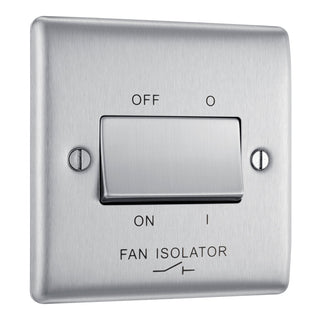
BG 3-pole fan isolator switch
Do you need a fan isolator switch? 3-pole isolators explained

Why timer and overrun extractor fans need a 3-pole fan isolator switch, where to fit it, and how to choose one.

BG 45A cooker switch
Which cooker switch do I need? 45A cooker switches explained (UK)

45A vs 32A, single vs double pole, with or without a socket, and where a UK cooker switch should go under BS 7671.

Power Factor in Household Appliances
Power Factor in Household Appliances: Why It Matters in UK Electrical Systems

Most discussions around electrical appliances focus on power consumption in watts, but another important factor often ignored in domestic settings is power factor. While...

Voltage Drop in UK Electrical Circuits
Voltage Drop in UK Electrical Circuits: Impact on Appliances and How to Manage It

Voltage drop is an important factor in electrical installations, especially in UK homes where multiple appliances operate across different circuits. If not properly managed,...

What Are the Types of USB Socket
What Are the Types of USB Socket? A Complete Guide for UK Homes

USB charging has become a standard part of everyday life. From smartphones and tablets to smart devices, most modern electronics rely on USB power....

IP Ratings for Socket Outlets in the UK
IP Ratings for Socket Outlets in the UK: Understanding Protection Levels and Applications

Ingress Protection (IP) ratings are an important consideration when selecting socket outlets for different environments in the UK. Not all sockets are suitable for...

Socket Outlet Polarity in the UK
Socket Outlet Polarity in the UK: Importance, Testing and Fault Risks

Correct polarity is a fundamental requirement in UK electrical installations, especially for socket outlets. Even if a socket appears to function normally, incorrect polarity...

Socket Outlet Back Boxes in the UK
Socket Outlet Back Boxes in the UK: Types, Depth Requirements and Installation Standards

Quick answer: The back box depth you need depends on the accessory: 25mm suits most flush light switches and single sockets, 35mm gives extra...

Floor Socket Outlets in the UK
Floor Socket Outlets in the UK: Applications, Installation and Safety Considerations

Floor socket outlets are a specialised type of electrical outlet installed directly into the floor rather than on walls. They are increasingly used in...

Smart Electrical Outlets in UK Homes
Smart Electrical Outlets in UK Homes: Technology, Energy Control and Installation Considerations

Smart electrical outlets are becoming a popular addition to modern UK homes. These outlets allow users to control connected appliances remotely using smartphones, voice...

USB Electrical Outlets in UK Homes
USB Electrical Outlets in UK Homes: Design, Load Considerations and Installation

As modern homes rely more on mobile devices, USB socket outlets have become increasingly popular in the UK. These outlets combine traditional plug sockets...

Residual Current Devices in UK Appliances Circuits
Residual Current Devices (RCDs) in UK Appliances Circuits: Why They Are Essential for Electrical Safety

Electrical safety is a major concern in modern UK homes and workplaces. With the increasing use of electric appliances such as washing machines, kettles,...

Portable Appliance Testing (PAT) in the UK
Portable Appliance Testing (PAT) in the UK: Technical Procedure and Compliance Requirements

Portable Appliance Testing (PAT) is a critical safety process for electrical appliances used in workplaces, rental properties, schools and construction sites across the UK....

Inrush Current in UK Electric Appliances and Power Tools
Inrush Current in UK Electric Appliances and Power Tools: Circuit Design and Protection Essentials

Inrush current is an important but often overlooked factor in UK electrical installations. Many electric appliances and professional power tools draw a short but...

Earthing System Types in the UK
Earthing System Types in the UK: TN-S, TN-C-S and TT System Design Considerations

Understanding earthing arrangements is critical for safe and compliant installations. In the UK, the primary earthing systems are TN-S, TN-C-S (PME), and TT systems....

Smart Meters in UK Homes
Smart Meters in UK Homes: How They Help You Monitor Electricity Usage

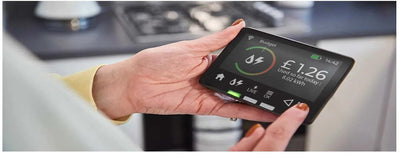
Smart meters have become increasingly common across the UK. Many energy suppliers now install them as standard, helping households better understand how much electricity...

Shop products from this guide