Things to Keep in Mind When Buying a Hair Dryer

A hair dryer is more than just a beauty tool—it’s a key part of your daily hair care routine. Whether you want a smooth, salon-like finish, more volume, or just need to dry your hair quickly, picking the right dryer can make a noticeable difference. But with so many choices available, it’s easy to feel confused. To make your decision easier, here are some important things to consider before buying a hair dryer.

1. Know Your Hair Type

Different hair types need different kinds of dryers. Understanding your hair’s texture and thickness will help you find one that suits your needs:

  • Fine or delicate hair: Go for a dryer with lower heat settings and ionic technology to prevent damage.
  • Thick or coarse hair: Choose a dryer with a higher wattage (around 1800–2000W) to speed up drying.
  • Curly or frizzy hair: A diffuser and ceramic technology help manage frizz and define curls.

2. Wattage is Key

The power of a hair dryer is measured in watts, and this affects how quickly it can dry your hair. Higher wattage means more powerful airflow and heat, which leads to faster drying and less heat damage.

  • For home use, a dryer between 1800 to 2000 watts is usually ideal.
  • Anything under 1500 watts may be too weak for thicker hair and can take longer to dry.

3. Adjustable Heat and Speed Settings

A good-quality hair dryer should offer at least two heat settings and two-speed settings, along with a cool shot feature. This lets you control how much heat your hair is exposed to, which is especially important for maintaining healthy hair.

  • Lower settings: Best for thin or fragile hair.
  • Higher settings: Useful for thick or coarse hair.
  • Cool shot button: Helps to set your hairstyle in place and adds a natural shine.

4. Choose the Right Technology

Many modern hair dryers come with advanced technology that enhances performance while protecting your hair.

  • Ionic dryers: Break down water molecules faster and reduce frizz—great for thick or frizzy hair.
  • Ceramic or tourmaline dryers: Distribute heat evenly and are gentle on hair, making them a good all-around choice.
  • Titanium dryers: Heat up quickly and maintain consistent temperature, ideal for thick hair but may be too hot for fine or damaged hair.

5. Weight and Ease of Use

If you spend a lot of time drying or styling your hair, a heavy dryer can become uncomfortable to hold. Look for one that’s lightweight and easy to handle, especially if you use it daily. Ergonomic designs can also reduce strain on your hands and wrists.

6. Attachments Can Make a Difference

Check if the hair dryer comes with useful attachments, or if they’re available separately. Some common and helpful ones include:

  • Concentrator nozzle: Directs airflow for straightening and sleek styles.
  • Diffuser: Spreads air evenly and defines curls while reducing frizz.
  • Comb attachment: Helps straighten and detangle hair during drying.

7. Check the Noise Level

Some hair dryers are quite loud, especially those with high-powered motors. If you're sensitive to noise or often style your hair early in the morning or late at night, consider models labeled as “low noise” or “quiet.”

8. Durability and Warranty

Your hair dryer should last you a while, so it’s worth choosing a brand known for reliability. Look for dryers that come with a warranty (typically 1–2 years), and take time to read customer reviews for insights on how long the product lasts and how helpful the customer service is.

9. Price vs. Features

While budget is important, don’t compromise on essential features just to save money. A quality dryer may cost a bit more but can help protect your hair and last longer. Still, there are plenty of affordable options that perform well—you just need to find one with the right balance.

10. Travel-Friendly Features

If you’re often on the move, look for a compact dryer with foldable handles and dual voltage support, which allows you to use it in different countries without a converter.

Conclusion

The right hair dryer can transform your styling routine and improve your hair’s health over time. By keeping your hair type and styling habits in mind and focusing on features that offer both protection and convenience, you can invest in a tool that delivers great results without damage.

Take your time, do your research, and choose a dryer that works best for you—your hair will thank you!
Previous articleSave On Electricity Bills This Year With These Smart Power Solutions All articles Next articleThe Power of Wall Mirrors in Interior Design

RELATED ARTICLES

BG 3-pole fan isolator switch
Do you need a fan isolator switch? 3-pole isolators explained

Why timer and overrun extractor fans need a 3-pole fan isolator switch, where to fit it, and how to choose one.

BG 45A cooker switch
Which cooker switch do I need? 45A cooker switches explained (UK)

45A vs 32A, single vs double pole, with or without a socket, and where a UK cooker switch should go under BS 7671.

Power Factor in Household Appliances
Power Factor in Household Appliances: Why It Matters in UK Electrical Systems

Most discussions around electrical appliances focus on power consumption in watts, but another important factor often ignored in domestic settings is power factor. While...

Voltage Drop in UK Electrical Circuits
Voltage Drop in UK Electrical Circuits: Impact on Appliances and How to Manage It

Voltage drop is an important factor in electrical installations, especially in UK homes where multiple appliances operate across different circuits. If not properly managed,...

What Are the Types of USB Socket
What Are the Types of USB Socket? A Complete Guide for UK Homes

USB charging has become a standard part of everyday life. From smartphones and tablets to smart devices, most modern electronics rely on USB power....

IP Ratings for Socket Outlets in the UK
IP Ratings for Socket Outlets in the UK: Understanding Protection Levels and Applications

Ingress Protection (IP) ratings are an important consideration when selecting socket outlets for different environments in the UK. Not all sockets are suitable for...

Socket Outlet Polarity in the UK
Socket Outlet Polarity in the UK: Importance, Testing and Fault Risks

Correct polarity is a fundamental requirement in UK electrical installations, especially for socket outlets. Even if a socket appears to function normally, incorrect polarity...

Socket Outlet Back Boxes in the UK
Socket Outlet Back Boxes in the UK: Types, Depth Requirements and Installation Standards

Quick answer: The back box depth you need depends on the accessory: 25mm suits most flush light switches and single sockets, 35mm gives extra...

Floor Socket Outlets in the UK
Floor Socket Outlets in the UK: Applications, Installation and Safety Considerations

Floor socket outlets are a specialised type of electrical outlet installed directly into the floor rather than on walls. They are increasingly used in...

Smart Electrical Outlets in UK Homes
Smart Electrical Outlets in UK Homes: Technology, Energy Control and Installation Considerations

Smart electrical outlets are becoming a popular addition to modern UK homes. These outlets allow users to control connected appliances remotely using smartphones, voice...

USB Electrical Outlets in UK Homes
USB Electrical Outlets in UK Homes: Design, Load Considerations and Installation

As modern homes rely more on mobile devices, USB socket outlets have become increasingly popular in the UK. These outlets combine traditional plug sockets...

Residual Current Devices in UK Appliances Circuits
Residual Current Devices (RCDs) in UK Appliances Circuits: Why They Are Essential for Electrical Safety

Electrical safety is a major concern in modern UK homes and workplaces. With the increasing use of electric appliances such as washing machines, kettles,...

Portable Appliance Testing (PAT) in the UK
Portable Appliance Testing (PAT) in the UK: Technical Procedure and Compliance Requirements

Portable Appliance Testing (PAT) is a critical safety process for electrical appliances used in workplaces, rental properties, schools and construction sites across the UK....

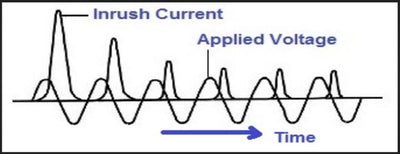
Inrush Current in UK Electric Appliances and Power Tools
Inrush Current in UK Electric Appliances and Power Tools: Circuit Design and Protection Essentials

Inrush current is an important but often overlooked factor in UK electrical installations. Many electric appliances and professional power tools draw a short but...

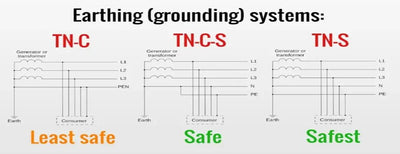
Earthing System Types in the UK
Earthing System Types in the UK: TN-S, TN-C-S and TT System Design Considerations

Understanding earthing arrangements is critical for safe and compliant installations. In the UK, the primary earthing systems are TN-S, TN-C-S (PME), and TT systems....

Smart Meters in UK Homes
Smart Meters in UK Homes: How They Help You Monitor Electricity Usage

Smart meters have become increasingly common across the UK. Many energy suppliers now install them as standard, helping households better understand how much electricity...

Shop products from this guide