Save On Electricity Bills This Year With These Smart Power Solutions

Electricity bills are steadily rising, and many households are feeling the pressure of monthly energy costs. The good news? You don’t need to completely overhaul your lifestyle or invest in solar panels to make a difference. By switching to smart power solutions, you can significantly reduce your electricity usage—without compromising on comfort or convenience.

From intelligent plugs to energy-efficient lighting, technology now offers smarter ways to manage power. If you're looking to cut costs and live greener, here are some of the top smart power solutions to help you save on electricity bills this year.

1. Smart Plugs – Control Your Power Consumption Effortlessly

Smart plugs are small, affordable devices that plug into your existing wall sockets. Once connected, you can control any plugged-in device remotely using a smartphone app or voice assistant.

How They Help Save Energy:

  • Schedule on/off times for appliances like coffee makers, TVs, or heaters so they don’t run unnecessarily.
  • Track energy usage for individual devices and identify the biggest energy hogs.
  • Turn off devices remotely that you forgot to switch off before leaving home.

Smart plugs are especially useful for cutting standby power—the energy used by appliances that are plugged in but not in use. TVs, gaming consoles, and chargers are often silent culprits.

2. LED Lighting – A Brighter, Cheaper Alternative

Switching from traditional incandescent or CFL bulbs to LED lighting is one of the easiest and most effective ways to save on electricity bills. LEDs use up to 80% less energy and last significantly longer.

Smart Upgrade:

Install smart LED bulbs that allow you to:

  • Adjust brightness and color temperature
  • Set timers or motion-sensing controls
  • Turn lights on/off remotely or automatically based on routines

These features ensure that lights are only on when needed, helping to avoid unnecessary energy usage in empty rooms.

3. Smart Thermostats – Smarter Climate Control, Lower Bills

Heating and cooling typically account for the largest portion of household energy bills. Smart thermostats help optimize your energy usage by learning your schedule and preferences over time.

Key Benefits:

  • Adjust temperature settings automatically when you’re away or asleep
  • Control the temperature remotely via an app
  • Receive insights and reports to track energy-saving patterns

By maintaining a balanced indoor climate and preventing overuse, smart thermostats can save up to 20% on heating and cooling bills annually.

4. Energy Monitoring Systems – Know What You’re Using

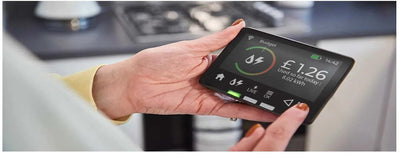
You can’t reduce what you don’t measure. Whole-home energy monitors give you real-time insights into your energy usage across all appliances. Some systems even break down usage by device or room.

How They Help:

  • Spot energy-intensive appliances
  • Detect unusual usage spikes
  • Create energy-saving strategies based on data

Armed with this information, you can make more informed decisions and take action where it matters most.

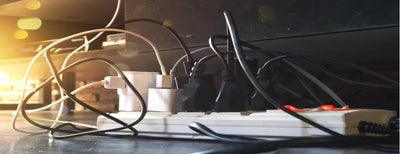
5. Smart Power Strips – Combat Phantom Load Automatically

Many devices consume power even when they’re off—this is called phantom load or vampire power. Smart power strips detect when a device isn’t in active use and automatically cut power to it.

Ideal For:

  • Home entertainment systems
  • Office equipment like monitors and printers
  • Charging stations

Some models also come with timers or motion sensors, adding extra layers of energy efficiency.

6. Solar-Powered Smart Gadgets – Tap Into Free Energy

Solar-powered smart devices are great for outdoor use and can help reduce dependency on grid power. Think solar garden lights, solar security cameras, and even solar-powered chargers.

They may seem small, but over time, they add up to meaningful savings—especially in regions with ample sunlight.

Bonus Tips for Maximizing Your Smart Power Setup

  • Use voice assistants (like Alexa or Google Assistant) to control devices hands-free.
  • Group devices into routines (e.g., “Good Night” turns off all lights and plugs).
  • Use geo-fencing features to turn devices off when you leave the house automatically.
  • Review your energy usage reports monthly to track progress and adjust settings.

Summary

Saving money on electricity doesn't require drastic lifestyle changes—just smarter choices. With the right combination of smart plugs, LED lighting, energy monitoring, and intelligent climate control, you can enjoy modern comfort while cutting down on waste and cost.
Previous articlePaint Your Home with Ambience This Autumn All articles Next articleThings to Keep in Mind When Buying a Hair Dryer

RELATED ARTICLES

BG 3-pole fan isolator switch
Do you need a fan isolator switch? 3-pole isolators explained

Why timer and overrun extractor fans need a 3-pole fan isolator switch, where to fit it, and how to choose one.

BG 45A cooker switch
Which cooker switch do I need? 45A cooker switches explained (UK)

45A vs 32A, single vs double pole, with or without a socket, and where a UK cooker switch should go under BS 7671.

Power Factor in Household Appliances
Power Factor in Household Appliances: Why It Matters in UK Electrical Systems

Most discussions around electrical appliances focus on power consumption in watts, but another important factor often ignored in domestic settings is power factor. While...

Voltage Drop in UK Electrical Circuits
Voltage Drop in UK Electrical Circuits: Impact on Appliances and How to Manage It

Voltage drop is an important factor in electrical installations, especially in UK homes where multiple appliances operate across different circuits. If not properly managed,...

What Are the Types of USB Socket
What Are the Types of USB Socket? A Complete Guide for UK Homes

USB charging has become a standard part of everyday life. From smartphones and tablets to smart devices, most modern electronics rely on USB power....

IP Ratings for Socket Outlets in the UK
IP Ratings for Socket Outlets in the UK: Understanding Protection Levels and Applications

Ingress Protection (IP) ratings are an important consideration when selecting socket outlets for different environments in the UK. Not all sockets are suitable for...

Socket Outlet Polarity in the UK
Socket Outlet Polarity in the UK: Importance, Testing and Fault Risks

Correct polarity is a fundamental requirement in UK electrical installations, especially for socket outlets. Even if a socket appears to function normally, incorrect polarity...

Socket Outlet Back Boxes in the UK
Socket Outlet Back Boxes in the UK: Types, Depth Requirements and Installation Standards

Quick answer: The back box depth you need depends on the accessory: 25mm suits most flush light switches and single sockets, 35mm gives extra...

Floor Socket Outlets in the UK
Floor Socket Outlets in the UK: Applications, Installation and Safety Considerations

Floor socket outlets are a specialised type of electrical outlet installed directly into the floor rather than on walls. They are increasingly used in...

Smart Electrical Outlets in UK Homes
Smart Electrical Outlets in UK Homes: Technology, Energy Control and Installation Considerations

Smart electrical outlets are becoming a popular addition to modern UK homes. These outlets allow users to control connected appliances remotely using smartphones, voice...

USB Electrical Outlets in UK Homes
USB Electrical Outlets in UK Homes: Design, Load Considerations and Installation

As modern homes rely more on mobile devices, USB socket outlets have become increasingly popular in the UK. These outlets combine traditional plug sockets...

Residual Current Devices in UK Appliances Circuits
Residual Current Devices (RCDs) in UK Appliances Circuits: Why They Are Essential for Electrical Safety

Electrical safety is a major concern in modern UK homes and workplaces. With the increasing use of electric appliances such as washing machines, kettles,...

Portable Appliance Testing (PAT) in the UK
Portable Appliance Testing (PAT) in the UK: Technical Procedure and Compliance Requirements

Portable Appliance Testing (PAT) is a critical safety process for electrical appliances used in workplaces, rental properties, schools and construction sites across the UK....

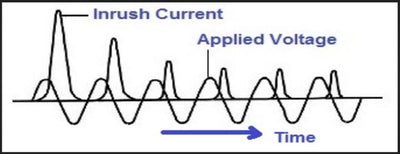
Inrush Current in UK Electric Appliances and Power Tools
Inrush Current in UK Electric Appliances and Power Tools: Circuit Design and Protection Essentials

Inrush current is an important but often overlooked factor in UK electrical installations. Many electric appliances and professional power tools draw a short but...

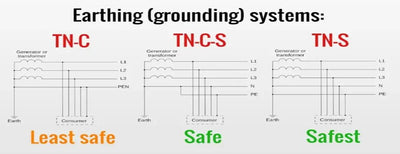
Earthing System Types in the UK
Earthing System Types in the UK: TN-S, TN-C-S and TT System Design Considerations

Understanding earthing arrangements is critical for safe and compliant installations. In the UK, the primary earthing systems are TN-S, TN-C-S (PME), and TT systems....

Smart Meters in UK Homes
Smart Meters in UK Homes: How They Help You Monitor Electricity Usage

Smart meters have become increasingly common across the UK. Many energy suppliers now install them as standard, helping households better understand how much electricity...

Shop products from this guide