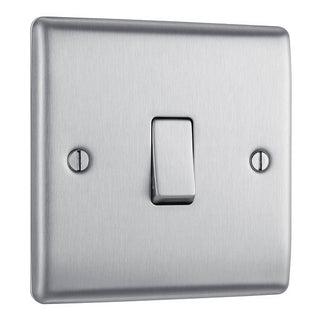
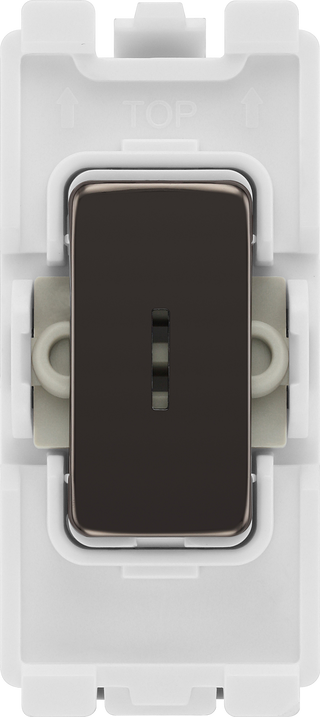
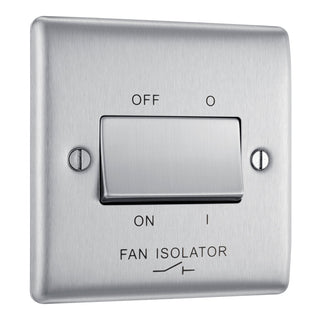
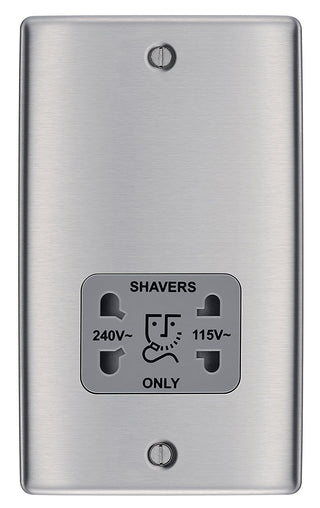
Selling wall mount switches in the global market opens up exciting opportunities—but it also comes with strict regulatory requirements. From ensuring safety and performance to meeting environmental standards, product certifications are a critical step to gaining customer trust and legal approval in various countries.
In this blog, we’ll walk you through the top 10 electrical product certifications you’ll need to sell wall mount switches internationally. Whether you’re exporting to the EU, North America, or Asia, these certifications are essential for compliance and market entry.
1. CE Marking (Europe)
Region: European Union
Purpose: Ensures compliance with EU safety, health, and environmental protection standards.
Why it matters: It’s mandatory for most electrical products in the EU. Without the CE mark, your product can't be legally sold in Europe.
To get CE certified, wall switches must meet relevant directives like the Low Voltage Directive (LVD) and Electromagnetic Compatibility (EMC) Directive.
2. UL Certification (United States)
Region: United States
Purpose: Demonstrates that the product has been tested and meets safety standards by Underwriters Laboratories.
Why it matters: Retailers and regulators in the U.S. often require UL listing for electrical devices to ensure consumer safety.
For wall mount switches, UL 20 is the standard applied for general-use snap switches.
3. FCC Certification (United States)
Region: United States
Purpose: Ensures that electronic devices do not interfere with radio frequency and communication equipment.
Why it matters: Even simple switches with smart features or RF elements require FCC clearance.
Applies especially if your switch includes wireless control or IoT integration.
4. CSA Certification (Canada)
Region: Canada
Purpose: Confirms the product complies with Canadian safety standards, issued by the Canadian Standards Association.
Why it matters: Products without CSA approval may not be accepted by Canadian electrical inspectors.
It’s similar to UL in terms of testing procedures but specifically tailored for the Canadian market.
5. CCC (China Compulsory Certification)
Region: China
Purpose: Certifies that the product complies with Chinese safety and quality standards.
Why it matters: It’s mandatory for over 130 product categories in China, including electrical switches.
Getting CCC certified involves local testing and factory inspections.
6. PSE Mark (Japan)
Region: Japan
Purpose: Regulates electrical appliances under the Electrical Appliance and Material Safety Law.
Why it matters: Products without a valid PSE mark cannot be sold legally in Japan.
Wall switches fall under the “Specified Electrical Appliances,” requiring strict compliance.
7. BIS Certification (India)
Region: India
Purpose: Issued by the Bureau of Indian Standards, certifies product safety and quality.
Why it matters: Wall switches are part of the compulsory certification list in India.
BIS certification includes in-country testing and regular surveillance audits.
8. EAC Mark (Eurasian Customs Union – Russia, Belarus, Kazakhstan, etc.)
Region: Eurasian Economic Union
Purpose: Demonstrates conformity with technical regulations of the EAEU.
Why it matters: Similar to CE but applicable in Russia and neighboring countries.
You’ll need to comply with the TR CU 004/2011 standard for low-voltage equipment.
9. SAA Approval (Australia/New Zealand)
Region: Australia, New Zealand
Purpose: Ensures electrical products comply with safety standards in the region.
Why it matters: Non-compliant products can be barred from import or sale.
Wall mount switches must meet AS/NZS 3133 standards to receive SAA approval.
10. RoHS Compliance (Global, EU in particular)
Region: Mainly Europe, but widely adopted globally
Purpose: Restricts the use of hazardous substances in electrical and electronic equipment.
Why it matters: Non-compliant products may be banned from the market and are viewed as environmentally unfriendly.
RoHS ensures your switches are free from harmful chemicals like lead, mercury, and cadmium.
Gaining access to global markets with your wall mount switches is exciting—but ensuring compliance through proper certification is non-negotiable. Each region has its own unique set of regulations, so it’s critical to identify your target markets early and align your product design, testing, and documentation accordingly.
Partnering with certification bodies and compliance consultants can streamline the process and help you avoid costly delays.
Pro tip: Start your compliance journey during the product design phase to minimize redesign costs and accelerate market entry.