If you're installing a new electrical appliance like a boiler, oven, or underfloor heating system, you'll likely come across something called a fused spur. This small but important device helps keep your home’s electrical system safe and efficient. In this guide, we’ll explain what fused spurs are, why they’re important, where to use them, and how they’re installed—especially for homes in the UK.
What is a Fused Spur?
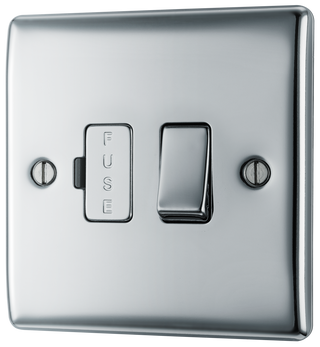
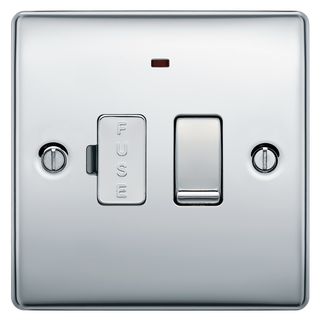
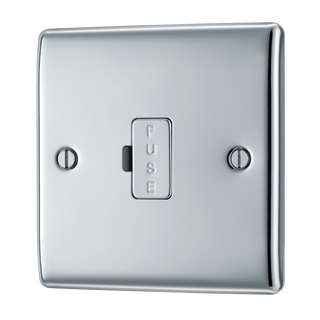
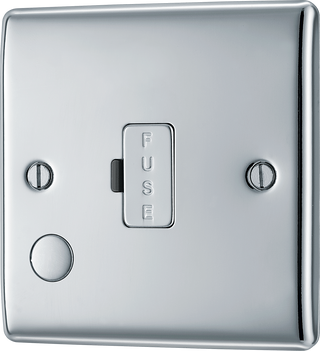
A fused spur (also known as a fused connection unit or FCU) is a device used to connect an appliance to your home’s ring main circuit. It includes a built-in fuse that protects the appliance by cutting off power if there’s too much current.
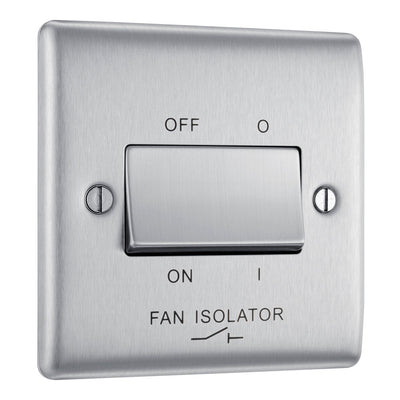
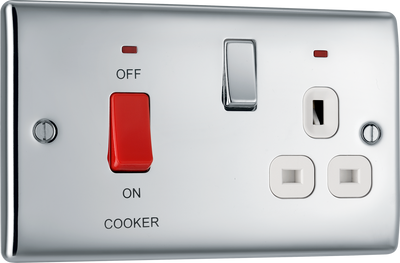
Fused spurs are typically used for appliances that are hardwired, meaning they don’t use a standard plug and socket. These include:
- Boilers
- Cookers and ovens
- Heated towel rails
- Bathroom fans
- Electric underfloor heating
Why Are Fused Spurs Important?
Fused spurs are useful for several reasons:
1. Built-in Safety
Each unit has a fuse that will break the circuit if too much electricity flows through it. This prevents overheating, fire risks, and damage to appliances.
2. Permanent Connection
They are perfect for appliances that stay connected all the time and don’t need to be unplugged.
3. Tidy and Space-Saving
Fused spurs don’t require a bulky plug, making them ideal for areas where space is limited or where you want a cleaner look.
4. Meet UK Regulations
They follow British electrical standards (BS 1363 and BS 7671), making them a safe and legal choice for your home.
Types of Fused Spurs
There are two main types of fused spurs:
|
Type |
Description |
Best Used For |
|
Switched Fused Spur |
Has an on/off switch and sometimes an indicator light |
Ovens, dishwashers, boilers |
|
Unswitched Fused Spur |
No switch, always powered |
Towel rails, heating systems, smoke alarms |
Common Uses for Fused Spurs
Here are some examples of where fused spurs are commonly used and the typical fuse rating required:
|
Appliance |
Spur Type |
Fuse Rating |
|
Electric oven |
Switched |
13A |
|
Washing machine |
Switched |
13A |
|
Boiler |
Switched |
3A–5A |
|
Towel rail |
Unswitched |
3A–5A |
|
Bathroom fan |
Unswitched |
3A |
Always check the manufacturer’s instructions for the correct fuse size.
How to Install a Fused Spur (Basic Overview)
Note: For safety and to meet UK regulations, it’s always best to hire a qualified electrician.
Steps to Install a Fused Spur:
- Turn off the electricity at the fuse box.
- Locate the existing ring main circuit and connect a new cable to create the spur.
- Fix a back box to the wall if needed.
- Connect the live (brown), neutral (blue), and earth (green/yellow) wires correctly.
- Insert the correct fuse (based on the appliance load).
- Secure the fused spur unit and switch the power back on to test it.
Important: You should not spur off another spur. Only one fused spur should come from each socket on a ring circuit to avoid overloading.
UK Wiring Rules for Fused Spurs
When using or installing fused spurs, follow these basic UK regulations:
- The fuse should not exceed 13 amps.
- The unit must be easily accessible.
- RCD (residual current device) protection is required in areas like bathrooms and kitchens.
- Use cable sizes appropriate to the appliance and load (usually 2.5mm² for most cases).
Alternatives to Fused Spurs
Here’s how fused spurs compare with other options:
|
Option |
Good For |
Drawbacks |
|
Fused spur |
Fixed, high-power appliances |
Not suitable for portable devices |
|
Standard plug socket |
Easy to use and unplug |
No dedicated protection for individual appliances |
|
Smart switch |
Remote control and automation |
More expensive and complex |
|
Non-fused connection unit |
Clean appearance |
No internal fuse protection |
Tips for Choosing the Right Fused Spur
- Use a switched fused spur for appliances you may need to turn off easily.
- Use an unswitched spur for things that stay on constantly and are hidden from view.
- Match the fuse rating to the appliance's power requirement.
- Always use the correct cable size.
- Never connect a spur to another spur.
Summary
A fused spur is a safe, tidy, and compliant way to connect fixed appliances in your home. Whether it’s a bathroom towel rail or a kitchen oven, this simple device ensures that your appliances are protected from electrical faults.
Key Points to Remember:
- Use fused spurs for fixed appliances like boilers, fans, and ovens.
- Make sure the fuse rating matches the appliance's power needs.
- Always follow UK wiring standards and hire an electrician when needed.
Shop the range at Kent Traders
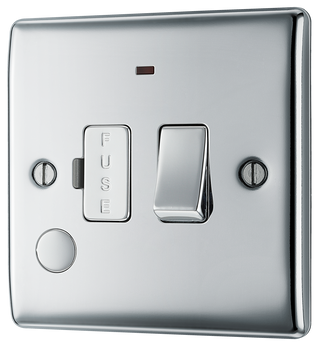
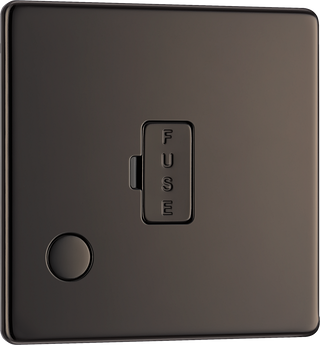
Choosing a fused spur or connection unit? We stock switched, unswitched and flex-outlet units. Browse our UK trade range:
Shop fused spurs