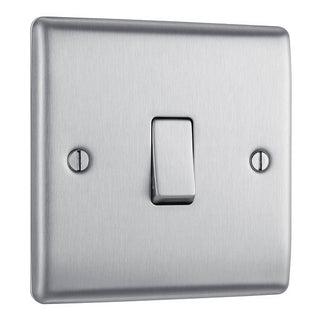
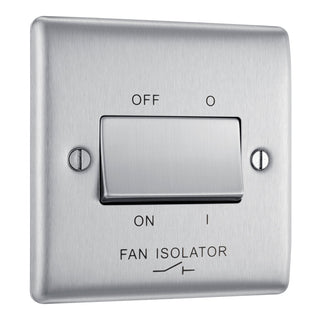
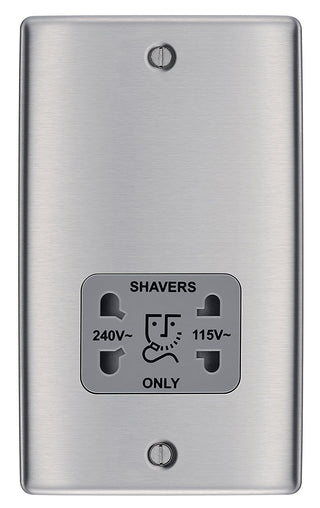
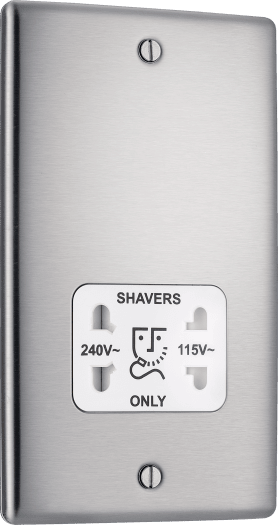
Spotlight on the Brushed Brass Finish

When it comes to home décor, the smallest details can make the biggest impact. One of those details is the finish of your fixtures—whether it’s your cabinet handles, faucets, light fittings, or even door knobs. Among the many finishes available today, brushed brass is having a serious moment in the spotlight.

Elegant, warm, and timeless, brushed brass is quickly becoming a favorite among homeowners, interior designers, and architects alike. But what exactly is brushed brass? And why is everyone falling in love with it? Let’s break it down.

What is Brushed Brass?

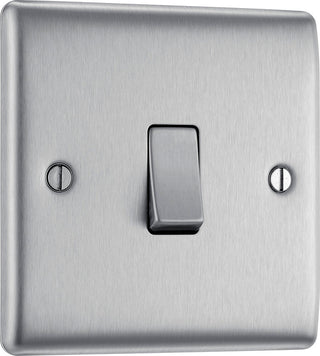
Brushed brass is a type of metal finish that combines golden warmth with a soft, matte texture. The "brushed" part means the surface has been lightly sanded or treated to create fine lines and a less shiny appearance. This gives it a smooth, velvety look that feels modern and sophisticated.

Unlike polished brass, which is bright and shiny, brushed brass has a muted glow. It doesn’t scream for attention, but rather gives off a calm, confident charm. It’s golden, yes, but it’s not flashy. That balance is what makes it so appealing.

Why is Brushed Brass So Popular?

There are a few reasons why brushed brass is winning hearts in the design world:

1. Warm and Inviting

Brushed brass adds a soft golden tone to a space. This warmth can instantly make any room feel more inviting. It works especially well in kitchens and bathrooms, where cool tones (like white, grey, or black) are common. A touch of brushed brass breaks the monotony and adds a hint of luxury.

2. Timeless Appeal

Unlike trendy finishes that come and go, brushed brass has a classic feel. It doesn’t look outdated after a few years. In fact, it gets better with time. It pairs well with vintage, modern, or even industrial design styles, making it a versatile and future-proof choice.

3. Fingerprints and Smudges? Not a Problem

One of the best things about brushed brass is that it doesn’t show fingerprints or smudges easily. This makes it a practical choice, especially for busy areas like kitchens or bathrooms where fixtures get touched a lot.

4. Easy to Pair

Brushed brass goes well with a wide range of colors and materials. Whether your home is full of natural wood, sleek black tiles, or white marble, brushed brass adds a beautiful contrast without clashing.

Where Can You Use Brushed Brass?

Brushed brass can be used just about anywhere in your home. Here are some ideas:

● Kitchen Fixtures

Think cabinet handles, drawer pulls, and even faucets. Brushed brass adds a stylish pop of color and texture, especially in kitchens with white or dark cabinets.

● Bathroom Accessories

From towel bars to tapware, brushed brass brings elegance to any bathroom. It looks amazing with white tiles, stone countertops, or even bold patterned wallpapers.

● Lighting Fixtures

Chandeliers, wall sconces, and pendant lights in brushed brass make a strong yet tasteful statement. They add warmth to rooms without overpowering the décor.

● Door Hardware

Door handles and knobs in brushed brass are small details that leave a big impression. They elevate the look of your space instantly.

● Decorative Items

Mirrors, picture frames, vases, and candle holders in brushed brass can tie a room together beautifully. They catch the light subtly and bring warmth to any space.

Tips for Styling with Brushed Brass

If you're thinking of bringing brushed brass into your home, here are some simple tips to help you get started:

  • Balance is key: Don’t go overboard with brushed brass in every corner. Mix it with other finishes like matte black, chrome, or nickel for a layered, balanced look.
  • Match tones, not metals: Not all golds are created equal. Make sure your brushed brass pieces have similar tones. Some might be more yellow or copper-toned, so keep an eye on that when buying multiple pieces.
  • Pair with natural materials: Brushed brass looks stunning against natural wood, marble, and soft textiles like linen or cotton. It helps create a warm, cozy feel.
  • Use it as an accent: If you’re not ready for a full commitment, start with smaller items like cabinet knobs or light fixtures. It’s a great way to experiment without making a big change.


Final Thoughts

Brushed brass is more than just a pretty finish—it’s a design choice that brings warmth, elegance, and character to your home. Its soft shine, timeless appeal, and practical benefits make it a smart and stylish option for any space.

Whether you're renovating your kitchen, upgrading your bathroom, or just changing out a few details around your home, brushed brass might be just the touch of golden charm you're looking for.
Previous articleThe Ultimate Guide to Fused Spurs All articles Next articleIlluminate Your Space: The Ultimate Guide to Ideal Downlight Placement at Home

RELATED ARTICLES

BG 3-pole fan isolator switch
Do you need a fan isolator switch? 3-pole isolators explained

Why timer and overrun extractor fans need a 3-pole fan isolator switch, where to fit it, and how to choose one.

BG 45A cooker switch
Which cooker switch do I need? 45A cooker switches explained (UK)

45A vs 32A, single vs double pole, with or without a socket, and where a UK cooker switch should go under BS 7671.

Power Factor in Household Appliances
Power Factor in Household Appliances: Why It Matters in UK Electrical Systems

Most discussions around electrical appliances focus on power consumption in watts, but another important factor often ignored in domestic settings is power factor. While...

Voltage Drop in UK Electrical Circuits
Voltage Drop in UK Electrical Circuits: Impact on Appliances and How to Manage It

Voltage drop is an important factor in electrical installations, especially in UK homes where multiple appliances operate across different circuits. If not properly managed,...

What Are the Types of USB Socket
What Are the Types of USB Socket? A Complete Guide for UK Homes

USB charging has become a standard part of everyday life. From smartphones and tablets to smart devices, most modern electronics rely on USB power....

IP Ratings for Socket Outlets in the UK
IP Ratings for Socket Outlets in the UK: Understanding Protection Levels and Applications

Ingress Protection (IP) ratings are an important consideration when selecting socket outlets for different environments in the UK. Not all sockets are suitable for...

Socket Outlet Polarity in the UK
Socket Outlet Polarity in the UK: Importance, Testing and Fault Risks

Correct polarity is a fundamental requirement in UK electrical installations, especially for socket outlets. Even if a socket appears to function normally, incorrect polarity...

Socket Outlet Back Boxes in the UK
Socket Outlet Back Boxes in the UK: Types, Depth Requirements and Installation Standards

Quick answer: The back box depth you need depends on the accessory: 25mm suits most flush light switches and single sockets, 35mm gives extra...

Floor Socket Outlets in the UK
Floor Socket Outlets in the UK: Applications, Installation and Safety Considerations

Floor socket outlets are a specialised type of electrical outlet installed directly into the floor rather than on walls. They are increasingly used in...

Smart Electrical Outlets in UK Homes
Smart Electrical Outlets in UK Homes: Technology, Energy Control and Installation Considerations

Smart electrical outlets are becoming a popular addition to modern UK homes. These outlets allow users to control connected appliances remotely using smartphones, voice...

USB Electrical Outlets in UK Homes
USB Electrical Outlets in UK Homes: Design, Load Considerations and Installation

As modern homes rely more on mobile devices, USB socket outlets have become increasingly popular in the UK. These outlets combine traditional plug sockets...

Residual Current Devices in UK Appliances Circuits
Residual Current Devices (RCDs) in UK Appliances Circuits: Why They Are Essential for Electrical Safety

Electrical safety is a major concern in modern UK homes and workplaces. With the increasing use of electric appliances such as washing machines, kettles,...

Portable Appliance Testing (PAT) in the UK
Portable Appliance Testing (PAT) in the UK: Technical Procedure and Compliance Requirements

Portable Appliance Testing (PAT) is a critical safety process for electrical appliances used in workplaces, rental properties, schools and construction sites across the UK....

Inrush Current in UK Electric Appliances and Power Tools
Inrush Current in UK Electric Appliances and Power Tools: Circuit Design and Protection Essentials

Inrush current is an important but often overlooked factor in UK electrical installations. Many electric appliances and professional power tools draw a short but...

Earthing System Types in the UK
Earthing System Types in the UK: TN-S, TN-C-S and TT System Design Considerations

Understanding earthing arrangements is critical for safe and compliant installations. In the UK, the primary earthing systems are TN-S, TN-C-S (PME), and TT systems....

Smart Meters in UK Homes
Smart Meters in UK Homes: How They Help You Monitor Electricity Usage

Smart meters have become increasingly common across the UK. Many energy suppliers now install them as standard, helping households better understand how much electricity...

Shop products from this guide