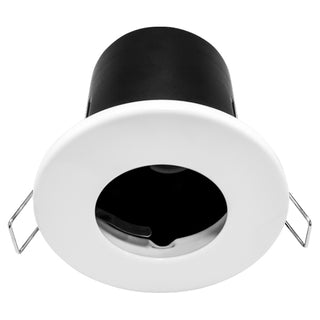
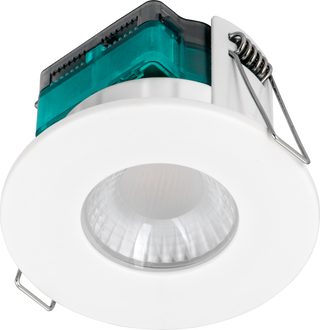
Proper lighting plays a vital role in enhancing both the functionality and aesthetics of your home. Among the most popular and effective lighting options today are LED downlights—sleek, modern fixtures that are recessed into the ceiling to cast focused light downward. Whether you're building, renovating, or simply updating a room, understanding the ideal downlight placement is key to achieving the perfect ambiance.
This comprehensive guide will walk you through smart strategies for placing downlights in every area of your home, helping you create well-lit, inviting spaces that suit your lifestyle.
Why Choose Downlights?
Downlights, often referred to as recessed or can lights, are loved for their minimalistic design and powerful lighting capabilities. Here’s why homeowners and designers alike swear by them:
- Modern Look: Clean and unobtrusive, they seamlessly blend into any interior style.
- Flexible Use: Suitable for ambient, task, and accent lighting.
- Customizable: Available in various beam angles, sizes, and colour temperatures.
- Energy Efficient: Most downlights use LED technology, saving energy and reducing electricity bills.
Living Room Lighting: Balanced and Layered
Your living room serves multiple purposes—relaxing, entertaining, and sometimes working. The lighting design should reflect this versatility.
Downlight Placement Tips:
- Highlight the Perimeter: Place downlights 1.5 to 2 feet away from walls to softly illuminate artwork, shelves, or feature walls.
- Focus on Function Areas: Position lights around seating areas or coffee tables rather than directly overhead.
- Use Dimmers: Add dimmer switches to adjust brightness based on the activity or mood.
Kitchen Lighting: Practical and Stylish
The kitchen is a task-heavy space that requires bright, focused lighting in work zones.
Downlight Placement Tips:
- Illuminate Worktops: Install downlights directly above counters, stoves, and sinks to reduce shadows while cooking or preparing food.
- Create a Grid Layout: Use a grid of downlights, spaced about 3–4 feet apart, for consistent general lighting.
- Layer With Other Fixtures: Complement downlights with pendant lights over the island or breakfast bar for both function and style.
Bedroom Lighting: Soft and Serene
A bedroom should feel calm and relaxing. Your downlight setup should support restful lighting while still offering functional illumination.
Downlight Placement Tips:
- Avoid Direct Overhead Light on the Bed: Instead, position downlights around the edges of the room or above side tables.
- Opt for Warm Lighting: Use warm white LEDs (2700K–3000K) to create a cozy, inviting atmosphere.
- Task Lighting: Add directional downlights above dressers or reading nooks for focused lighting where needed.
Bathroom Lighting: Bright, Safe, and Spa-Like
Bathrooms need functional lighting for grooming, but also a relaxing feel for unwinding.
Downlight Placement Tips:
- Vanity Lighting: Position downlights slightly in front of the mirror to reduce harsh shadows on the face.
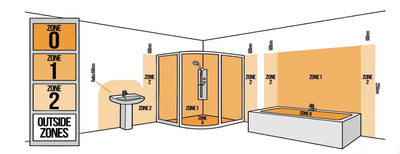
- Wet Area Safety: Use IP65-rated downlights in wet zones like showers and above bathtubs for water resistance and safety.
- Layer the Light: Combine with mirror lights or wall sconces for a luxurious finish.
Hallways and Corridors: Guiding the Way
Often overlooked, hallways and corridors benefit from consistent lighting to create a welcoming flow through your home.
Downlight Placement Tips:
- Even Spacing: Space downlights 6 to 8 feet apart depending on ceiling height for uniform brightness.
- Highlight Art or Architecture: Use adjustable downlights to spotlight decorative walls, photo frames, or architectural features.
General Tips for Perfect Downlight Placement
Regardless of the room, the following tips apply across your home lighting plan:
- Spacing Rule: For balanced lighting, downlights should be placed about half the ceiling height apart (e.g., 4 feet apart for an 8-foot ceiling).
- Beam Angle Matters: Use narrow beam angles (20°–40°) for focused lighting and wide beams (60° or more) for general coverage.
- Avoid Uniform Grids: Don’t place downlights in a perfect grid unless each one serves a clear purpose—design for function, not just form.
- Consider Ceiling Height: Higher ceilings require stronger lights or closer placement for the same effect.
- Use Smart Controls: Installing smart lighting controls or dimmers allows you to adjust lighting levels throughout the day.
Common Mistakes to Avoid
To get the best results, steer clear of these common downlighting errors:
- Overlighting: Too many lights can make your home feel harsh or clinical.
- Poor Placement: Avoid placing downlights directly over where you sit or sleep.
- Mismatched Colour Temperatures: Stick to warm white for living areas and bedrooms, and cooler whites (3500K–4000K) for kitchens and bathrooms.
- Forgetting Natural Light: Plan lighting layouts to complement natural daylight, not compete with it.
Final Thoughts
Creating a well-lit home is about more than just installing bulbs—it's about thoughtful downlight design and strategic placement. When done right, downlighting enhances your home’s architecture, improves functionality, and elevates comfort.
Use this downlight placement guide as a starting point to illuminate each room with purpose and personality. With the right setup, your home will feel brighter, more spacious, and undeniably welcoming.