By Kent Traders · Updated 22 October 2026 · 8 min read · Great Britain (HSE)
Carpet cleaning looks harmless until an inspector asks to see the paperwork. A bottle of detergent, a spot remover and an odour spray are three chemicals, and each needs a record. Here is what COSHH for carpet cleaning chemicals expects from a hotel or HMO, in the order you would do it.
COSHH covers hazardous cleaning chemicals, so read each product's label and safety data sheet first. For hazardous ones, assess the risk, store and label them properly, provide protective equipment and train staff. HSE says to write the assessment down if you have five or more employees.
What does COSHH for carpet cleaning chemicals require?
COSHH is the Control of Substances Hazardous to Health Regulations 2002, as amended. HSE describes the duty as planning, managing and monitoring substances hazardous to health. See the HSE COSHH overview. In a hotel or HMO, that includes every chemical your housekeepers put through a carpet machine.
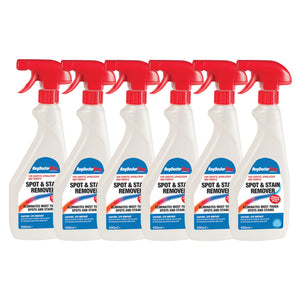
Not every product is classified as hazardous, and the label and safety data sheet tell you which are. Our Rug Doctor Pro Spot and Stain Remover page says “harmful if swallowed” and lists it as an eye and skin irritant, so it needs the full treatment.
HSE's hospitality guide, Safe use of cleaning substances in the hospitality industry, sets out the practical steps. Read the sheet; do not assume a mild-looking detergent is exempt.
The paper trail: five steps
HSE's guidance boils down to five jobs. Do them once, then review.
- List every product. Note what each one is, who uses it and how.
- Get a safety data sheet for each. If one is missing, ask the supplier or the manufacturer for it.
- Record the hazard type. Take it from the sheet or label: irritant, corrosive, toxic and so on.
- Assess the exposure. Cover how often, how much and for how long, plus spills, storage, handling and disposal. Ask whether you need each product at all.
- Train, supervise and review. Keep the sheets where staff can find them fast, and train every new starter.
With five or more employees, write your assessment down. With fewer, recording is not required but HSE calls it good practice.
Storage and decanting rules
Chemicals cause trouble when they leave the cupboard. HSE's storage and decanting advice is short and specific.
- Store products away from heat, sunlight, food and the public, especially children.
- Use lidded, clearly labelled containers and keep them locked up.
- Keep products in their original labelled containers where possible.
- If you decant, use a clean, suitable container marked with usage instructions and hazard information.
- Never use a food or drink container.
- Keep the safety data sheets where staff can reach them quickly.
Dilution: add the concentrate to the water
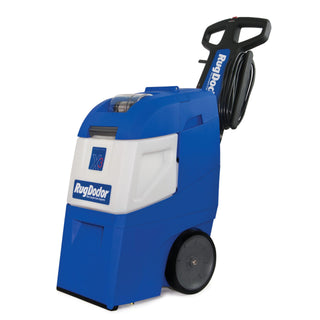
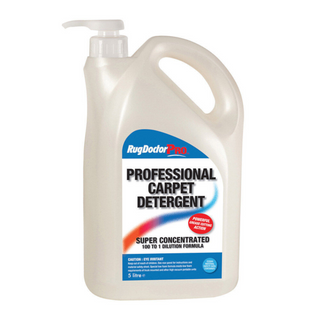
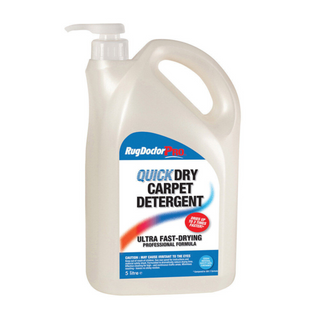
Rug Doctor sets the dose on its product page. For the Professional Carpet Detergent in a Mighty Pro or X3, use 90ml in 8.9 litres of warm water, which the page gives as 100:1. A Wide Track takes 140ml in 13.8 litres. Use lukewarm water on wool carpets, not hot. The machines are in our cleaning machines collection.
HSE adds two rules. Add the concentrate to the water, never the water to the concentrate. And never mix cleaning products: bleach with an acidic toilet cleaner or ammonia releases harmful gases. For heavy bulk containers, HSE suggests pumps, syphons or smaller containers.
Do not top up a half-used tank with a different product. Empty, rinse and start again at the right dilution.
PPE and first aid for carpet chemicals
Match the PPE to the task and the data sheet. HSE's baseline is clear.
- Suitable gloves for each task. Avoid latex, which can cause reactions.
- Splash-rated eye protection where splashing is possible or when cleaning at or above eye level.
- Check gloves for holes or thin patches and replace damaged ones.
- Good ventilation, and fume masks where the manufacturer's instructions require them.
- Staff trained in first aid for skin and eye contact.
- Eyewash available. Where tap water is not close, HSE suggests at least 1 litre of sterile water or sterile 0.9% saline in sealed single-use containers.
Worked example: a 20-room hotel
Take a 20-room hotel that deep-cleans four rooms a week. Assume one machine tank per room, which is our assumption, not a Rug Doctor figure. Prices are inc VAT, checked on 22 October 2026.
| Item | Figure | Working |
|---|---|---|
| Tanks per week | 4 | One per room, assumed |
| Detergent per tank | 90ml | Rug Doctor page, Mighty Pro or X3 |
| Detergent per week | 360ml | 4 x 90ml |
| 5 litre bottle lasts | About 14 weeks | 5,000ml / 360ml |
| Cost per tank | About 18p | £9.83 / (5,000ml / 90ml) |
The cost is trivial. The paperwork is not. One bottle lasts about three months, so any decanted spray bottle needs a label that survives three months. Add a spot remover and an odour remover and you hold three products, three data sheets and three hazard records for roughly a quarter's supply.
Where COSHH files go wrong
Most failed COSHH files fail the same ways.
- No data sheet on file, or a sheet from an old formulation.
- A decanted, unlabelled spray bottle.
- Mixing leftovers from two products in one tank.
- Latex gloves in the housekeeping trolley.
- Training that is assumed, not recorded. HSE says data sheets alone are not enough.
- Assuming a mild label means no assessment.
What to buy: Rug Doctor chemicals
All 14 chemicals in the professional chemicals collection are Rug Doctor. The Rug Doctor product pages we checked show UK stock shipped direct from the supplier, usually within three to five working days. Request the current safety data sheet from the manufacturer before first use. See the wider Rug Doctor range.
| Product | Size | Price | Note |
|---|---|---|---|
| Rug Doctor Professional Carpet Detergent | 5 litre | £9.83 | Concentrate, 100:1 in a Mighty Pro or X3 |
| Rug Doctor Quick Dry Carpet Cleaner | 5 litre | £10.81 | 5 litre bottle |
| Rug Doctor Pro Spot and Stain Remover | 500ml | £17.10 | Harmful if swallowed, eye and skin irritant |
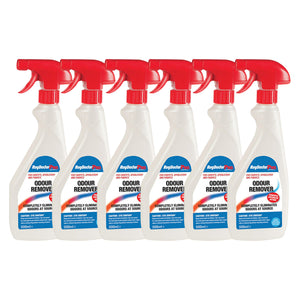
| Rug Doctor Pro Odour Remover | 500ml | £4.06 | 500ml bottle |
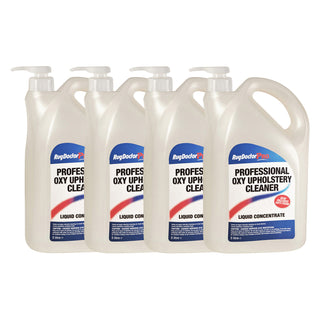
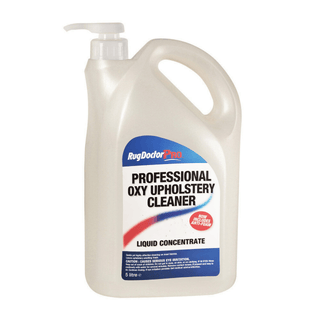
| Rug Doctor Professional Upholstery Cleaner | 5 litre | £11.79 | For upholstery |
Check before you order:
- The current safety data sheet for every product.
- Compatibility with your machine. The Rug Doctor detergent page says use in another machine is at the user's risk.
- Pack size against how fast you use it.
- Labels and a locked store for the bottles.
FAQs
COSHH applies to hazardous substances your staff use, which includes carpet chemicals classified as hazardous. Read each label and safety data sheet to find out which products are. HSE guidance for the hospitality industry covers cleaning substances in general, so apply its steps to your carpet products.
HSE says to record your findings if you have five or more employees. With fewer than five, recording is not required but is good practice. Either way, you must carry out the assessment and review it regularly, including when you change products or staff.
Ask the supplier for one for each product. HSE says to request it if it is missing, and to keep the sheets where staff can find them quickly, especially when dealing with a spill. The manufacturer can also supply the current version.
HSE says to keep products in their original labelled containers where possible. If you decant, use a clean, suitable container marked with usage instructions and hazard information. Never use a food or drink container, and keep the safety data sheet to hand.
No. HSE says never to mix cleaning products, because combinations such as bleach with acidic toilet cleaner or ammonia release harmful gases. When diluting, add the concentrate to the water, not the water to the concentrate, and use each product at its own dilution.
HSE says to provide suitable gloves and eye protection for each task, avoid latex gloves, and use splash-rated eye protection where splashing is possible. Check the safety data sheet for product specifics, and train staff on when and how to use and replace their PPE.
Related reading
Stock the right chemicals
Match each product to its data sheet, label every bottle and keep the store locked. Trade buyers can open an account for repeat orders across several properties.
Shop professional chemicalsOpen a trade account