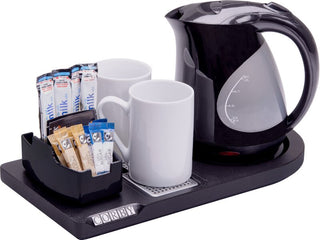
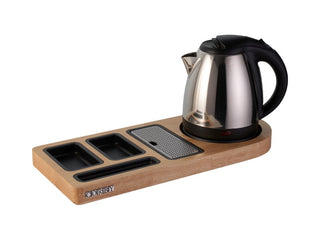
A guest complained her room kettle tripped the socket every time she filled it past half. The hotel's maintenance team found the element had been failing for weeks, and nobody had checked it since the welcome tray was installed two refurbishments ago. The kettle wasn't old. It just hadn't been tested since the day it went in the room.
A welcome tray's kettle is a portable electrical appliance, and it falls under the same PAT testing duty of care as anything else plugged in for guest use. Most hotels test guest-room kettles annually, though frequency should reflect actual risk and usage rather than a fixed number, since UK law sets no single legal interval.
Why a Kettle on a Tray Gets Overlooked
Consumer units, sockets and fixed wiring get inspected on a schedule because they're part of the building's electrical installation. A welcome tray's kettle isn't fixed wiring, it's a portable appliance a housekeeping team wheels in on a trolley, which is exactly why it slips through gaps that catch fixed installations. Nobody schedules it because nobody owns it the way an electrician owns a consumer unit.
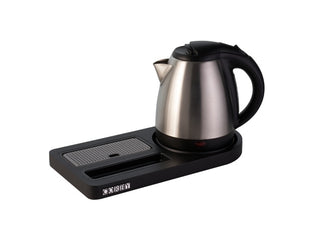
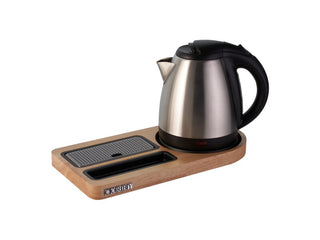
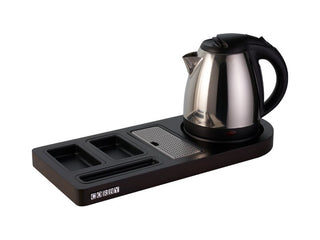
The risk isn't theoretical. A kettle used daily by different guests, refilled inconsistently, sometimes overfilled or run dry, wears differently to a domestic kettle used by one household. Hospitality-grade kettles like Corby's guest-room range are built for that use pattern, but built for it and exempt from testing are two different things.
| Item | Testing status |
|---|---|
| Guest room kettle | Portable appliance, PAT testing applies |
| Tray/tea set (non-electrical) | No electrical testing required |
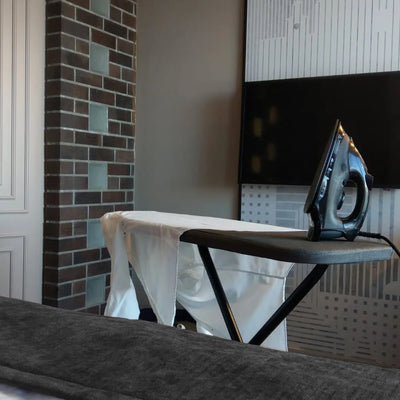
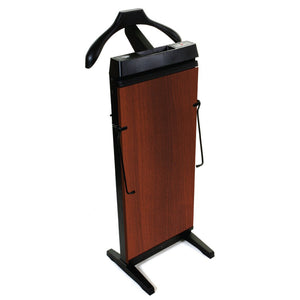
| Trouser press / iron in room | Portable appliance, PAT testing applies |
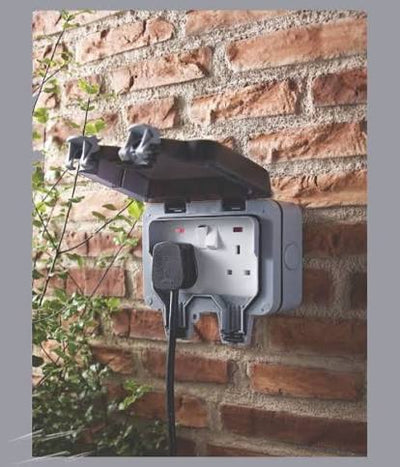
| Wall socket the tray plugs into | Fixed installation, covered by EICR cycle |
PAT testing has no single legally mandated interval. The Regulatory Reform (Fire Safety) Order 2005 places a general duty of care on the "responsible person" for non-domestic premises, which includes guest-room appliances, but the specific testing frequency is a risk-based judgement, not a fixed number in the Order itself.
What a Sensible Testing Cycle Actually Looks Like
Most hospitality operators land on an annual PAT test for guest-room kettles as a practical baseline, tightening it for high-turnover rooms or loosening it slightly for low-use function-room equipment. What matters for an EICR or insurance audit isn't hitting an exact number, it's having a documented, risk-based schedule and records showing it's actually followed.
- Guest-room kettles: annual testing is the common baseline for daily-use rooms
- Kettles in low-turnover rooms or storage: can often extend to a longer interval, documented and justified
- Any kettle showing a fault, damaged cable, or guest complaint: tested immediately, not at the next scheduled round
For the wider kettle spec beyond testing schedules, our Corby of Windsor hotel kettles buying guide covers model choice and Strix-controlled safety features in more detail, our hotel supplies range covers the rest of the guest-room kit that sits alongside the welcome tray, and our guestroom items collection is worth checking for the other small electricals worth including on the same testing schedule.
Frequently Asked Questions
Stock Rooms With Testing in Mind
Corby of Windsor welcome tray sets, built for daily hospitality use, trade priced and in stock now.
Browse Welcome Tray Sets →