A landlord specced concealed cisterns across a six-bed HMO because the wall-hung look photographed better for the listing. Eighteen months in, one cistern developed a valve fault. The fix meant opening a tiled wall panel instead of lifting a lid, and the tenant was without a working toilet for four days waiting on access. The finish was never the problem. The maintenance plan was.
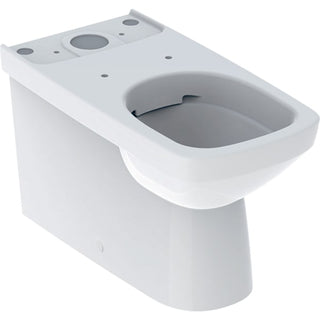
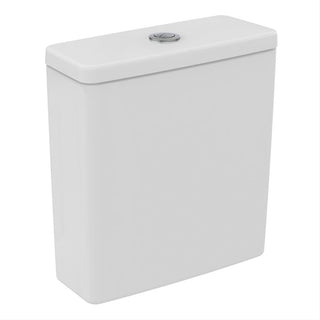
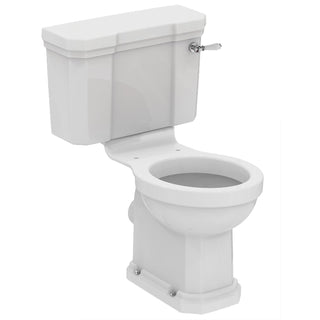
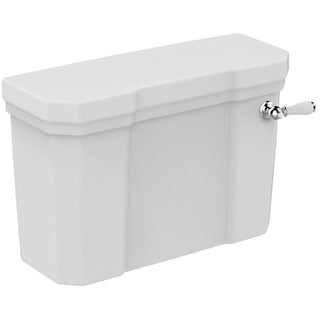
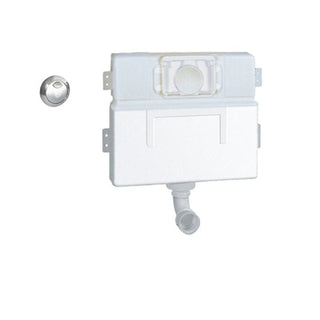
Concealed cisterns sit behind a wall or panel for a cleaner look but need an access panel built in for servicing. Close-coupled cisterns sit exposed behind the pan, cost less, and can be fixed in minutes without opening anything. For HMOs and high-turnover lets, close-coupled is usually the lower-maintenance choice unless the room design demands concealed.
Same Job, Completely Different Access
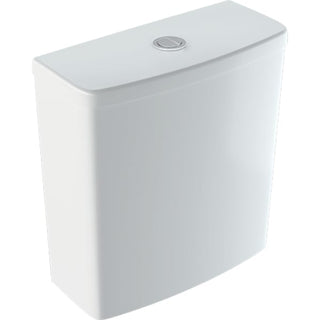
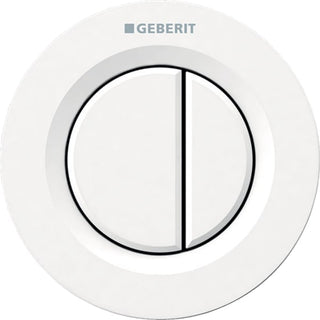
Both cistern types do the same thing: store water and release a measured flush. The difference is entirely about where that mechanism lives and how you reach it when something goes wrong. A concealed cistern sits inside a frame built into a stud wall or behind tiled panelling, with only a flush plate visible on the finished wall. A close-coupled cistern bolts directly onto the back of the pan in plain view, lid included.
That single design choice decides every future repair. A close-coupled valve fault is a five-minute job: lift the lid, replace the part, done. A concealed cistern fault means locating the access panel, which on some installs means removing tiles or cutting into plasterboard if no panel was ever fitted. The mechanism inside is often the same brand and the same failure rate. The cost of fixing it isn't.
| Factor | Concealed | Close-coupled |
|---|---|---|
| Visible from the room | Flush plate only | Full cistern and lid |
| Typical price band | £150-£230 | £90-£230 |
| Repair access | Requires access panel | Lift the lid |
| Best fit | Design-led bathrooms, owner-occupied | HMOs, rentals, high-turnover lets |
An access panel isn't optional on a concealed install, it's the whole point of specifying one correctly. Approved Document H (drainage and waste disposal) expects serviceable access to any concealed cistern mechanism. Skipping the panel to save wall space turns a routine valve replacement into a demolition job, and that cost lands on whoever's managing the property, not the tenant who reported the fault.
What Actually Decides It for an HMO Refurb
For a single owner-occupied bathroom, concealed cisterns are a reasonable design choice since the person dealing with a future fault is also the one who chose the finish. HMOs are different: multiple tenants, multiple bathrooms, and a landlord who needs every fault fixed fast without opening walls room by room. That changes the calculation even before price is factored in.
- Specify close-coupled as the default across shared and ensuite HMO bathrooms unless the layout genuinely requires a concealed frame
- If concealed is unavoidable (tight room, wall-hung pan already chosen), confirm the access panel is built in and documented on the install sheet
- Standardise on one cistern brand and valve type across a property so spares and repairs don't require hunting down a discontinued part
If the pan itself is still undecided alongside the cistern, our Geberit vs Grohe vs Aqualisa guide covers the wider brand comparison, our toilets collection has both wall-hung and close-coupled pans matched to the cistern types above, and our Ideal Standard bathroom range covers the close-coupled cistern options specifically.
Frequently Asked Questions
Need Cisterns Sourced for a Multi-Bathroom Refurb?
Kent Traders supplies concealed and close-coupled cisterns from Geberit, Ideal Standard and Grohe with trade pricing on bulk orders.
Apply for a Trade Account →