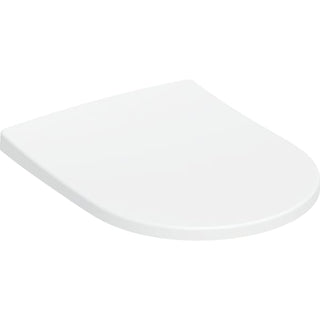
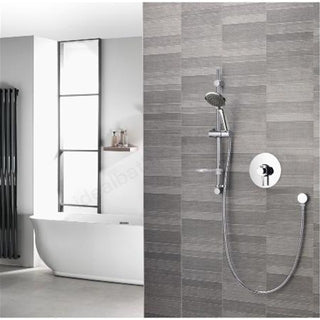
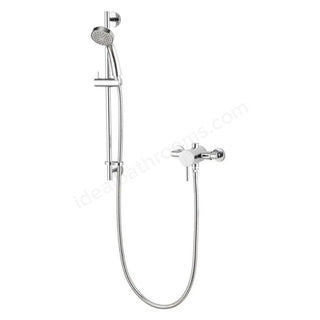
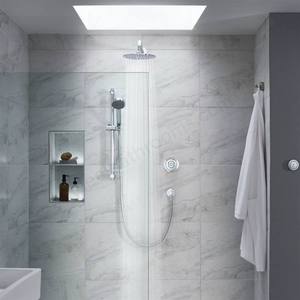
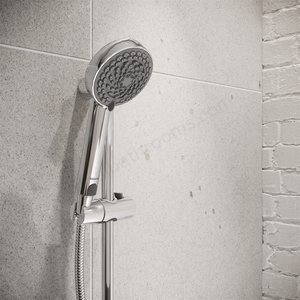
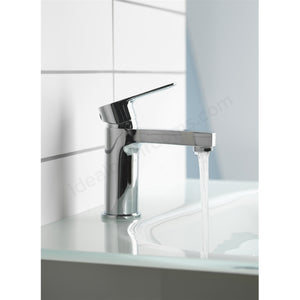
Three brands, three completely different jobs to do. Specifying Aqualisa where the project needed Geberit costs nothing on paper and everything on the snagging list.
Geberit handles what's hidden in the wall, concealed cisterns and frames. Grohe covers the brassware, taps and thermostatic shower valves you actually touch. Aqualisa is the answer when there's no separate hot water system to feed a mixer shower, its electric and digital showers heat water on demand. Most full refurbs use all three together, not one instead of another.
Why do these three brands keep coming up on the same job sheet?
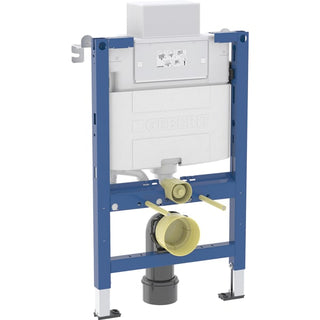
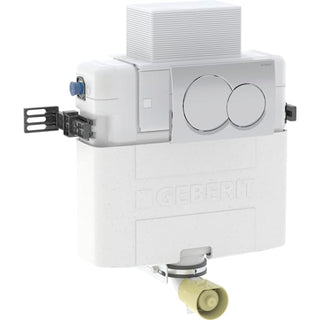
They're not competitors. That's the first thing worth getting straight, because a lot of buying decisions get muddled by treating them as alternatives. Geberit makes what sits behind the wall, the concealed cistern and frame that holds a wall-hung toilet or bidet in place and gives you the flush plate on the tile face. Grohe makes the taps, mixer valves and thermostatic shower controls, the brassware you actually put your hand on. Aqualisa makes electric and digital showers, the units that heat water themselves rather than drawing from a combi boiler or hot water cylinder.
A typical hotel refurb, say a 28-room property in the Peak District going through a full bathroom strip-out, specs all three on the same job: Geberit frames behind every wall-hung pan, Grohe thermostatic valves feeding the main shower in rooms with a working hot water system, and Aqualisa electric showers in any annexe block where running a new hot water feed isn't worth the disruption.
Geberit concealed cisterns: when do you actually need one?
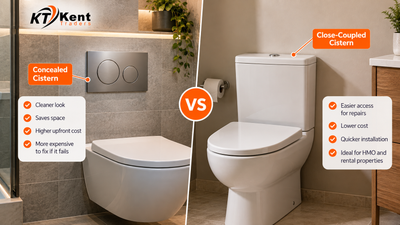
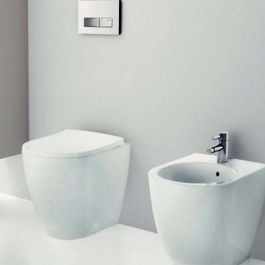
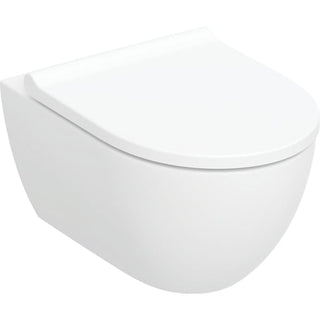
A concealed cistern earns its place wherever wall space matters more than easy access. Wall-hung pans with a Geberit frame and cistern free up the floor for cleaning, which is exactly why hotel bathrooms and HMO shared bathrooms favour them over a standard close-coupled toilet. The trade-off is access: servicing a concealed cistern means removing the flush plate and working through a smaller opening than a standard cistern lid.
| Scenario | Specify | Why |
|---|---|---|
| Hotel bathroom, easy-clean floor priority | Geberit concealed frame + wall-hung pan | Floor space and cleaning access matter more than service access |
| HMO shared bathroom, budget refurb | Standard close-coupled toilet | Lower install cost, no frame fixing required, easier future repairs |
| Ensuite with limited wall depth | Geberit Duofix frame (check minimum 90mm void) | Slimline frame still fits where stud wall depth is tight |
Geberit frames need a minimum void depth, typically 90mm for slimline ranges, before you commit to a stud wall layout. Measure this before the plasterer closes the wall, not after.
Grohe thermostatic vs manual mixer: which one stops the scalding complaint?
Thermostatic valves hold a set temperature regardless of pressure changes elsewhere in the building, so someone flushing a toilet on another floor doesn't send a scalding spike through a guest's shower. Manual mixers are cheaper to install but have no automatic temperature protection if supply pressure drops or surges.
For any property with multiple bathrooms sharing the same hot water system, a hotel, an HMO, a multi-let, thermostatic is the only sensible spec. A single-occupancy home with one bathroom and consistent pressure can get away with a manual mixer, but the price difference rarely justifies the risk on a commercial job.
Specifying a multi-bathroom job? Get the brand mix right before the first delivery goes out.
See Grohe Range →Aqualisa electric showers: the brand for buildings without spare hot water capacity
An Aqualisa electric shower heats water as it passes through the unit, so it doesn't draw from a combi boiler or hot water cylinder at all. That makes it the practical answer for any annexe, outbuilding conversion, or older property where running a new hot water feed to a second bathroom isn't worth the cost or disruption.
Concealed cisterns and frames for wall-hung sanitaryware. The right call when floor space and cleaning access matter more than service convenience.
Thermostatic valves are non-negotiable for any multi-bathroom property sharing one hot water system. Manual mixers are fine for single-occupancy homes only.
Electric and digital showers for buildings with no spare hot water capacity to feed a mixer. Solves the problem rather than working around it.
Does any of this affect Part G or Part M compliance?
Part G of the Building Regulations covers water efficiency and scald protection, and thermostatic mixing valves are the standard route to compliance in any new bathroom installation, particularly where Approved Document M accessibility requirements apply, care settings, accessible hotel rooms, and similar. A manual mixer shower in a space that needs Part M compliance is a problem regardless of which brand it carries.
Geberit's frame choice doesn't touch Part G or M directly, but wall-hung sanitaryware height and clearance does feed into Part M accessible bathroom layouts, so confirm pan height requirements before locking the frame spec on any accessible room.
Frequently Asked Questions
Yes, and it's the normal spec on most refurbs. Geberit handles the concealed cistern, Grohe the taps and shower valve, and Aqualisa only comes into play if there's no hot water system to feed a mixer shower.
Geberit's slimline Duofix frames need a minimum void depth of around 90mm. Check the specific frame's datasheet before finalising the stud wall layout, as this varies between ranges.
Thermostatic is the right spec for any property with multiple bathrooms sharing one hot water system, hotels, HMOs and multi-lets included. A manual mixer is only suitable for single-occupancy homes with consistent supply pressure.
When there's no existing hot water system capacity to draw from, annexes, outbuilding conversions, or older properties where a new hot water feed isn't cost-effective. The electric shower heats water on demand instead.
Yes. Thermostatic mixing valves are the standard route to scald protection compliance under Part G, particularly relevant where Approved Document M accessibility requirements also apply.
Yes, a concealed frame and cistern costs more upfront than a close-coupled unit, and the install labour is higher too. It's worth it where floor space and cleaning access matter, not worth it on a budget HMO refurb where neither does.
Spec the Right Brand for the Right Part of the Job
Geberit, Grohe and Aqualisa in stock, with trade pricing and bulk quotes for multi-bathroom refurbs.
Browse Bathroom Brands →