Half the minibars in a mid-range hotel sit untouched for a whole stay. The other half get raided within an hour. The format you fit decides which one you get.
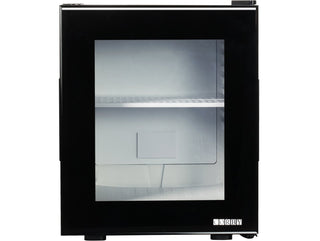
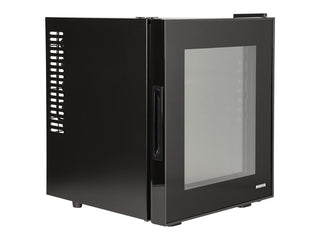
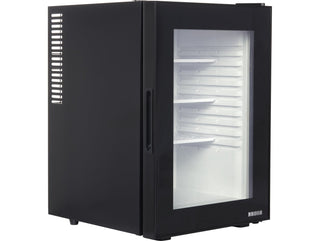
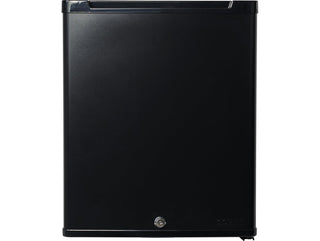
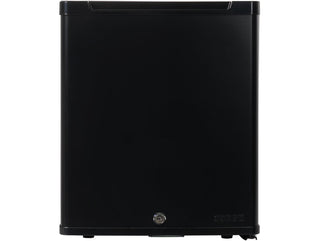
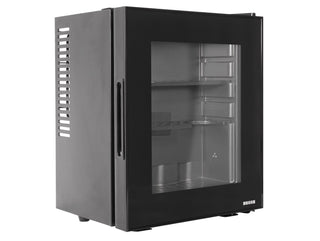
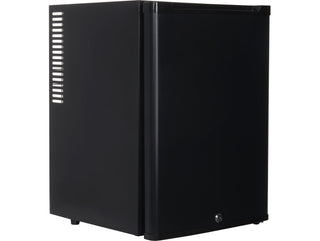
Glass-door minibars increase impulse spend because guests can see the stock without opening the door, which suits budget and boutique properties chasing minibar revenue. Lockable solid-door minibars suit HMO-adjacent serviced apartments and longer-stay guests who want a quiet fridge, not a shop window. Both Corby Eton formats run an E energy rating and hold 6-8°C.
Why Does the Minibar Format Actually Matter?
A minibar is one of the few pieces of guest-room furniture that directly generates revenue, so the format you pick is a commercial decision as much as a furnishing one. Glass-door models put the stock on display the moment a guest walks past, which is the same psychology that makes a hotel bar stock its top-shelf spirits at eye level. Solid-door lockable models hide the contents entirely and are built to be secured, which matters more for serviced apartments and extended-stay properties where the fridge is treated as the guest's own rather than the hotel's retail counter.
A 40-room hotel in the Lake District running weekend breaks will get more out of a glass-door range than a 12-unit serviced apartment block in Manchester renting by the month, where guests want a normal fridge and nothing more.
Glass Door vs Lockable: The Honest Comparison
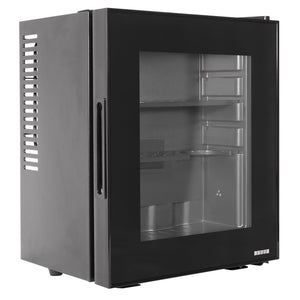
Display-front design drives impulse purchases. The trade-off is that guests also see when stock is running low or looks tired, so housekeeping needs to check it more often than a solid-door unit.
Solid door with adjustable shelving and storage inside the door itself. The better choice where the fridge is there for the guest's own food and drink rather than hotel stock, and where security of contents matters more than visibility.
Our honest take: unless minibar sales are a genuine line item in your revenue reporting, the lockable range is the lower-friction choice for most independent hotels and guesthouses. Glass-door only earns its premium where someone is actually restocking and monitoring it as a retail channel, not just topping it up when housekeeping remembers.
Sizing a Minibar Fit-Out Across a Property
| Property Type | Recommended Capacity | Format |
|---|---|---|
| Budget hotel, standard room | 20L | Glass door |
| Mid-range hotel, standard room | 35L | Glass door or lockable |
| Boutique hotel, feature room | 40-45L | Glass door |
| Serviced apartment / extended stay | 40L | Lockable |
Refurbishing an entire property? Minibars are one line on a much longer guest-room BOM.
See the Full Hotel Supplies Range →Running Costs and What Nobody Tells You Before You Order
A price reality check most suppliers skip: a thermoelectric minibar typically draws somewhere between 60W and 90W continuously. Across a 40-room property running minibars around the clock, that adds a genuine, ongoing line to the electricity bill, not a one-off cost. It is a small number per room and a real one across a whole property, which is worth mentioning to whoever is signing off the refurb budget rather than letting it surface as a surprise on the first full quarterly bill.
Minibars are also fixed electrical appliances for PAT testing purposes under the same landlord and business duties covered in our piece on PAT testing for landlords and businesses in the UK, so budget for that in the same annual cycle as the rest of the room's fixed appliances.
Fit Out a Room, Not Just a Fridge
Corby Eton minibars in glass-door and lockable formats, trade priced for hotel refurb orders.
Shop Corby Minibars →