You wouldn't put a screw-covered hinge on a designer kitchen door. You wouldn't put cheap laminate on a hardwood floor. But if your light switches still have four visible screws on the faceplate, there's a simple upgrade sitting right in front of you.
What makes a switch "screwless"?
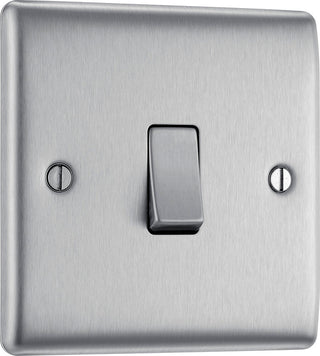
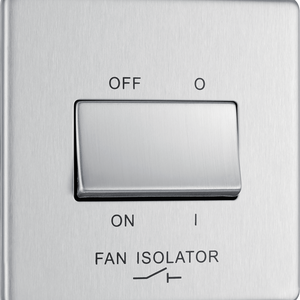
Traditional switches have two screws holding the faceplate to the back box. Screwless switches use a clip-on or magnetic faceplate instead — the mechanism hides behind the plate. Same function. Completely different look.
Which finish works in your home?
| Finish | Best rooms | Works with |
|---|---|---|
| White moulded | Bedrooms, hallways, rentals | Everything — safe and timeless |
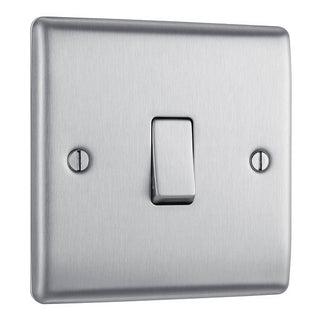
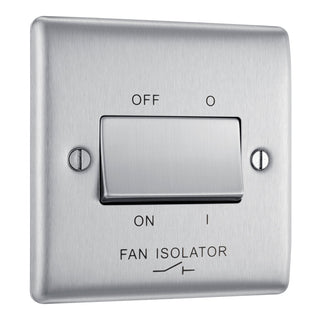
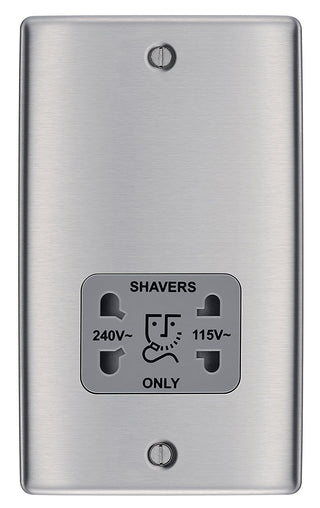
| Brushed steel | Kitchens, bathrooms, offices | Grey, white, dark tiles |
| Polished chrome | Living rooms, dining rooms | Contemporary, dark walls |
| Brushed brass | Kitchens, living rooms | White, sage green, navy, off-white |
| Matt black | Feature walls, dark kitchens | Industrial, dramatic interiors |
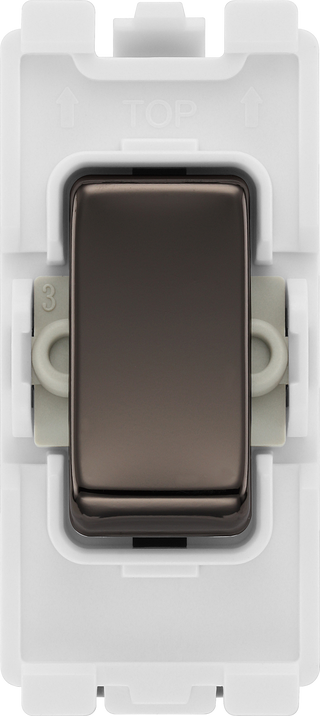
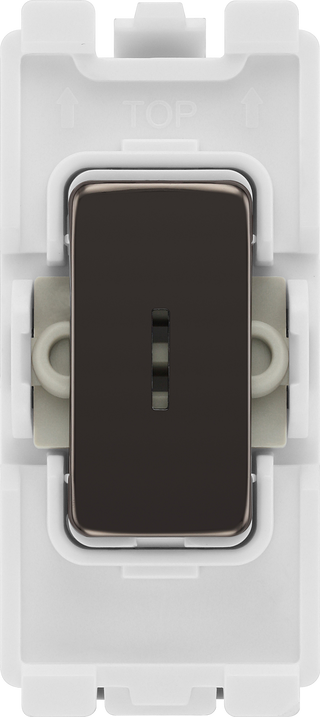
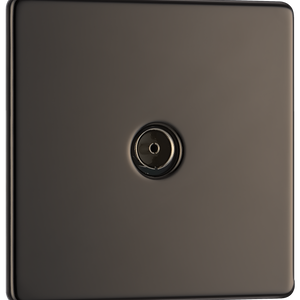
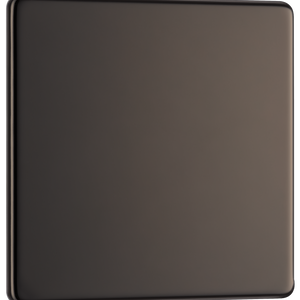
| Gun metal / dark bronze | Mid-toned rooms, mixed metals | Warm wall colours |
Do they cost much more?
| Type | Typical price per switch |
|---|---|
| Standard white screwed switch | £3–£7 |
| Screwless white flat plate | £7–£14 |
| Brushed brass / chrome screwless | £12–£28 |
Fitting screwless switches — is it any different?
Wiring is identical. The only difference is how the faceplate attaches:
- Clip-on: base plate screws to the back box normally. Decorative faceplate clips on with a satisfying click. To remove, use a small flathead or the release tool provided.
- Magnetic: faceplate snaps on magnetically. Incredibly clean finish. Common in premium ranges.
Dimmer compatibility — what nobody tells you
Not all screwless dimmers work with all LEDs. Wrong dimmer + LED = flickering or buzzing. When buying screwless dimmers, look for:
- LED compatible label on the product
- Low minimum load — LED circuits run at low wattage. Need a dimmer rated down to ~10W minimum load
- Neutral wire — modern LED dimmers often need one. Older circuits sometimes don't have it at the switch position. An electrician checks in 5 minutes.
Can you mix finishes between rooms?
Yes — and done well it looks intentional. Keep each room consistent within itself. Brushed steel in kitchen and bathrooms, brass in living spaces is a combination that works beautifully. Mixing finishes within the same room is where it starts to look accidental.
Frequently asked questions
Do screwless switches need special wiring?
No. Identical wiring to standard switches. The clip-on or magnetic faceplate is purely cosmetic — everything behind it connects the same way.
How do I remove the faceplate?
Clip-on types: small flathead or the release tool provided. Magnetic types: just pull the plate towards you by hand.
Can I mix finishes between rooms?
Yes — keep each room consistent. Brushed steel in kitchen, brass in living room is perfectly fine. Don't mix within the same room.
Are screwless switches safe?
Absolutely. The faceplate mechanism is cosmetic and doesn't affect the electrical connections. All reputable screwless switches are BS EN 60669 compliant.
How do I clean them?
Slightly damp microfibre cloth, mild soap. No abrasive cleaners on chrome or brass — they'll scratch the finish.