Your electrician quotes a rewire in March, the job slips to November, and suddenly the invoice is higher than the quote for reasons nobody explained upfront.
BS 7671:2018+A4:2026 widens Regulation 421.1.7's AFDD requirement to cover more circuit types in higher-risk premises including HMOs, effective 15 April 2026 with a transition period running to 15 October 2026. Book a rewire, partial rewire, or EICR-triggered repair after the transition ends and expect AFDD-rated protection on the relevant circuits, at extra cost.
Why This Isn't Just Your Electrician's Problem
Amendment 4 gets talked about as a technical update for electricians, and it is, but the cost lands on whoever's paying the invoice. Regulation 421.1.7 already recommended Arc Fault Detection Devices for higher-risk locations including HMOs and sleeping accommodation. Amendment 4 widens which circuits that applies to, which means more breaker ways on your next consumer unit fitted with AFDD protection instead of a standard MCB.
We supplied wiring accessories for a 6-bed HMO conversion in Coventry last month where the electrician flagged Amendment 4 mid-job and had to requote the landlord on the spot, because the original quote had been written against the old scope.
The Two Dates You Actually Need to Know
| Date | What It Means |
|---|---|
| 15 April 2026 | Amendment 4 becomes effective. New installation work can be designed to the new scope from this date. |
| 15 October 2026 | Transition period ends. All new work from this date must comply with the widened Amendment 4 scope, no exceptions. |
If you're booking any electrical work between now and October, ask your electrician directly which version of the regulations they're quoting against. A quote written before the transition ends can still land after it, and that's exactly the gap that catches landlords out.
What's This Actually Going to Cost You?
Budget an extra £15 to £25 per circuit for an AFDD-rated breaker compared to a standard MCB, which on a typical 8-way HMO consumer unit adds roughly £120 to £200 to a full rewire quote. It's not a huge number against a full rewire, but it's exactly the kind of line item that turns a fixed-price quote into a supplementary invoice if nobody mentioned it upfront.
Ripping out a board that already passes its current EICR purely to get ahead of Amendment 4 isn't worth it for most landlords. Waiting until your next scheduled EICR or a genuine fault trigger is the sensible call, not replacing a working board early.
Rewiring or refitting an HMO or hotel property? We'll price wiring accessories and fittings alongside your electrician's schedule of works.
Get a Trade Quote →What to Ask Your Electrician Before You Book
- Is this quote written against the current Amendment 4 scope, or the version before it?
- How many circuits on my board will need AFDD protection under the new scope?
- If the job runs past 15 October 2026, will the price change?
- Does my HMO licence renewal date fall before or after the transition ends?
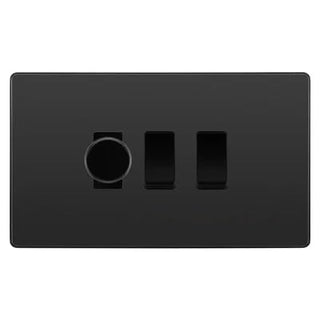
If you're also working through bathroom or fire compliance on the same conversion, our HMO bathroom compliance guide and fire stopping guide cover the rest of a typical licence renewal checklist, and our Astroflame fire stopping range and BG Evolve wiring accessories cover the products if a rewire touches switches and sockets at the same time. For the technical detail your electrician is working to, the IET's BS 7671 guidance is the primary source, and gov.uk's HMO licensing guidance covers how electrical safety fits into your licence conditions.
Frequently Asked Questions
Sort Your HMO Compliance Checklist in One Place
Fittings and supplies for bathroom, fire safety and electrical refurb work, trade priced.
Browse Hotel & HMO Supplies →