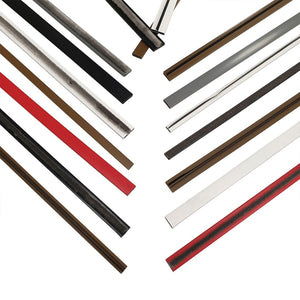
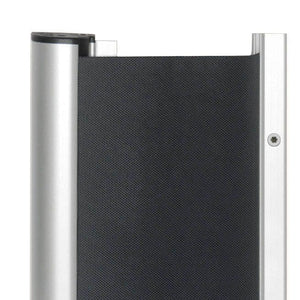
A fire-rated door with a gap under the hinge or no intumescent strip in the frame is not a fire door. It's a fire-rated door doing the job of a normal one.
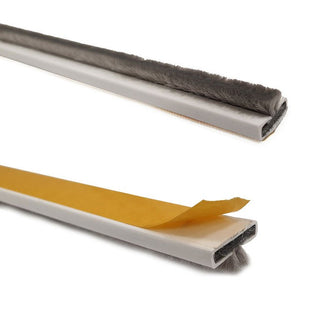
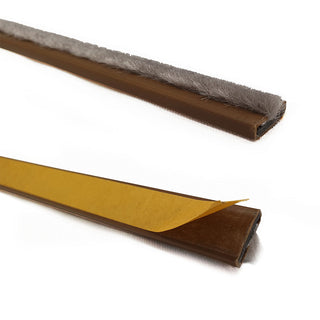
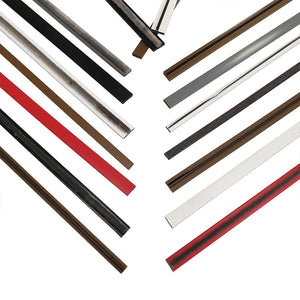
A compliant fire door needs more than the door leaf itself: intumescent strips around the frame, fire-rated hinges, a self-closing device, and fire-rated seals on any letterplate or hardware cut into the door. Astroflame supplies the full kit. Missing any one element is a common HHSRS finding on HMO inspections, regardless of how good the door itself is.
Why does a certified fire door still fail an inspection?
Because the certification is for the whole assembly, not just the door leaf. A FD30 door rated for 30 minutes of fire resistance only holds that rating with the correct frame seal, the correct hinges, and the gaps around it closed to spec. Drill a letterbox into it without a fire-rated letterplate, or hang it on standard hinges instead of fire-rated ones, and the door's actual performance in a fire drops well below what the certificate claims.
This is exactly what catches landlords out on HMO inspections. A 6-bedroom HMO in Sheffield can have every bedroom door correctly fire-rated on paper, and still fail HHSRS assessment because the intumescent strips were never fitted around the frames, or the closers were removed because tenants found them annoying.
What does a complete fire door kit actually need?
Four elements, and missing any one undermines the rest.
| Component | Job it does | Common failure point |
|---|---|---|
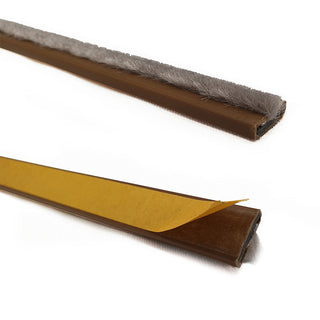
| Intumescent strip (frame) | Expands under heat to seal the gap between door and frame | Missing entirely, or painted over so it can't expand |
| Fire-rated hinges | Maintain door alignment without melting or warping under heat | Standard hinges fitted instead, often during a quick repair |
| Self-closing device | Ensures the door actually closes and seals after use | Disconnected or removed by occupants who find it inconvenient |
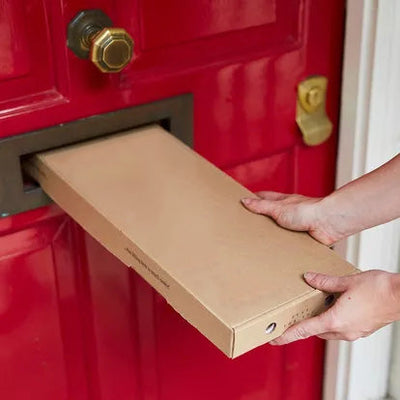
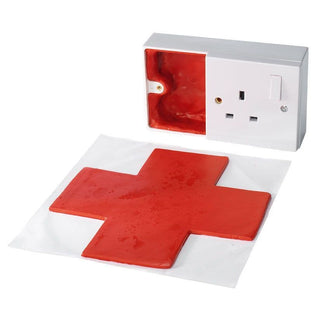
| Fire-rated letterplate/hardware seals | Maintains rating where holes are cut for letterboxes, locks, viewers | Standard hardware fitted without intumescent backing |
Intumescent strips need to sit in a routed groove in the frame, not stuck on the surface as an afterthought. A surface-mounted strip can be knocked off during normal use, and won't seal correctly even if it's still in place when it matters.
Self-closing hinges or a separate door closer: which one actually gets used?
Both achieve the same legal requirement, a self-closing fire door, but they behave very differently in practice. A separate overhead or floor-spring closer rarely fails mechanically and holds up well over years of use, but it's visible, and visible closers are the ones tenants disconnect because they catch on furniture or slam loudly.
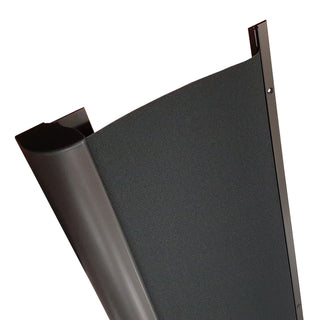
Built into the hinge itself, so there's nothing visible to disconnect. The honest trade-off: adjustment is more fiddly than a standard overhead closer, and a worn hinge needs full replacement rather than a simple spring tension tweak.
Tension and closing speed are simple to tune on site. The trade-off: it's visible and exactly the kind of fitting tenants in shared HMO corridors tend to disconnect once the landlord's back is turned.
For an HMO in regular tenant turnover, self-closing hinges are usually the better long-term call precisely because there's nothing obvious to tamper with.
Doing a fire door upgrade across multiple rooms? Get the full intumescent, hinge and closer kit specified before the first door comes off its frame.
See Astroflame Kits →What does HHSRS actually require for fire doors in an HMO?
The Housing Health and Safety Rating System assesses fire risk as one of its 29 hazard categories, and inadequate fire separation between rooms, including non-compliant or poorly maintained fire doors, is a standard HHSRS finding that can trigger improvement notices from the local authority. HMO licensing conditions typically require FD30 doors as a minimum on all bedroom doors and any door opening onto an escape route, fitted with the correct intumescent seals and self-closing devices, not just a door with the right rating stamped on the edge.
Licensing officers inspecting an HMO check the whole assembly, frame seals included, not just whether the door itself carries a fire certificate.
Frequently Asked Questions
No. The door leaf rating is only one part of the assembly. Intumescent frame seals, fire-rated hinges, and a working self-closing device all need to be correctly fitted for the door to meet HMO licensing fire safety conditions.
No. Any hardware cut into a fire door needs fire-rated intumescent backing to maintain the door's rating. Standard hardware creates a gap in the fire seal at exactly the point it's most likely to fail.
A routed groove holds the strip securely against normal wear, where a surface-mounted strip can be knocked off or damaged before it's ever needed. A dislodged strip can't expand and seal the gap correctly in a fire.
Usually, yes, for HMOs specifically. Self-closing hinges have nothing visible for tenants to disconnect, which makes them less likely to be tampered with than an overhead closer in a shared corridor.
Missing or painted-over intumescent strips, disconnected self-closers, and hardware fitted without fire-rated seals are the most common findings, even when the door leaf itself is correctly rated.
FD30 is the typical minimum required on bedroom doors and doors onto escape routes under most HMO licensing conditions, but exact requirements depend on the property layout and local authority. Check your specific licence conditions before assuming.
Get the Whole Fire Door Assembly Right, Not Just the Leaf
Astroflame intumescent strips, fire-rated hinges and closers in stock, ready for HMO and hotel fire door upgrades.
Shop Astroflame →