A school trust in Surrey was fined £6,000 plus costs after a five-year-old's fingertip was amputated in a toilet door hinge with no guard fitted. The guard that would have stopped it costs under £16.
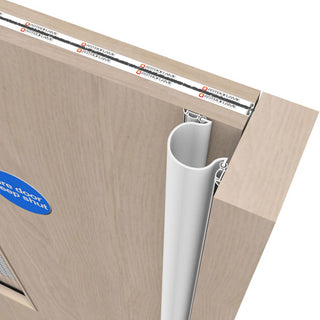
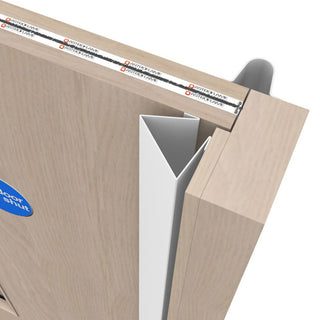
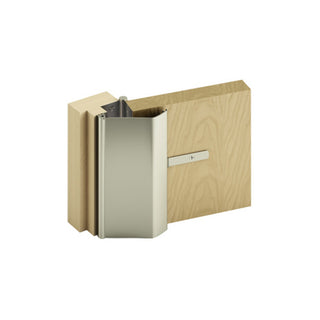
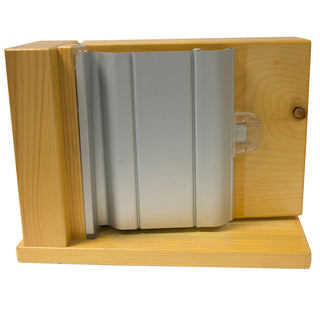
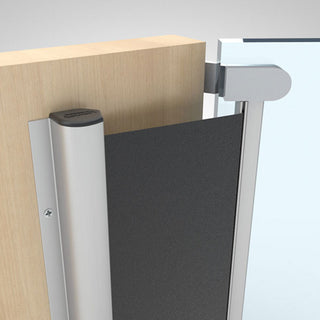
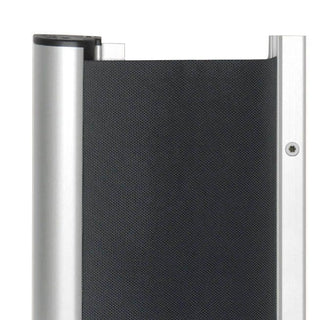
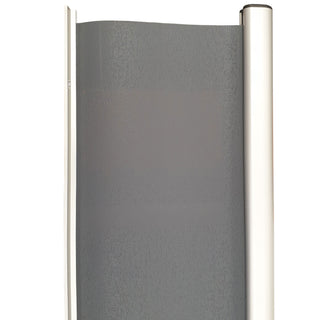
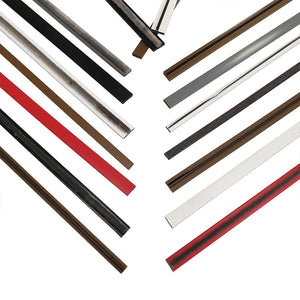
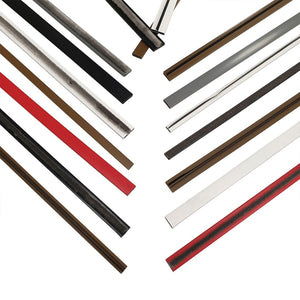
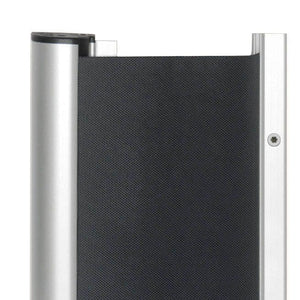
Finger trap guards fit over the hinge gap of a door to stop fingers being crushed as it closes. Astroflame's range runs from budget strips around £15 to heavy-duty aluminium roller guards over £250. Schools, nurseries and care homes are highest-risk, and HSE guidance treats fitting guards as reasonably practicable wherever young or vulnerable people use the doors.
Why Do Schools, Nurseries and Care Homes Need Finger Guards at All?
The injury pattern is remarkably consistent. A young child, or someone with reduced mobility or awareness of risk, has their fingers in the gap on the hinge side of a door as it closes. The hinge acts like a pair of shears. Most incidents happen on toilet doors, classroom doors and cupboard doors, exactly the doors that get opened and closed constantly by unsupervised children.
This isn't a rare event. National data cited by local authority safety teams puts UK hospital attendances for finger and thumb injuries from doors at over 30,000 children a year, with more than 1,500 needing surgery. A primary school in Epsom found this out the hard way when a Year 1 pupil trapped his hand in a hinge with no guard fitted, in a building used weekly by children from a different, better-protected part of the school.
Front vs Rear Finger Guards: What's Actually the Difference?
A front guard covers the hinge gap on the side of the door you see when it's closed, the side most people think of as "the hinge." A rear guard covers the equivalent gap on the opposite side, which opens up behind the door as it swings past 90 degrees. On a door that regularly opens past a right angle, both are worth fitting. Fit only the front guard and a child reaching round the back of an open door is still at risk.
Which Astroflame Finger Guard Fits Which Door?
| Guard Type | Best For | Typical Price |
|---|---|---|
| Finger Saver Elite (front) | Budget option for low-risk internal doors, timber, steel or composite | From £15 |
| FingerKeeper Commercial / Rearguard | Standard schools and nurseries pairing, front and rear hinge coverage | £17–£26 |
| Finger Keeper Industrial TPV | Heavy duty commercial and industrial doors, indoor or outdoor, chemical resistant | £51–£81 |
| Finger Guardian | Butt hinged or pivot doors opening up to 180 degrees | £25–£41 |
| Finger Defender Washable Guard | Hospitals, care home kitchens and other areas needing regular cleaning | £233 |
| Finger Defender - Glass | Glass doors specifically, manual or automated | £196 |
| Finger Protecta / AluSlide / DigiSaver | Automatic doors, high-traffic public buildings, long service life | £145–£324 |
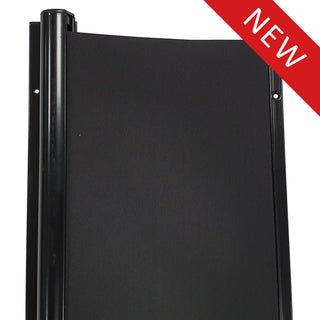
This is an honest opinion rather than a spec sheet fact: for a typical primary school corridor of internal doors, the roller-blind Finger Defender RP range strikes the best balance. It's more expensive than the budget PVC strips, but it survives the daily abuse of a busy school corridor far longer, and a guard that's fallen off within a term isn't protecting anyone. Reserve the premium aluminium options like AluSlide for genuinely high-traffic public building doors where the extra durability actually earns its keep.
Need front and rear coverage on the same door? Browse the rear guard range to complete the pair.
Browse Rear Finger Guards →Does Fitting a Finger Guard Affect Fire Door Certification?
This is the question that catches people out. Finger guards are tested to BS 8613:2017, the British Standard covering finger protection for pedestrian doors, but that standard says nothing about fire performance. If the door in question is a certified fire door, any accessory fitted to it, guards included, needs to be compatible with that door's specific fire certification and fitted according to the manufacturer's instructions. Fitting an uncertified guard to a fire door risks invalidating the door's rating at exactly the point it's tested.
We've covered the fire door side of this separately if you're speccing a fire-rated door assembly at the same time: Astroflame Fire Stop Kits for HMO Fire Doors.
What Does It Actually Cost to Protect a School Corridor of Doors?
Fitting FingerKeeper Commercial and Rearguard as a pair on a typical 900mm door runs to roughly £25 to £45 per door for the guards themselves, before fitting time, which most sites manage in-house with basic tools. For a primary school with 20 doors at genuine risk, toilet doors, classroom doors near play areas, that's a total spend well under £1,000. Set against a five-figure fine plus costs, as the Surrey school trust found, plus the actual harm to a child, this is not a close call financially.
Frequently Asked Questions
Don't Wait for an Incident to Fit These
Astroflame finger trap guards, front and rear, trade priced and in stock for dispatch this week.
Browse Finger Guards →