A tenant moves out, the bedroom carpet is a state, and you already know you want it coming out of the deposit. The problem is not the cleaning. It is proving the mess was theirs, not fair wear and tear, before the deposit scheme decides for you.
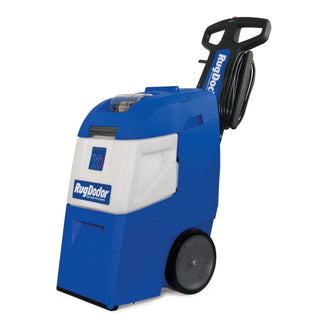
A commercial hot water extraction machine like the Rug Doctor Mighty Pro X3 lifts embedded dirt, grease and pet stains that a domestic vacuum cannot. It will not remove burns, permanent dye marks or worn pile. For a deposit claim you must show the damage exceeds fair wear and tear, backed by dated check-in and check-out photos.
Can you charge a tenant for carpet cleaning?
Sometimes, and the wording matters. Since the Tenant Fees Act 2019 you cannot put a blanket "professional carpet clean on exit" clause in an assured shorthold tenancy and enforce it as a fee. What you can do is claim from the deposit where the carpet is left in a materially worse state than it was at the start, beyond normal use over the length of the tenancy.
That last part is where most claims fall over. Deposit schemes such as the government-backed tenancy deposit protection schemes apply two tests: fair wear and tear, and betterment. Fair wear and tear means you accept a carpet ages with use. Betterment means you cannot bill a tenant to leave a five-year-old carpet looking brand new. A deep clean that returns the carpet to its check-in condition is defensible. A full replacement billed against a worn carpet usually is not.
What a hot water extraction machine actually removes
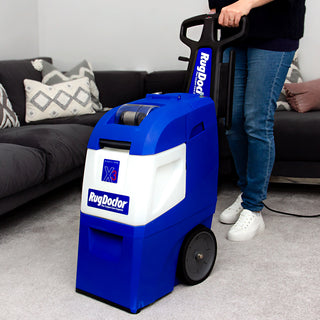
A domestic upright vacuum lifts surface debris. It does nothing for the ground-in grime, cooking grease and body oils that build up in a shared house over a tenancy. That is the gap a commercial extractor fills. The Rug Doctor works in three stages: it injects hot cleaning solution under pressure, agitates the pile with a powered brush, then extracts the dirty water back into a recovery tank.
In an HMO that difference is not just cosmetic. Ground-in soiling holds odour and allergens, and a room that smells stale reads as neglected to the next viewer. Under the Housing Health and Safety Rating System, which councils use to assess HMO conditions, hygiene and cleanliness are part of how a property is judged. Here is the honest split of what the machine will and will not fix.
| Problem | Extraction result | Deposit-claim reality |
|---|---|---|
| Ground-in dirt and grease | Removes well in most cases | Not usually claimable, this is cleaning |
| Pet stains and odour | Lifts with an odour-remover pre-treatment | Claimable if beyond fair wear |
| Food and drink spills | Often lifts, depends how long left | Claimable if it caused a lasting mark |
| Cigarette burns or scorch marks | Will not remove | Claimable damage, may need patch or replace |
| Bleach or dye marks | Will not remove | Claimable damage |
| Worn or flattened pile | Refreshes look, will not restore | Fair wear and tear, not claimable |
Managing more than one property? Buying a machine outright beats repeat hire fees once you are cleaning a handful of rooms a year, and it is ready whenever a tenancy ends rather than when the hire shop has stock.
See Cleaning Machines →Buy or hire: which makes sense for a landlord?
Hiring a machine for a weekend runs you roughly the price of a single professional room clean, and you do the work. That is fine for a one-off. If you run an HMO or a small portfolio, the numbers change fast. The Rug Doctor Mighty Pro X3 is built for repeat commercial use, folds down for storage in a van or cupboard, and comes with a warranty that covers commercial use. Across several turnovers a year it pays for itself and removes your dependence on a hire shop having one available on the day a tenant hands back the keys.
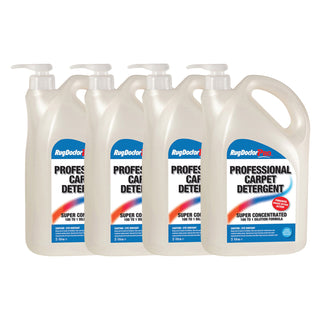
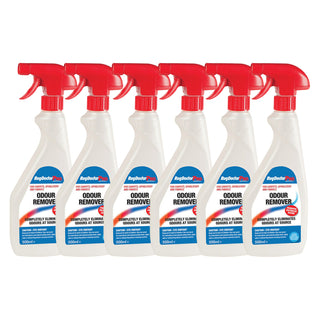
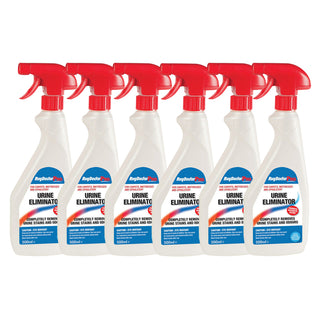
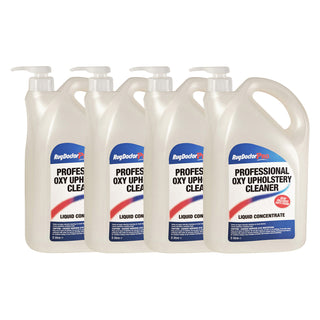
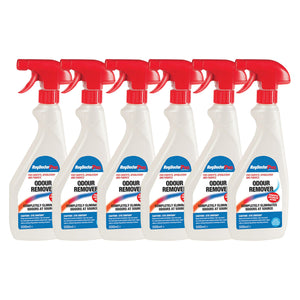
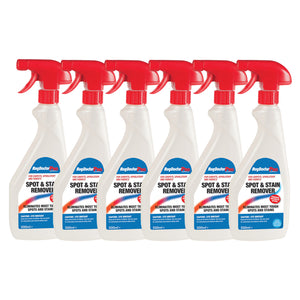
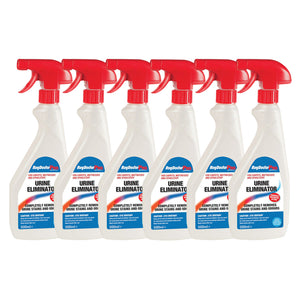
The machine is only half the job. The cleaning solution does the chemical lifting, so match it to the problem. A concentrated carpet detergent handles general soiling, a quick-dry formula cuts the drying time when you have a viewing booked, and a dedicated odour remover deals with the pet and smoke smells that a plain detergent leaves behind. Stocking the chemicals alongside the machine means you are not stopping mid-turnaround to source them.
How to do it so the clean actually holds up
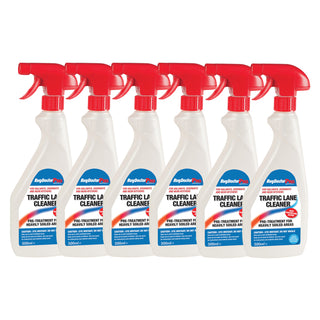
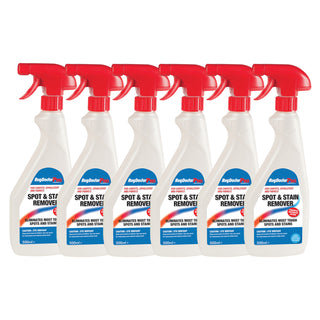
Order matters. Photograph the carpet first, in daylight, with the check-in photos to hand for comparison. Vacuum thoroughly to lift loose grit, because extraction pushes loose dirt around rather than removing it. Pre-treat stains and heavily soiled traffic lanes and give the solution a few minutes to work. Then extract in overlapping passes, going back over the wettest areas with a dry pass to pull more water out. Ventilate the room and, ideally, run the drying overnight before the next viewing.
If you want the wider compliance picture on damp, mould and tenant complaints in shared housing, our guide on Awaab's Law and your HMO covers what actually applies to private landlords right now.
Frequently Asked Questions
Sort Your Void Turnarounds Properly
Commercial-grade Rug Doctor machines and matched cleaning chemicals, trade priced, ready for the next tenancy handover.
Shop Cleaning Chemicals →