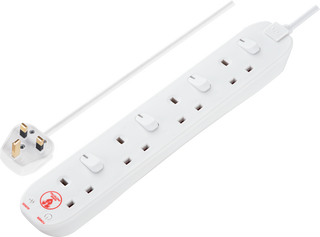
Electricity is something most of us take for granted until something goes wrong. In the UK, our homes are full of sensitive devices like smart TVs, laptops, Wi-Fi routers, and kitchen appliances that rely on a stable electrical supply. But power surges, even the small ones we barely notice, can damage these items over time. That’s where Surge Protection Devices (SPDs) come in.
In 2025, with more homes relying on smart technology and renewable energy connections, surge protection is no longer a luxury. It’s a safety measure every UK household should consider.
What is a Surge Protection Device?
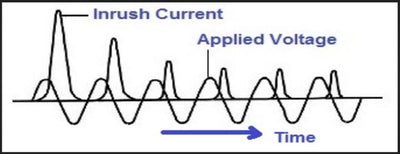
A Surge Protection Device is a small but powerful piece of equipment that protects your electrical system from sudden spikes in voltage. Surges can happen for several reasons—lightning strikes, faults in the grid, switching on and off heavy appliances, or even from solar panel inverters feeding electricity back into the home.
Without protection, these surges travel through your wiring and damage anything that’s plugged in. An SPD works like a shield, diverting the excess voltage safely to the ground and keeping your devices safe.
Why Surges are a Bigger Problem Today
Twenty years ago, many homes had basic appliances like kettles, lights, and TVs. Today, we rely on:
- Smart home hubs
- Wi-Fi routers
- LED lighting
- Laptops and gaming systems
- Solar panels and EV chargers
These are sensitive to voltage changes. A single surge can wipe out a router or damage a computer’s motherboard. Replacing them costs far more than fitting an SPD.
Also, with the UK moving towards renewable energy and more homes installing solar systems, the risk of surges is higher. Electricity flows in both directions, and when equipment switches on or off, it creates small but harmful spikes.
UK Regulations and SPDs
The 18th Edition Wiring Regulations (BS 7671) now highlight the importance of surge protection. In many cases, SPDs are required, especially in new builds or when consumer units are upgraded.
Electricians across the UK recommend installing SPDs as part of modern electrical safety. It’s not just about protecting devices; it also helps prevent fire risks linked to damaged electronics.
Types of Surge Protection Devices
SPDs are usually classified into three main types:
- Type 1: Protects against direct lightning strikes. These are more common in commercial or tall buildings.
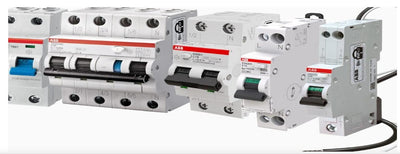
- Type 2: Installed in consumer units to protect your home from indirect surges through the mains supply.
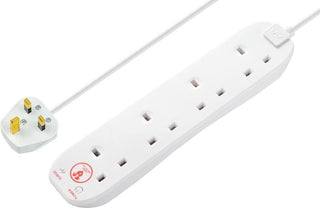
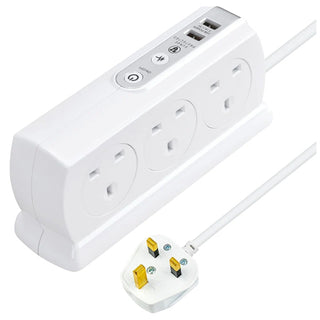
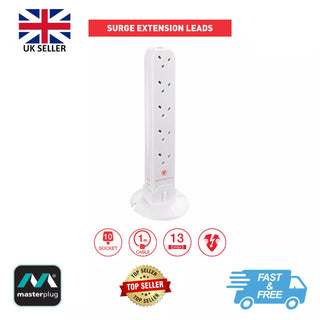
- Type 3: Used at socket level for specific equipment like TVs, computers, or servers.
For most UK homes, Type 2 SPDs in the consumer unit provide broad protection. Adding Type 3 plug-in protectors for expensive gadgets adds an extra layer of safety.
Benefits of Having an SPD in Your Home
- Protects expensive electronics – No one wants to replace a £1,000 TV or laptop because of a surge.
- Prevents data loss – Computers and routers can lose valuable data when damaged.
- Reduces fire risk – Faulty wiring or damaged devices can overheat and cause fires.
- Saves money in the long run – A one-time installation is cheaper than replacing damaged devices.
- Peace of mind – Knowing your home is protected makes a big difference.
How Much Does Surge Protection Cost in the UK?
The cost depends on the type and size of your home. For most UK households, fitting an SPD into the consumer unit costs between £100 and £250 (including installation by a qualified electrician). Considering the value of devices in the average home, this is a small price for protection.
Plug-in surge protectors are cheaper (£20–£40), but they only protect the devices connected to them. A whole-home SPD offers broader coverage.
Do You Need Surge Protection in 2025?
The short answer is yes. With more sensitive electronics, renewable energy systems, and EV chargers entering UK homes, surges are more common than ever. An SPD keeps your appliances safe, saves you money, and helps meet modern safety standards.
If you’re upgrading your consumer unit or renovating your home in 2025, ask your electrician about fitting surge protection. It’s one of the simplest ways to make your home safer and future-ready.
Final Thoughts
Surge Protection Devices may not be the most exciting part of a home, but they’re one of the most valuable. In 2025, every UK household should think of them as standard—just like smoke alarms or RCDs. Protecting your home from surges isn’t just about saving your gadgets; it’s about protecting your peace of mind.