With energy bills rising and climate change in focus, more UK households are looking at ways to cut costs and reduce reliance on the grid. In 2025, solar panels and home battery storage are leading the way in the move toward energy independence.
Why Solar Panels Are Popular in 2025
Even with the UK’s cloudy weather, solar panels generate a significant amount of electricity. They can:
- Reduce your reliance on grid power.
- Lower your electricity bills.
- Cut your carbon footprint.
- Increase the value of your home.
The technology has improved dramatically. Modern panels work efficiently in low light and last 25–30 years.
The Role of Battery Storage
The challenge with solar is that it generates electricity during the day, but many households use more power in the evening. That’s where battery storage systems come in.
A home battery (like the Tesla Powerwall or UK alternatives) stores excess electricity so you can use it later. This means:
- You use more of your own solar power instead of exporting it to the grid.
- You still have electricity during power cuts.
- You can take advantage of off-peak tariffs by charging the battery at night.
Electrical Requirements for UK Homes
Installing solar and batteries involves more than just panels on the roof. Key requirements include:
- Inverter – Converts DC power from panels into AC power for your home.
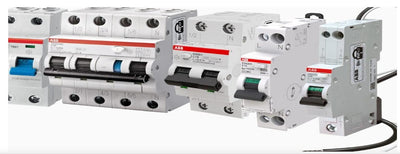
- Consumer unit compatibility – Your fuse box may need an upgrade to handle the new circuits.
- Battery safety standards – UK regulations require lithium batteries to have proper ventilation and fire safety systems.
- DNO approval – Your Distribution Network Operator must approve systems that export power back to the grid.
Costs and Savings in 2025
- Solar panels: Around £5,000–£7,000 for a 4kW system.
- Battery storage: £3,000–£6,000 depending on size.
- Combined system: £8,000–£12,000.
Savings depend on your energy use, but many UK households cut bills by 30–60% with solar and batteries. With electricity prices high, payback periods are getting shorter.
Smart Integration
In 2025, solar and batteries don’t just work alone — they’re part of the smart home energy system.
- EV chargers can draw from your solar power.
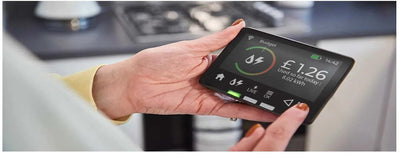
- Smart meters let you sell excess electricity back to the grid.
- Apps show real-time usage and savings.
This integration gives households control over how and when they use energy.
Government Incentives
UK schemes like the Smart Export Guarantee (SEG) pay households for sending unused electricity back to the grid. Some energy providers also offer special tariffs for solar and battery owners.
Final Thoughts
Solar panels and battery storage are no longer niche technologies. In 2025, they’re practical, affordable, and key to cutting bills in the UK.
By investing in solar and storage, you’re not just saving money — you’re preparing your home for the future of energy.