The UK’s electricity system is undergoing one of its biggest transformations ever. As the nation moves toward renewable energy and net zero goals, smart grids are becoming a crucial part of the future. These intelligent systems are designed to make our power network more efficient, flexible, and eco-friendly. But what exactly is a smart grid, and why does it matter for homes and businesses across the UK?
What is a Smart Grid?
A smart grid is an upgraded version of the traditional electricity grid. Unlike old systems that only send power in one direction—from power stations to homes—a smart grid allows two-way communication. This means information about energy use can flow between suppliers and consumers in real time.
Through sensors, smart meters, and digital control systems, smart grids can quickly detect faults, manage supply and demand, and even connect renewable sources like solar and wind energy directly into the network.
Why the UK Needs Smart Grids
The UK is rapidly adopting renewable energy, but sources like solar and wind are unpredictable. Sometimes they produce too much electricity, other times too little. A smart grid helps balance this by automatically adjusting the flow of energy. For instance, when there’s extra wind power, it can store energy in home batteries or electric vehicles instead of wasting it.
With electricity demand rising due to electric vehicles and heat pumps, smart grids ensure the system remains reliable without overloading.
How Smart Grids Help Homes and Businesses
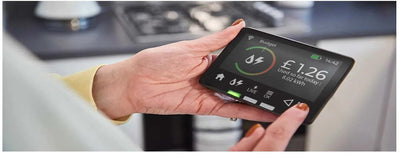
For UK households, smart grids bring better control and lower costs. Through smart meters and apps, homeowners can track energy use and adjust consumption based on real-time prices. During off-peak hours, electricity costs less, allowing you to run washing machines or charge EVs more cheaply.
Businesses also benefit from improved efficiency. Factories can schedule high-energy operations during periods of low demand, reducing bills and avoiding power cuts.
Supporting Renewable Energy Growth
One of the biggest advantages of smart grids is how they integrate with renewable energy. The UK’s goal to achieve net zero by 2050 relies heavily on clean energy sources. Smart grids make it possible to manage thousands of small-scale generators—from home solar panels to community wind farms—by automatically directing power where it’s needed.
This decentralised energy model reduces dependence on fossil fuels and helps the UK move toward a more sustainable energy future.
Challenges Ahead
While the potential is huge, the shift to smart grids also comes with challenges. Upgrading existing infrastructure requires major investment. Cybersecurity is another concern, as digital systems must be protected from hacking. However, the UK government and energy providers are already investing heavily in research, testing, and pilot projects to ensure safety and reliability.
The Future of UK Power
Smart grids are not just a technical upgrade—they represent a complete change in how energy works. They turn electricity from a one-way service into an intelligent, interactive network. As more UK homes install smart meters, solar panels, and EV chargers, the smart grid will connect it all.
In short, smart grids are the foundation of a greener, smarter, and more resilient UK energy system.