Smart Sockets: Are They Worth the Upgrade in UK Homes?

In the modern UK home, smart technology is becoming a part of everyday life. From smart lights to smart thermostats, homeowners are looking for ways to make their homes more convenient and energy-efficient. One such innovation is the smart socket.

But what exactly is a smart socket, and is it really worth upgrading to one? Let’s break it down in simple terms.

What is a Smart Socket?

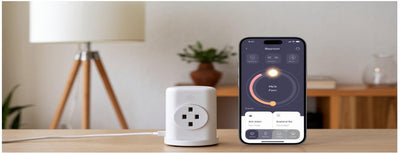
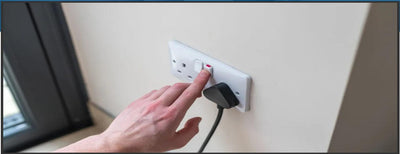
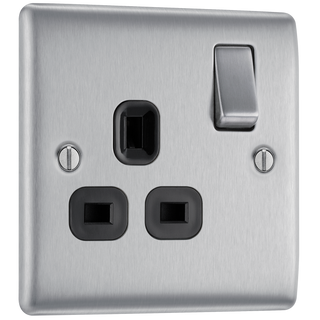
A smart socket, also known as a smart plug, looks similar to a regular socket but offers advanced features. It connects to your home Wi-Fi and can be controlled using a smartphone app, voice assistant (like Alexa or Google Assistant), or a home automation system.

With a smart socket, you can turn appliances on or off remotely, set timers, track energy usage, and create schedules.

Key Benefits of Smart Sockets

1. Remote Control of Devices
Even when you're not at home, you can turn devices on or off using your phone. For example, you can switch off your iron or heater if you forget before leaving.

2. Save Energy and Money
Smart sockets allow you to monitor energy usage. You can spot which appliances use the most power and turn them off when not needed.

3. Set Schedules and Timers
You can program your smart plug to turn lamps on in the evening and off at bedtime, or to turn on your coffee machine every morning at 7 am.

4. Voice Control Compatibility
Smart sockets work with Amazon Alexa or Google Home. You can use voice commands like “Turn off the fan” without touching a switch.

5. Improve Home Security
When you're on holiday, smart sockets can turn lights on and off at different times, making it seem like someone is at home.

Where Can You Use Smart Sockets in the UK Home?

  • Living room: For lamps, TV, or speaker systems
  • Kitchen: Coffee machine, kettle, slow cooker
  • Bedroom: Phone chargers, electric blanket
  • Outdoors: Garden lights (only with weatherproof sockets)

Always make sure the smart socket you buy is compatible with UK plug types and meets local safety standards.

Are Smart Sockets Safe?

Yes, most smart sockets sold in the UK meet strict safety regulations. However, always buy from trusted brands with a BS or CE certification.

Avoid overloading the socket. If you're plugging in high-power devices like a heater, make sure the smart plug is rated for it.

Smart Socket Installation: Is It Easy?

Yes. Most smart sockets are plug-and-play. You just plug it into your wall socket, connect it to your Wi-Fi using the app, and it’s ready to go.

You don't need any professional electrician unless you're going for a hardwired smart wall socket instead of a plug-in type.

Are They Expensive?

Smart sockets are now quite affordable in the UK. You can get a reliable one for around £10 to £25 depending on features. Some packs offer multiple sockets at a discount.

Considering the energy savings and convenience they offer, they often pay for themselves over time.

Should You Upgrade? Final Thoughts

Smart sockets are a small but smart upgrade to any UK home. They offer:

  • Convenience through remote control
  • Energy savings with usage monitoring
  • Improved safety and peace of mind
  • Added home security

For homeowners looking to make their space smarter without big changes, smart sockets are a great first step.
Previous articleA Homeowner’s Guide to Consumer Units (Fuse Boxes) in the UK All articles Next articleLED Downlights vs Traditional Bulbs: What’s Best for UK Homes?

RELATED ARTICLES

BG 3-pole fan isolator switch
Do you need a fan isolator switch? 3-pole isolators explained

Why timer and overrun extractor fans need a 3-pole fan isolator switch, where to fit it, and how to choose one.

BG 45A cooker switch
Which cooker switch do I need? 45A cooker switches explained (UK)

45A vs 32A, single vs double pole, with or without a socket, and where a UK cooker switch should go under BS 7671.

Power Factor in Household Appliances
Power Factor in Household Appliances: Why It Matters in UK Electrical Systems

Most discussions around electrical appliances focus on power consumption in watts, but another important factor often ignored in domestic settings is power factor. While...

Voltage Drop in UK Electrical Circuits
Voltage Drop in UK Electrical Circuits: Impact on Appliances and How to Manage It

Voltage drop is an important factor in electrical installations, especially in UK homes where multiple appliances operate across different circuits. If not properly managed,...

What Are the Types of USB Socket
What Are the Types of USB Socket? A Complete Guide for UK Homes

USB charging has become a standard part of everyday life. From smartphones and tablets to smart devices, most modern electronics rely on USB power....

IP Ratings for Socket Outlets in the UK
IP Ratings for Socket Outlets in the UK: Understanding Protection Levels and Applications

Ingress Protection (IP) ratings are an important consideration when selecting socket outlets for different environments in the UK. Not all sockets are suitable for...

Socket Outlet Polarity in the UK
Socket Outlet Polarity in the UK: Importance, Testing and Fault Risks

Correct polarity is a fundamental requirement in UK electrical installations, especially for socket outlets. Even if a socket appears to function normally, incorrect polarity...

Socket Outlet Back Boxes in the UK
Socket Outlet Back Boxes in the UK: Types, Depth Requirements and Installation Standards

Quick answer: The back box depth you need depends on the accessory: 25mm suits most flush light switches and single sockets, 35mm gives extra...

Floor Socket Outlets in the UK
Floor Socket Outlets in the UK: Applications, Installation and Safety Considerations

Floor socket outlets are a specialised type of electrical outlet installed directly into the floor rather than on walls. They are increasingly used in...

Smart Electrical Outlets in UK Homes
Smart Electrical Outlets in UK Homes: Technology, Energy Control and Installation Considerations

Smart electrical outlets are becoming a popular addition to modern UK homes. These outlets allow users to control connected appliances remotely using smartphones, voice...

USB Electrical Outlets in UK Homes
USB Electrical Outlets in UK Homes: Design, Load Considerations and Installation

As modern homes rely more on mobile devices, USB socket outlets have become increasingly popular in the UK. These outlets combine traditional plug sockets...

Residual Current Devices in UK Appliances Circuits
Residual Current Devices (RCDs) in UK Appliances Circuits: Why They Are Essential for Electrical Safety

Electrical safety is a major concern in modern UK homes and workplaces. With the increasing use of electric appliances such as washing machines, kettles,...

Portable Appliance Testing (PAT) in the UK
Portable Appliance Testing (PAT) in the UK: Technical Procedure and Compliance Requirements

Portable Appliance Testing (PAT) is a critical safety process for electrical appliances used in workplaces, rental properties, schools and construction sites across the UK....

Inrush Current in UK Electric Appliances and Power Tools
Inrush Current in UK Electric Appliances and Power Tools: Circuit Design and Protection Essentials

Inrush current is an important but often overlooked factor in UK electrical installations. Many electric appliances and professional power tools draw a short but...

Earthing System Types in the UK
Earthing System Types in the UK: TN-S, TN-C-S and TT System Design Considerations

Understanding earthing arrangements is critical for safe and compliant installations. In the UK, the primary earthing systems are TN-S, TN-C-S (PME), and TT systems....

Smart Meters in UK Homes
Smart Meters in UK Homes: How They Help You Monitor Electricity Usage

Smart meters have become increasingly common across the UK. Many energy suppliers now install them as standard, helping households better understand how much electricity...

Shop products from this guide