If you live in the UK, your home has a consumer unit – also called a fuse box. It’s the heart of your electrical system. This box controls and distributes electricity around your home. Knowing how it works can help you stay safe and avoid problems.
What is a Consumer Unit?
A consumer unit is a white or grey box, usually found near the front door, under the stairs, or in a utility area. It contains safety switches, circuit breakers, and fuses. Its main job is to safely control the flow of electricity to all parts of your home.
It also protects you and your appliances from dangers such as electric shocks, overloads, and fire risks caused by faulty wiring. Every circuit in your home—lighting, sockets, kitchen, etc.—is connected to the consumer unit.
Key Components of a Consumer Unit
- Main Switch: This lets you turn off all electricity in your home.
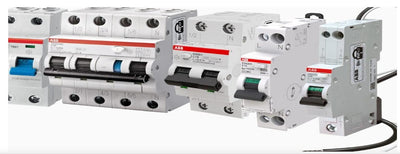
- RCD (Residual Current Device): Protects you from electric shocks by cutting off power when it detects a leak.
- MCBs (Miniature Circuit Breakers): These protect individual circuits from overloading.
Why is it Important?
- Safety: A good consumer unit reduces the risk of fires and electric shocks.
- Control: You can isolate power to one area if needed, making maintenance easier.
- Modern appliances: New devices need stable and well-protected power supply. Older consumer units might not keep up.
Signs You May Need an Upgrade
- Flickering lights or frequent tripping
- No RCDs in your current unit
- Old rewirable fuses
- A consumer unit older than 20 years
Modern consumer units have better materials, fire-resistant casings, and extra protection features. They are also easier for electricians to test and repair.
Cost and Installation
Upgrading your consumer unit usually costs between £300 and £600 in the UK. It must be done by a certified electrician. After installation, you should receive an Electrical Installation Certificate (EIC) to confirm safety and compliance.
Legal Requirements
Under Part P of the Building Regulations, major electrical work, including changing a consumer unit, must be reported to local building control or done by a registered electrician.
Final Tip:
Check your consumer unit today. If it looks old, messy, or confusing—or if you don’t have RCD protection—get it checked by a qualified electrician. A safe home starts with a reliable consumer unit.