Everything You Need to Know About Safe and Efficient AC Installation
When planning to install an air conditioning (AC) system in your home or office, one of the most important—yet often overlooked—parts of the setup is electrical wiring. Especially in the UK, where strict safety regulations apply, proper wiring for AC systems is not just a technical necessity—it’s a legal requirement.
In this blog, we’ll explain in simple terms why AC wiring is essential, how it impacts the performance and safety of your system, and what you need to know to ensure a successful installation.
1. Wiring Provides Essential Power to Your AC System
An air conditioning unit requires a constant and reliable power supply to run. Electrical wiring connects your AC system to your property’s power source. Without wiring, your AC won’t turn on. But beyond just powering the system, the wiring needs to match the unit's power demand.
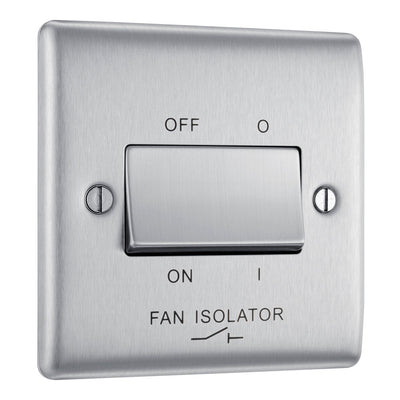
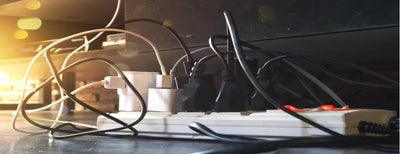
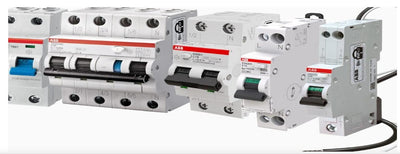
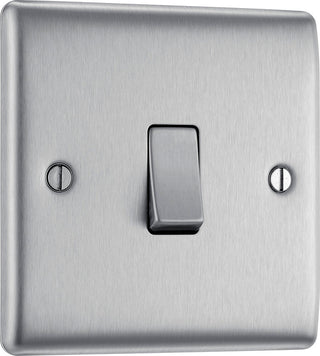
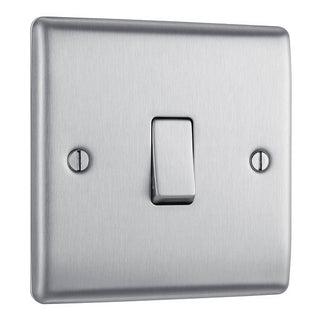
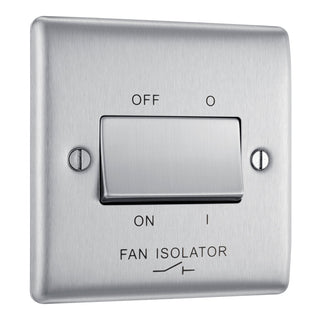
In the UK, domestic and commercial AC systems often require dedicated circuits to prevent overloading. If the wiring is too weak or incorrectly installed, it can cause the system to malfunction, overheat, or trip the circuit breaker. A dedicated circuit is normally terminated at a fan isolator switch or a switched fused connection unit (fused spur) so the unit can be safely isolated for servicing.
2. Safety is a Top Priority in UK Homes and Buildings
Faulty or outdated wiring is one of the leading causes of electrical fires and shocks. In the UK, Part P of the Building Regulations ensures that all electrical work, including AC installation, meets strict safety standards.
When your AC is wired correctly by a qualified electrician, the risk of hazards like short circuits, overheating, or power surges is significantly reduced. Safe wiring protects your home, your family, and your investment in the air conditioning unit.
3. Wiring Connects Key Components of the AC System
Modern AC units consist of multiple parts: an indoor unit, an outdoor condenser, and a thermostat or control panel. All these components need to communicate with each other to maintain your desired temperature.
Wiring is what makes this communication possible. For example, when you set your thermostat to 21°C, that signal travels through wires to tell the compressor when to start and stop. Without proper wiring, this system would fail to function smoothly.
4. Efficient Performance Starts with Proper Wiring
Good-quality, well-installed wiring allows your AC unit to perform at its best. It ensures the system starts smoothly, runs efficiently, and delivers consistent cooling or heating when needed. Poor wiring, on the other hand, can cause:
- Voltage drops
- Intermittent power supply
- Increased wear and tear
- Higher electricity bills
Correct wiring ensures energy-efficient AC operation, which is especially important in the UK where energy costs are rising. It can also help extend the lifespan of your AC unit and reduce maintenance costs.
5. It’s the Law: Wiring Must Comply with UK Electrical Standards
In the UK, any electrical installation must follow the IET Wiring Regulations (BS 7671). This includes AC systems, especially those with outdoor units or systems that draw a significant amount of power.
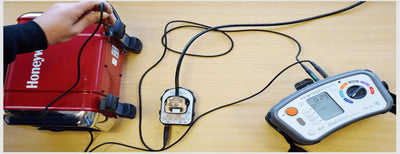
Only a registered electrician can carry out this work legally. If you’re having an AC system installed in your home, you’ll need someone qualified under a Competent Person Scheme (like NICEIC or NAPIT) to ensure that your wiring is safe and compliant.
Failing to follow the proper regulations can not only be dangerous—it can also void your home insurance or cause issues when selling your property.
Final Thoughts: Don’t Overlook the Wiring When Installing AC
Installing air conditioning in the UK is a smart investment for year-round comfort—but it comes with responsibilities. Proper electrical wiring is the foundation of a safe, efficient, and reliable AC system.
So, before installation, always:
- Hire a certified electrician
- Ensure compliance with UK regulations
- Use high-quality wiring and materials
- Plan for the correct power requirements of your AC unit
When done right, proper AC wiring ensures comfort, energy savings, and most importantly—peace of mind.
Wiring an AC or heat-pump circuit? We stock the BS 7671-friendly parts electricians use:
- Fan & AC isolator switches
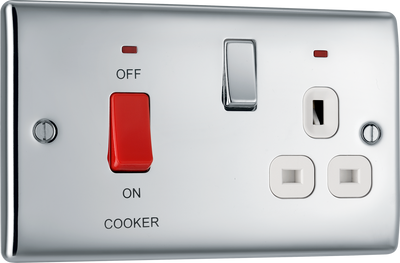
- High-amp DP switches & cooker control units
- BG Grid modules for custom control plates
Planning the whole installation? Read our switches buying guide or open a trade account for trade pricing.
Need help with AC installation in the UK?
Make sure you consult with a licensed professional to check your property’s electrical readiness. Whether it's a small unit for your home or a full system for a commercial space, correct wiring is the key to long-term performance and safety.
Shop the range at Kent Traders
Wiring up appliances and AC circuits? We stock the switches, spurs and sockets you need. Browse our UK trade range:
- Cooker switches & control units (45A)
- Fan isolator switches (3-pole)
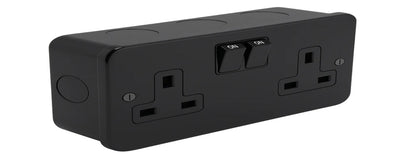
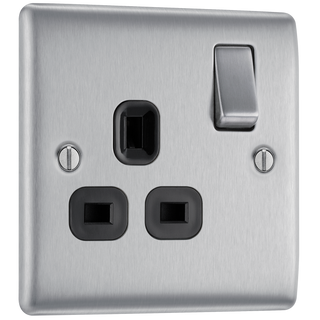
- Sockets & USB sockets
- Light switches