Portable Appliance Testing (PAT) is a routine inspection of electrical appliances to ensure they are safe to use. While not a legal requirement for all situations, it plays a vital role in maintaining electrical safety in homes, rental properties, and workplaces across the UK.
What is PAT Testing?
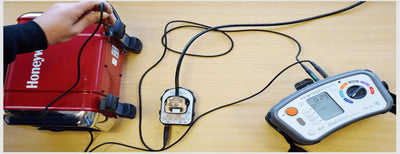
PAT testing involves both visual inspections and electrical tests of appliances to check for faults. It is usually carried out using a PAT tester device and is conducted by a competent person, often an electrician.
Why is PAT Testing Important for Landlords and Businesses?
1. Ensures Safety
Faulty appliances can cause electric shocks, fires, or other hazards. Regular testing reduces these risks, protecting tenants, employees, and customers.
2. Legal Compliance
While the law doesn’t specifically demand PAT testing, the Electricity at Work Regulations 1989 require that all electrical equipment is maintained in a safe condition. PAT testing is one way to prove compliance.
3. Protects Your Reputation
For landlords, ensuring appliance safety shows care for tenant wellbeing. For businesses, it builds trust with customers and demonstrates a commitment to health and safety.
4. Reduces Liability
If an accident occurs due to a faulty appliance, having PAT testing records can help demonstrate that reasonable safety measures were taken.
How Often Should PAT Testing Be Done?
- Offices, shops, hotels – Every 1–2 years for most appliances.
- Construction sites – More frequent testing (every 3 months) due to harsher conditions.
- Rental properties – Typically recommended at the start of a tenancy and at regular intervals thereafter.
What Items Need PAT Testing?
Any electrical appliance with a plug should be considered for testing, including:
- Kettles and toasters
- Microwaves
- Portable heaters
- Extension leads
- Power tools
PAT Testing in Practice
A qualified tester will:
- Visually inspect the appliance for damage.
- Test insulation resistance, earth continuity, and polarity.
- Label the item as Pass or Fail and provide a test record.
Conclusion
PAT testing may not be a legal must for every UK landlord or business, but it is one of the most effective ways to ensure electrical safety. It’s a small investment that can prevent costly accidents, protect lives, and keep you on the right side of the law.